


You bought the same beans. You used the same ratio. You even copied the barista's pour technique off a video. And yet, the iced coffee you made at home still tastes flat, slightly bitter, or just... off compared to the one you had at the café last week.
The bean isn't the problem. The water is.
Coffee Is Mostly Water
It sounds obvious once you say it out loud, but a cup of coffee is roughly 98% water. That means whatever is in your water - minerals, chlorine, dissolved solids - makes up nearly all of what you're actually tasting. The coffee grounds contribute flavor compounds, but water is the medium that carries, dissolves, and delivers them to your tongue.
This matters even more for cold brew and iced coffee than it does for a hot cup. Heat helps extract flavor efficiently, masking some water imperfections along the way. Cold water is a much slower, gentler solvent. It has more time to reveal exactly what's in it, good or bad, because the extraction process is stretched over hours instead of minutes.
Why Cafés Taste Different (It's Not Just the Machine)
Specialty cafés obsess over water for a reason most customers never see. Many use dedicated water filtration systems calibrated to hit a specific mineral profile, because coffee professionals have known for years that water chemistry changes flavor as much as roast or grind size does.
The two minerals that matter most:
- Calcium and magnesium (hardness) - a small amount helps pull flavor compounds out of the grounds during extraction. Too little and the coffee tastes thin or sour. Too much and it turns chalky or bitter.
- Chlorine and chloramine - added by municipal water systems for disinfection, these compounds have almost no smell in hot tea or coffee where heat disperses them, but in cold brew, where grounds sit in water for 12 to 24 hours, chlorine has ample time to react with coffee compounds and create a flat, slightly plasticky off-taste.
Tap water composition also shifts seasonally. In summer, treatment plants often increase chlorine dosing to counter bacterial growth in warmer reservoir water, which is part of why some people notice their tap water tasting more "swimming pool" in August than in January. That shift carries directly into anything steeped cold.
Why This Hits Cold Brew Hardest
Hot coffee extraction takes minutes. Cold brew extraction takes hours. Every imperfection in your water - chlorine, sediment, mineral imbalance - gets far more contact time with your grounds in a cold brew jug than it ever would in a quick pour-over.
This is why the same beans, ground the same way, can produce a bright, balanced cold brew in one kitchen and a muddy, bitter one in another. The variable was never the bean. It was what was already in the water before the coffee touched it.
What Actually Fixes It
You don't need café-grade equipment to fix this at home. You need consistent water:
- Start with filtered water, not straight tap. Removing chlorine and chloramine before brewing eliminates the single biggest cause of flat or plasticky cold brew flavor.
- Aim for balanced mineral content, not zero minerals. Completely mineral-free water (like straight distilled) can actually under-extract and taste dull. The goal is clean water with a moderate, consistent mineral profile - not the absence of minerals altogether.
- Use the same water every time. Inconsistent tap water (which changes with the seasons, local infrastructure work, or reservoir levels) means inconsistent coffee, even with identical technique.
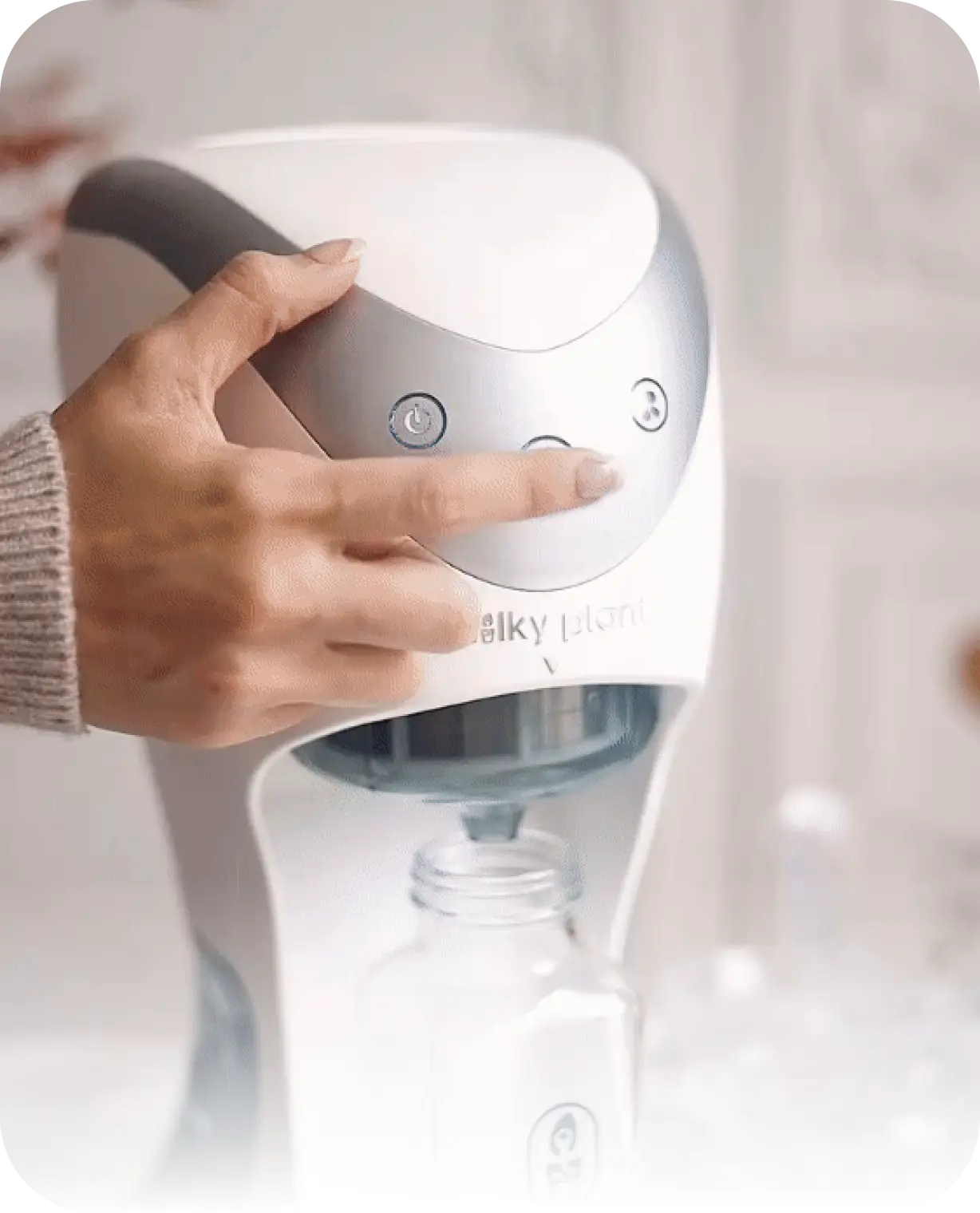
This is exactly the gap that a countertop reverse osmosis system like The Watery is built to close - pulling out chlorine, sediment, and unpredictable seasonal variation, so the water going into your cold brew jug is consistent every single time you make it. Consistent water is what lets consistent technique actually produce consistent results.
If your homemade iced coffee has never quite matched your favorite café's, it's worth testing the water before you blame the beans, the grinder, or your technique. Cold extraction gives water more time to show up in the final cup than almost any other brewing method - for better or worse. Get the water right, and everything else you've already been doing correctly finally gets to show.