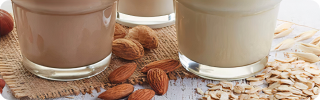


Why today is the day to rethink your kitchen
Today, 16 October, is World Food Day, and this year's theme from the UN Food and Agriculture Organization is "Innovate today. Nourish tomorrow." It's a call to rethink how food is produced, shared and used, so that good food reaches more people and less of it ends up in the bin.
That conversation can feel huge and far away. But a lot of food waste happens much closer to home. In the UK, households threw away 6.4 million tonnes of food and drink in 2021, and 4.7 million tonnes of that could have been eaten. For a family of four, that's roughly £1,000 a year of food bought and never enjoyed.
The good news: you don't need a kitchen overhaul to make a difference. A few small swaps, starting with the two things most of us drink every single day, can cut waste, save money and make your kitchen feel a little more intentional.
The hidden waste in your daily drinks
When we think about food waste, we picture limp salad and forgotten leftovers. But the drinks we reach for every day carry their own waste, mostly in packaging.
Bottled water. Around 7.7 billion plastic water bottles are thrown away in the UK every year, and roughly three-quarters of plastic bottles aren't recycled. Every one of those bottles was made, filled, shipped and chilled, only to be used once.
Plant milk cartons. A litre of oat or almond milk usually comes in a multi-layer carton made from paperboard, plastic and aluminium. Those layers are tightly bonded, which makes cartons harder to recycle than a simple bottle or tin. Drink a carton or two a week and that's 50 to 100 cartons a year from one household.
Half-used cartons. Once opened, most plant milks need finishing within a few days. Anything that sits too long goes down the sink, along with the water, crops and energy that went into making it.
5 kitchen swaps that cut waste
- Make plant milk fresh, only as much as you need. Instead of opening a carton and racing the clock, make a fresh batch when you want it. No carton to bin, no half-full container going sour at the back of the fridge, and no gums, oils or preservatives you didn't ask for.
- Turn the pulp into food, not rubbish. Homemade plant milk leaves behind nut, oat or seed pulp. It's packed with fibre and flavour and works beautifully in cookies, crackers, granola and energy bites. Anything you can't use goes in the compost.
- Swap bottled water for filtered tap water. A good filter at home removes the taste and odour that send many of us to the supermarket shelf. Fill a reusable bottle in the morning and that's one fewer single-use bottle every day.
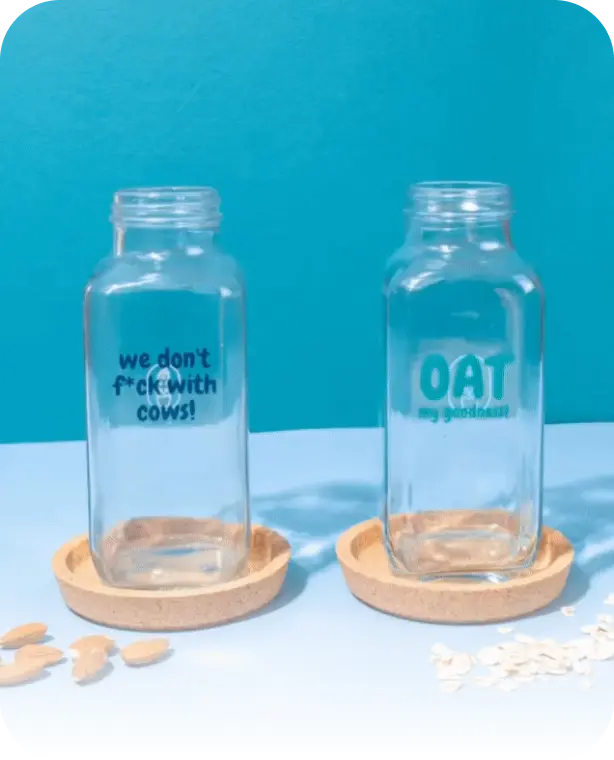
- Store what you make in reusable glass. Keep fresh plant milk and filtered water in glass bottles in the fridge. You'll see exactly how much you have, so nothing gets forgotten.
- Plan small, cook flexibly. Buy oats, nuts and seeds in larger bags (they keep for months in a cool cupboard) and make milk in small batches. Dry goods rarely go to waste; fresh cartons often do.
Two machines that make these swaps effortless
This year's World Food Day theme is about innovation, and the best innovations at home are the ones that make the better choice the easier choice. That's exactly why we built our two kitchen staples.
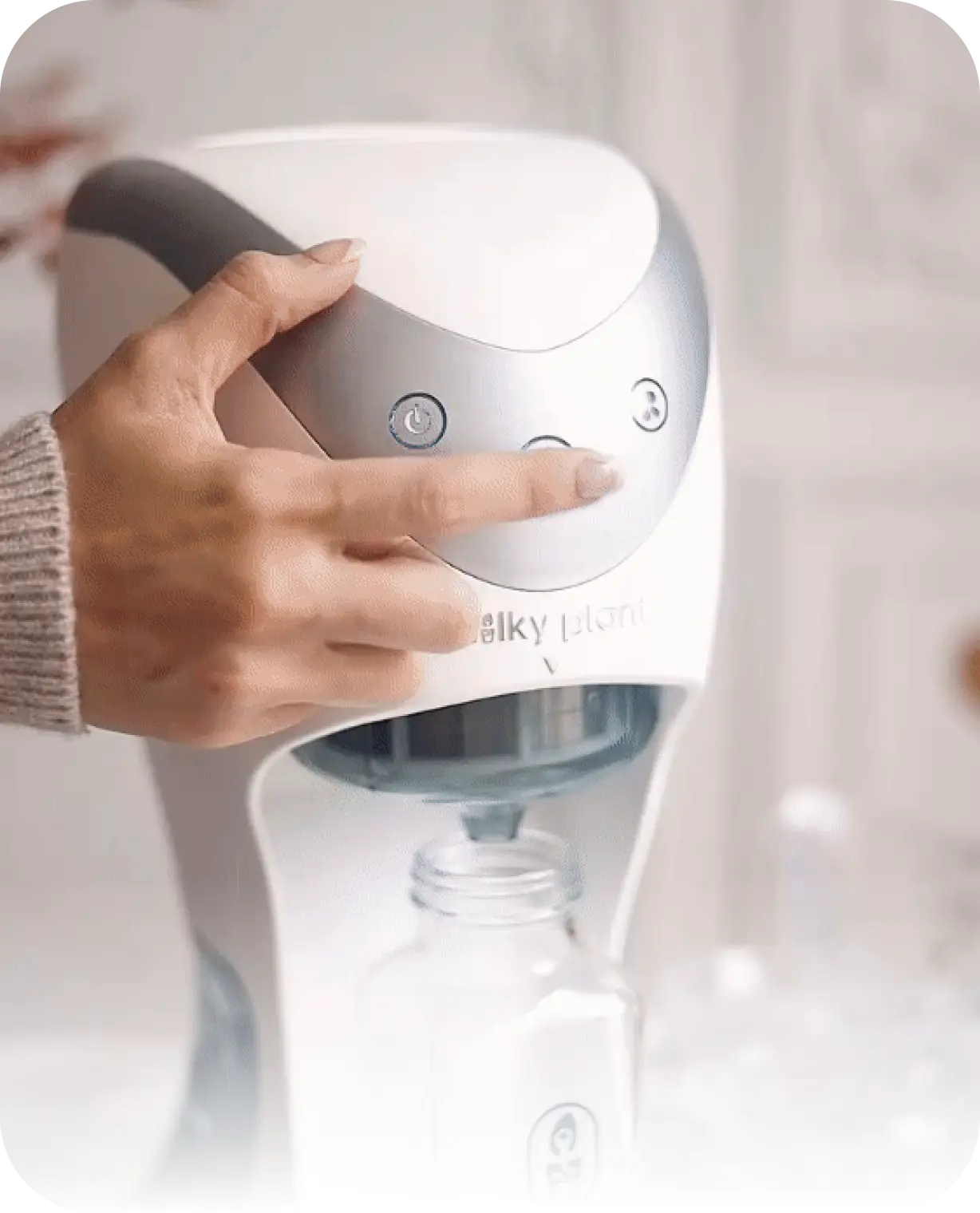
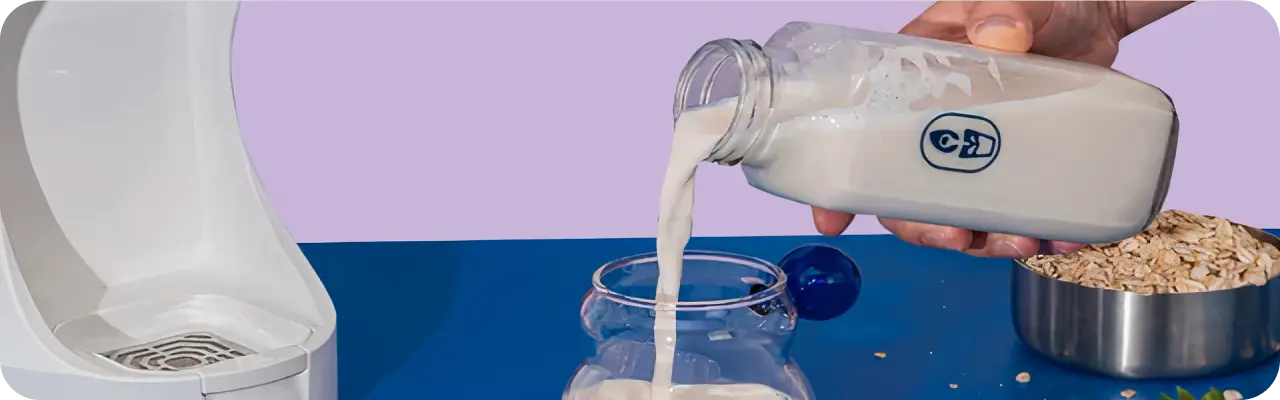
Milky Plant Plus turns oats, nuts, seeds or grains into fresh plant milk in under three minutes, at the push of a button. No soaking, no nut bags, no cartons. Our patent-pending system strains the milk for you and collects the leftover pulp in a neat compartment at the front of the machine, ready to bake with or compost. It cleans itself afterwards, and you can make just half a litre at a time, so nothing goes off in the fridge.
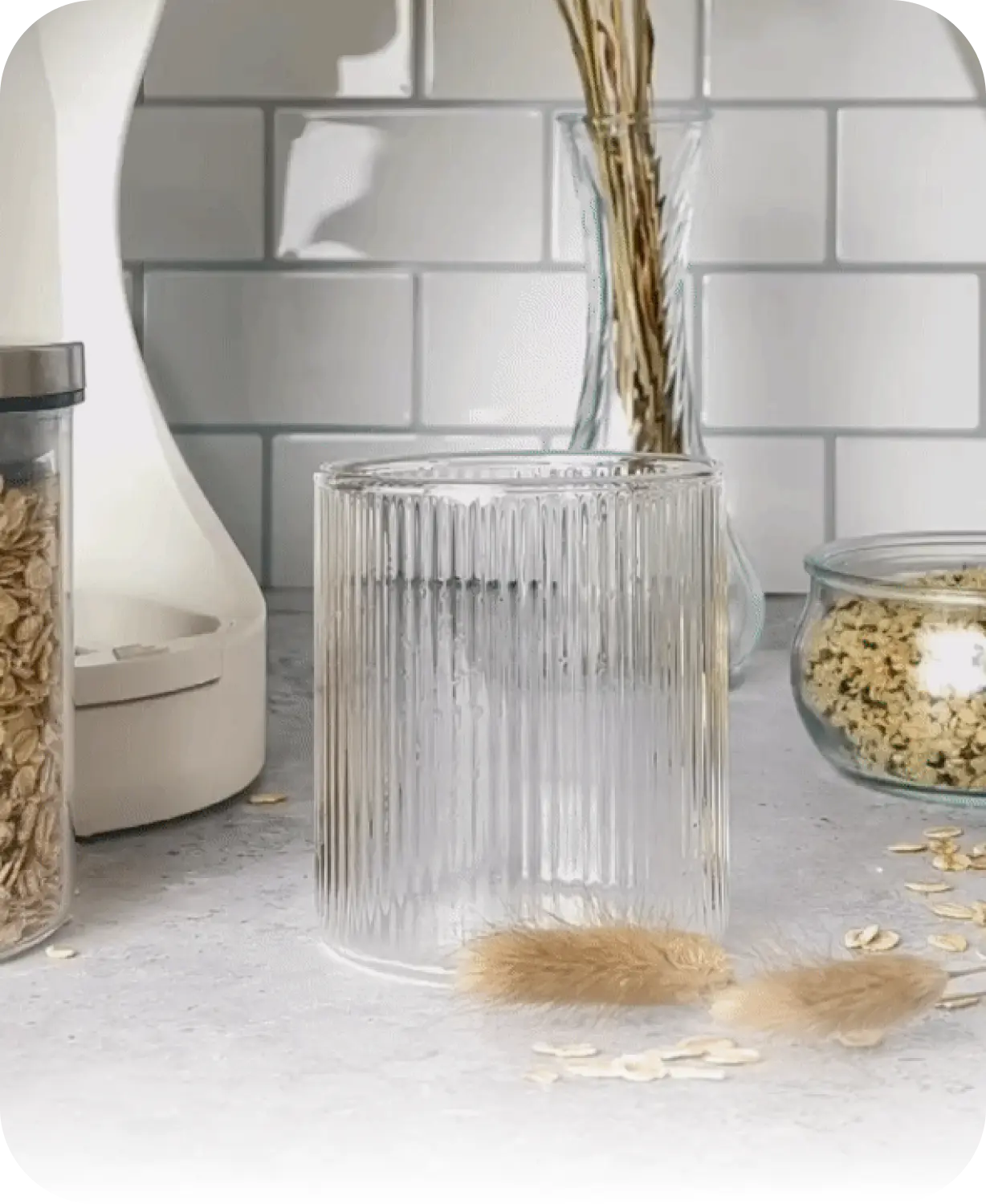
The Watery is our countertop water purifier. It uses four-stage reverse osmosis to filter your tap water, then remineralises it so it tastes fresh and balanced rather than flat. Fill a glass or a reusable bottle straight from your counter and leave the plastic multipacks on the supermarket shelf.
Use them together and the swaps above take care of themselves: filtered water from The Watery makes cleaner-tasting plant milk in Milky Plant Plus, and both end up in reusable bottles, not the recycling bin.
We also give back beyond the kitchen. Milky Plant is a member of 1% for the Planet and plants five trees for every machine sold.
Zero-waste recipe: oat pulp energy bites
The easiest way to start using your pulp. No baking, ready in 15 minutes, makes about 12 bites.
Ingredients
- 1 cup fresh oat or almond pulp (from one batch of milk)
- 1/2 cup rolled oats
- 3 tbsp nut butter (peanut, almond or cashew)
- 2 to 3 tbsp maple syrup or 4 soft Medjool dates, chopped
- 2 tbsp cocoa powder or 1 tsp cinnamon
- 2 tbsp dark chocolate chips or chopped nuts (optional)
- A pinch of salt
Method
- Squeeze any extra liquid from the pulp with clean hands.
- Mix everything in a bowl until it holds together when pressed. Too wet? Add more oats. Too dry? Add a splash of your fresh plant milk.
- Roll into 12 small balls and chill for at least 30 minutes
- Keep in an airtight container in the fridge for up to 4 days, or freeze for up to a month.
Tip: fresh pulp is best used within a day or two. If you can't use it straight away, freeze it in small portions for your next bake.
Small swaps, real impact
World Food Day asks us to innovate today so everyone is nourished tomorrow. For most of us, that starts at the kitchen counter: making what we need, using what we make and skipping the packaging we don't need at all.
Start with one swap this week. Make your next batch of plant milk fresh, bake something with the pulp, or fill a reusable bottle from filtered tap water instead of buying one. Your bin, your wallet and the planet will all notice.
Ready to make the switch? Discover Milky Plant Plus and The Watery →