


In summer, you reach for water without thinking. Then October arrives, the heating clicks on, and your glass sits half-full on the desk all day.
You're not imagining it. Most of us drink noticeably less water once the weather turns, and it isn't just because we feel less sweaty. Your body's thirst signal genuinely gets quieter in the cold, right when indoor air, extra coffee and long days indoors start pulling more water out of you.
Here's what's going on, and how to make drinking water feel easy again this season.
Why you feel less thirsty when it gets cold
Cold weather switches down your thirst. Research led by physiologist Robert Kenefick at the University of New Hampshire, published in Medicine & Science in Sports & Exercise, found thirst sensation can drop by up to 40% in the cold (source).
The reason is vasoconstriction. When you're cold, blood vessels near the skin narrow to hold on to heat, which pushes more blood towards your core (source). Your brain reads that extra central blood volume as a sign you're well hydrated, so it releases less of the hormone that drives thirst and tells your kidneys to save water.
The result: you feel fine, you drink less, and you may even visit the bathroom more. As Kenefick's team put it, there's little physiological stimulus to drink in the cold, so it's easy to slip behind without noticing.
The hidden autumn habits drying you out
A quieter thirst is only half the story. Autumn also brings habits that quietly increase how much water you lose.
- Central heating. Warm indoor air is dry air. You lose moisture through your skin and with every breath, often without feeling sweaty at all.
- Cold, dry air outside. Cold air holds little moisture, so your body warms and humidifies each breath before you exhale it (source). That water is gone.
- More coffee and tea, less water. Hot drinks become the default. They count towards your fluids, but it's easy to let them replace plain water entirely.
- Cosy comfort food. Heavier, saltier autumn meals and fewer fresh, water-rich fruits mean less water coming in through food.
- Ice-cold water feels unappealing. When it's grey and chilly, a glass of cold tap water is the last thing you want.
Signs you're not drinking enough
Because thirst is unreliable in cold weather, look for other clues:
- Dark yellow urine
- Afternoon tiredness or brain fog
- Headaches that creep in during the day
- Dry lips, dry skin or a scratchy throat
- Feeling peckish when you've already eaten
None of these is a diagnosis on its own, but if several sound familiar, your water intake is a good first thing to look at.
Water you actually want to drink
The simplest hydration trick is also the most overlooked: you drink more of water you enjoy. If your tap water tastes of chlorine, feels flat or leaves a chalky film in the kettle, you'll keep reaching for something else.
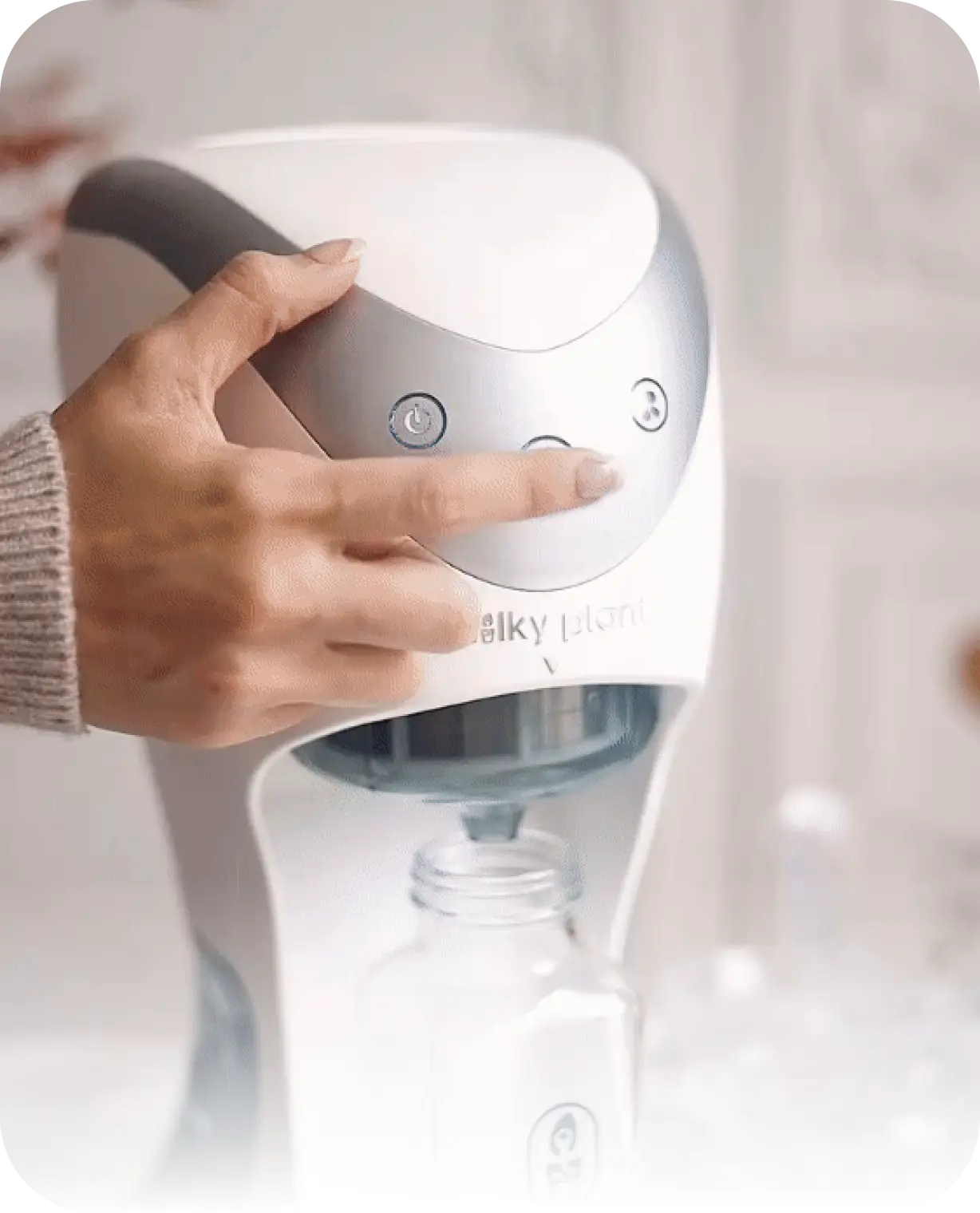
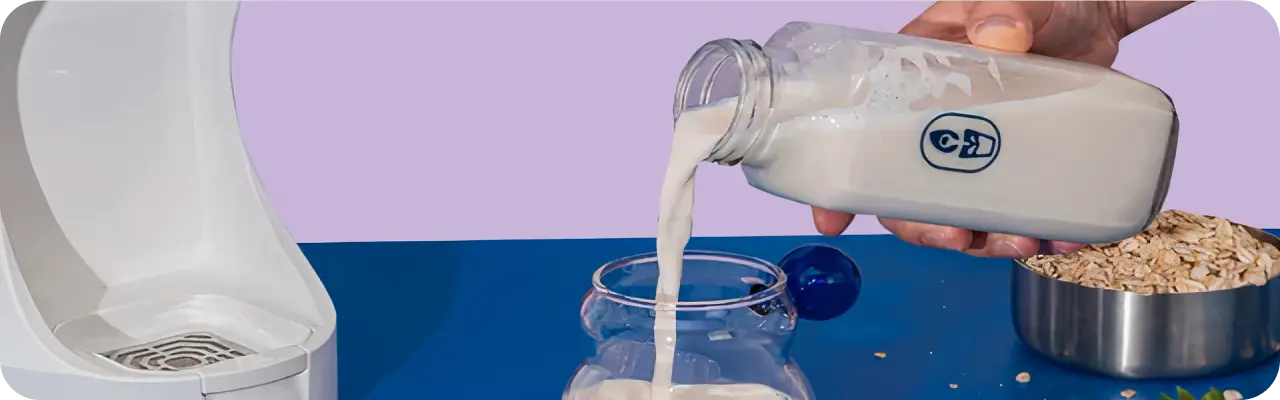
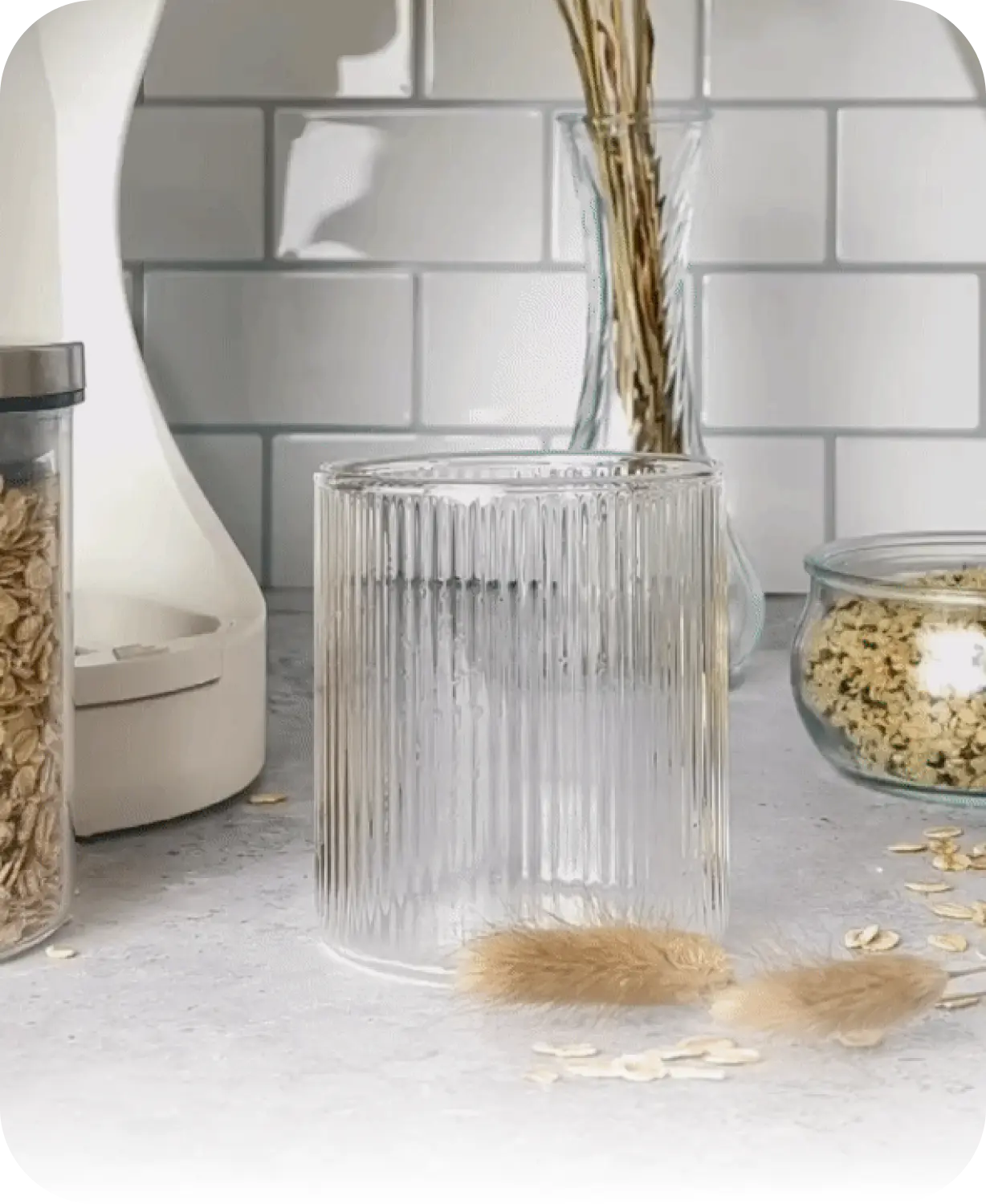
That's where The Watery comes in. It's a countertop purifier that uses 4-stage reverse osmosis filtration, then remineralises the water so it tastes fresh and balanced rather than flat (source). No plumbing, no fuss: fill it, and clean water is ready whenever you are.
It also makes better warm drinks. Filtered water gives cleaner-tasting herbal teas and hot lemon water, and less limescale build-up in your kettle. And if you make plant milk with Milky Plant, better water means better-tasting milk too.
6 easy ways to stay hydrated this autumn
- Go warm. Swap icy glasses for warm water with lemon, ginger or fresh mint. It's comforting and still counts.
- Drink on a schedule, not on thirst. A glass when you wake up, one with each meal and one mid-afternoon covers a lot of ground.
- Pair water with coffee. Every time you make a coffee or tea, pour a glass of water alongside it.
- Keep it in sight. A full bottle on your desk or by the sofa gets drunk; one in the kitchen doesn't.
- Eat your water. Soups, stews, oranges, pears and clementines all add fluid to your day.
- Make your water taste good. Filtered water is easier to keep sipping, hot or cold.
Autumn doesn't make you need less water. It just makes you notice your thirst less, while heating, dry air and coffee-heavy days quietly add to what you lose. A few small habits, and water that genuinely tastes good, make all the difference.
Discover The Watery and make every glass one you'll want to finish.