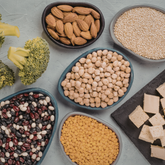









Veganuary often focuses on what we eat, more plants, more fiber, fewer animal products. Yet one essential nutrient is consistently overlooked during plant-based transitions: water. From digestion to nutrient absorption and gut microbiome balance, hydration plays a foundational role in how the body adapts to a high-fiber diet.
Scientific research increasingly shows that without adequate, high-quality water intake, the benefits of Veganuary can be limited, and digestive discomfort may increase.
Water: A Functional Nutrient, Not Just a Beverage
Water is involved in every stage of digestion:
- Saliva production and enzymatic breakdown
- Formation of chyme in the stomach
- Transport of nutrients across the intestinal lining
- Stool formation and bowel regularity
When fiber intake increases rapidly, as it does during Veganuary, water requirements rise as well. Dietary fiber absorbs water and expands, supporting intestinal movement. Without sufficient hydration, fiber can have the opposite effect, contributing to bloating, constipation, and discomfort.
Clinical data shows that low water intake combined with high fiber consumption is one of the most common causes of digestive distress in plant-based beginners.
Hydration and Fiber Fermentation in the Gut
Fermentable fibers reach the colon intact, where gut bacteria metabolize them into short-chain fatty acids (SCFAs). This process depends on proper hydration of intestinal contents.
Water supports:
- Optimal fermentation speed
- Balanced gas production
- Efficient SCFA absorption
- Maintenance of the intestinal mucus layer
Studies indicate that dehydration can impair microbial fermentation, alter gut motility, and reduce microbial diversity, undermining many of the gut health benefits associated with plant-based diets.
Water Quality Matters More Than Most People Realize
Beyond quantity, water quality plays a critical but under-discussed role in gut health.
Tap water may contain:
- Chlorine and chloramines
- Heavy metal residues
- Microplastics and pharmaceutical traces
Research suggests that chronic exposure to certain water contaminants may negatively influence gut microbiota composition and intestinal barrier function, particularly in individuals consuming high-fiber diets that rely on microbial fermentation.
This makes clean, filtered water especially important during Veganuary.
Why Filtered Water Supports Plant-Based Digestion
Using filtered water for drinking, cooking, and plant milk preparation may:
- Reduce gut-irritating compounds
- Improve taste, encouraging higher water intake
- Support microbial balance and fermentation efficiency
Watery helps deliver cleaner, better-tasting water by reducing unwanted contaminants, making hydration easier and more consistent, a key factor in digestive comfort and nutrient absorption during Veganuary.
Hydration, Nutrient Absorption & Plant Foods
Many plant-based nutrients are water-dependent:
- Soluble fiber requires water to function effectively
- Magnesium and potassium rely on fluid balance for absorption
- Polyphenols interact with gut bacteria in aqueous environments
Insufficient hydration can reduce the bioavailability of these nutrients, even when dietary intake is high.
Scientific Takeaway
Veganuary is not just a dietary shift, it’s a physiological adaptation. Increasing plant foods without increasing water intake places unnecessary stress on digestion.
Scientific evidence consistently shows that:
- Fiber works best when paired with adequate hydration
- Gut fermentation is water-dependent
- Clean water supports microbiome balance and intestinal integrity
Water should be considered a core nutrient, not an afterthought, in any plant-based diet.
Supporting Veganuary the Smart Way
To support digestion and long-term gut health during Veganuary:
- Increase water intake alongside fiber
- Prioritize filtered water quality
- Use clean water for plant milk, soups, and grains
- Listen to digestive feedback during adaptation
By combining plant-forward nutrition with clean hydration, Veganuary becomes not only more sustainable, but more effective for gut health, energy, and overall wellbeing.