





As plant-based diets gain popularity, so do plant-based milks from almond and oat to soy and hemp. But along with their many benefits, these beverages sometimes come with a side of concern: antinutrients. What are they? Should you be worried? And how can you enjoy plant-based milk without compromising nutrition?
Let’s dive into the science.
What Are Antinutrients?
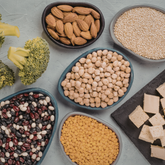
Antinutrients are naturally occurring compounds found in many plant foods. They can interfere with the absorption or utilization of essential nutrients. While this might sound alarming, antinutrients are part of a plant’s natural defense system, and they’re found in many healthy foods we eat every day.
Common Antinutrients in Plant-Based Milk Ingredients:
|
Antinutrient |
Found in |
Potential Effect |
|
Phytates |
Nuts, seeds, oats, soy |
Bind to minerals like iron, zinc, calcium reducing absorption |
|
Oxalates |
Almonds |
May reduce calcium absorption; linked to kidney stones in sensitive individuals |
|
Lectins |
Soy, legumes |
Can interfere with digestion and nutrient absorption (in raw forms) |
|
Tannins |
Certain seeds and nuts |
May reduce iron absorption |
|
Saponins |
Soy, legumes |
Can interfere with nutrient uptake and damage gut lining in high amounts |
Should You Be Concerned?
In most cases, no. Here’s why:
- Dose matters: The amount of antinutrients in a typical serving of plant-based milk is quite low especially when the milk is strained or diluted.
- Processing reduces antinutrients: Soaking, sprouting, and heating significantly reduce antinutrient levels. Most homemade or commercial plant milks involve some of these steps.
- Many antinutrients have health benefits: For example, phytates and tannins are also antioxidants. In moderate amounts, they may even help protect against cancer and heart disease.
-
Balanced diets offset their effects: If you consume a variety of nutrient-rich foods, the impact of antinutrients becomes minimal. Vitamin C, for example, enhances iron absorption even in the presence of phytates.
Scientific Data Snapshot
- Phytates in almonds: Raw almonds may contain 0.4–9.4% phytate by weight, but soaking them for 8–12 hours reduces this by up to 50% (Reddy et al., 1982).
- Oxalates in almond milk: Studies show that commercial almond milk contains significantly less oxalate than whole almonds—only ~4–8 mg per cup, compared to 120 mg in a handful of almonds (Holmes & Assimos, 2004).
-
Lectins in soy milk: Boiling soybeans deactivates 95–100% of lectins, making soy milk a safe and digestible alternative (Liener, 1994).
Tips to Minimize Antinutrient Impact in Plant Milks
- Soak ingredients before blending (especially nuts and seeds).
- Use warm water or lightly steam ingredients if you're concerned about digestion.
- Combine plant milk with vitamin C-rich foods (like berries or citrus) to improve mineral absorption.
-
Diversify your milk sources rotate between almond, oat, hemp, and soy to reduce prolonged exposure to one type of antinutrient.
Using Milky Plant to make your own plant-based milk gives you full control over the quality, freshness, and nutrition of your beverage without the need for pre-soaking or additives.
With Milky Plant, you can:
- Skip the soaking step – The powerful blending process extracts nutrients efficiently, even from raw nuts, seeds, and grains.
- Use filtered water for a cleaner, safer base especially important when aiming to minimize exposure to contaminants that can interact with antinutrients.
- Automatically strain the pulp, helping reduce residual antinutrients and improve digestibility.
- Make your milk hot, which can further reduce heat-sensitive antinutrients like lectins and saponins.
- Enjoy additive-free, freshly made milk with no thickeners, oils, or sweeteners just real, whole-food ingredients.
-
Easily rotate your ingredients to vary your nutrient intake and avoid overexposure to any one type of antinutrient.
Antinutrients are not villains they’re a natural part of the plant kingdom and often misunderstood. With simple preparation and a varied diet, they pose little threat and may even offer health benefits. Making your own plant milk at home with Milky Plant can help you enjoy these beverages confidently, nutritiously, and deliciously.