







As winter wanes and your body begins its shift toward spring, staying properly hydrated becomes vital, even if you don’t feel as thirsty as you do in summer. Water supports everything from core temperature regulation to digestion, immune function, and energy levels. But does the temperature of your water matter? Let’s break down what science says, and how to hydrate in late winter for your best health.
Why Hydration Still Matters in Late Winter
Cold weather can mask your body’s thirst cues even though fluid loss continues via breathing, sweat (even when bundled up!), and urine. Staying hydrated helps:
- Maintain healthy circulation and blood pressure
- Support kidney function and detoxification
- Aid digestion and nutrient absorption
- Keep energy levels stable and cognitive function sharp
Drinking the right amount overall is far more important than the temperature - but water temperature may still have measurable effects on your body in winter.
Warm Water: Science-Backed Benefits for Cold Seasons
While research comparing water temperatures is limited, several studies and scientific reviews offer clues:
1. Digestion & Gastric Motility
A controlled study found that drinking cold water (2 °C) suppressed gastric contractions and lowered appetite compared with warm water (60 °C), showing that temperature can influence digestive activity and sensations of hunger.
2. Shivering and Thermoregulation
Warm fluids can help ease the body’s effort to maintain internal temperature. A 2017 study showed drinking warm water helped reduce shivering and the body’s workload to maintain heat when exposed to cold conditions.
3. Comfort and Symptom Relief
Warm drinks are often more soothing during colds and congestion, improving nasal comfort and perceived relief - likely because warmth helps loosen mucus and relax tissues.
4. Absorption & Ease on the Gut (Emerging Evidence)
Some literature suggests water closer to body temperature may be absorbed more readily than very cold water, although results vary and more research is needed.
Takeaway: In cold weather, warm or room-temperature water may feel easier on digestion, support comfort, and reduce the physiological stress of maintaining core temperature.
Cold Water: Benefits and When It’s Most Useful
Contrary to some traditional claims, there’s no strong evidence that cold water is harmful to digestion or general health in healthy adults. Instead, studies indicate:
1. Increased Intake and Hydration
A review of research found that cool water around 15 °C (about 60 °F) encouraged people to drink more, which supports better hydration - especially post-exercise or when thirst cues are suppressed.
2. Small Metabolic Boost
Cold water causes the body to warm the fluid to internal temperature, leading to a modest increase in calorie burn - though this effect is small and not a weight-loss strategy on its own.
3. Cooler Body After Activity
Cold water is often more refreshing after physical exertion and can help cool the body faster when overheated.
Important Note: Cold water is generally safe for most people, and individual tolerance varies. Preference and comfort matter - the best water temperature is the one you consistently drink.
Room Temperature Water: The “Goldilocks” Choice
Many hydration experts suggest that room temperature water (neither cold nor hot) offers the best balance in late winter because:
- It’s easy to drink in larger amounts
- It’s less likely to trigger discomfort after meals
-
It avoids extremes that can feel shocking or sluggish to the body
In fact, one study in dehydrated exercisers suggested cool (but not icy) water around 60.8 °F (16 °C) may be optimal for rehydration.
So, What’s Best for You in Late Winter?
There’s no one-size-fits-all answer, but here’s a practical approach based on current science:
✔ Morning & Desk Days: Warm or room-temperature water supports digestion and internal balance.
✔ During Workouts or Activity: Cool water (not ice) can feel more refreshing and encourage higher intake.
✔ When You’re Congested or Cold: Warm water may soothe symptoms and make hydration easier.
Bottom line: Temperature influences comfort and preference more than overall health outcomes, but warm or room-temperature water may better support digestion, comfort, and thermoregulation in colder months.
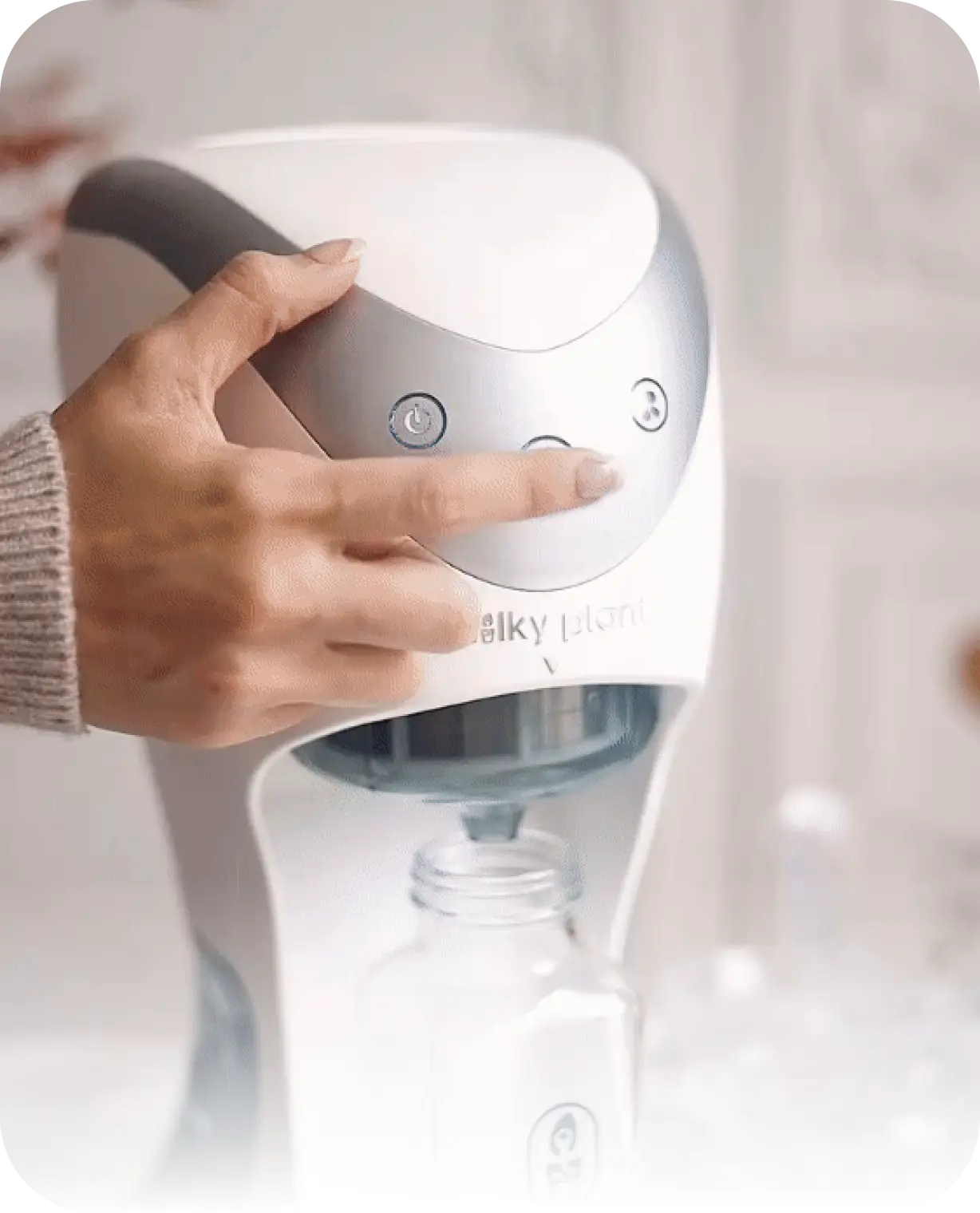
Hydration doesn’t stop with plain water, nourishing your body with mineral-rich, clean water can enhance winter wellness. That’s where Watery comes in: by filtering your tap water, you remove impurities that can burden your body and support cleaner hydration every day. Combined with mindful choices about water temperature, Watery helps you stay consistently, comfortably hydrated during the late winter transition.
Healthy hydration is simple, evidence-informed, and tailored to your body , and with habits centered on comfort and consistency, you’ll be set for spring with strength and clarity. 🍃