




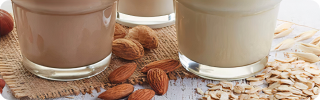


Veganuary is the perfect time to explore plant-based eating, but for many people, the first weeks can come with digestive changes like bloating, gas, or discomfort. The good news? These symptoms are often temporary and can be positively influenced by one key group of nutrients: fermentable fibers.
When paired with proper hydration and freshly made plant milk, fermentable fibers become powerful allies for gut health, digestion, and long-term wellbeing.
What Are Fermentable Fibers?
Fermentable fibers are a type of dietary fiber that feed your gut microbiota, the trillions of beneficial bacteria living in your digestive system. Unlike insoluble fibers, fermentable fibers are broken down (fermented) by gut bacteria in the colon.
During this process, bacteria produce short-chain fatty acids (SCFAs) such as butyrate, acetate, and propionate, which are essential for:
- Supporting gut lining integrit
- Reducing inflammation
- Improving nutrient absorption
-
Regulating digestion and bowel movements
Why Veganuary Increases Fiber Intake (and Why That’s a Good Thing)
Plant-based diets naturally contain more fermentable fibers than animal-based diets. During Veganuary, people often consume more:
- Nuts and seeds
- Oats and whole grains
- Legumes
- Fruits and vegetables
While this sudden increase can initially challenge the gut, it ultimately leads to a more diverse and resilient microbiome, especially when fiber intake is introduced mindfully.
Key Fermentable Fibers Found in Plant-Based Ingredients
Many ingredients used in homemade plant milk and plant-based meals are rich in fermentable fibers:
- Nuts & Seeds
- Cashews
- Almonds
- Hazelnuts
- Hemp seeds
Contain soluble fibers and resistant starches that nourish beneficial gut bacteria.
- Oats
Rich in beta-glucans, a well-researched fermentable fiber shown to improve gut health and cholesterol metabolism.
- Legumes
Contain galacto-oligosaccharides (GOS), which selectively feed beneficial bacteria like Bifidobacteria.
Why Fresh Plant Milk Is Easier on Digestion
Store-bought plant milks often contain gums, stabilizers, and emulsifiers that may irritate sensitive digestive systems.
With Milky Plant Plus, you can make fresh, additive-free plant milk, preserving:
- Natural fibers
- Micronutrients
- Healthy fats
Freshly made plant milk allows fermentable fibers to work with your gut, not against it, especially during dietary transitions like Veganuary.
Benefits of DIY Plant Milk for Gut Health:
- No unnecessary additives
- Better fiber integrity
- Improved nutrient bioavailability
-
Customizable for sensitive digestion
Hydration: The Missing Link in Fiber Digestion
Fiber and water work as a team. Increasing fiber intake without proper hydration can slow digestion and worsen bloating.
How Filtered Water Supports Gut Health:
- Helps fiber swell and move smoothly through the digestive tract
- Supports fermentation without constipation
- Improves mineral absorption
- Enhances the taste and quality of plant milk
Filtered water reduces impurities like chlorine that may negatively affect gut bacteria, making it an essential companion during Veganuary.
To support digestion while increasing fermentable fibers:
- Start slow – Gradually increase fiber intake
- Hydrate consistently – Drink filtered water throughout the day
- Choose fresh plant milk – Made with Milky Plant Plus
- Soak nuts & seeds – Improves digestibility
-
Listen to your body – Everyone’s gut adapts at its own pace
Veganuary isn’t just about changing what you eat, it’s about supporting your body through the transition. Fermentable fibers are essential for long-term gut health, but they work best when paired with clean water and fresh, minimally processed foods.
With Milky Plant Plus and The Watery, you create the ideal environment for your gut to flourish, naturally, gently, and sustainably.
Your gut will thank you.