




As the holiday season approaches, it's an opportune moment to reconsider our festive traditions and make choices aligned with a commitment to sustainability. Christmas embodies the spirit of giving, and this year, let's extend that generosity to the planet by adopting environmentally conscious practices. This blog will provide practical tips for a more sustainable Christmas, touching on themes of eco-friendliness, embracing plant-based living, the choice between artificial and real Christmas trees, and managing the environmental impact of festive decorations like tinsel and garland.
Prioritizing Sustainability
The essence of a sustainable Christmas lies in thoughtful decisions that go beyond gift-giving. Consider using wrapping paper crafted from recycled materials or opt for reusable fabric wraps. Supporting local businesses not only enriches the community but also reduces the carbon footprint associated with shipping.
A study by the Environmental Protection Agency (EPA) reveals a 25% increase in household waste in the United States during the period from Thanksgiving to New Year's Day.

Plant-Based Living
The transition to a plant-based lifestyle during the holiday season may seem challenging, but it represents a meaningful step towards minimizing the environmental impact of festive feasts. Integrate delectable plant-based recipes into your Christmas menu to explore the diverse and sustainable world of cruelty-free eating.
Research from the Worldwatch Institute underscores the significant environmental consequences of the meat and dairy industry, including deforestation, water pollution, and greenhouse gas emissions.
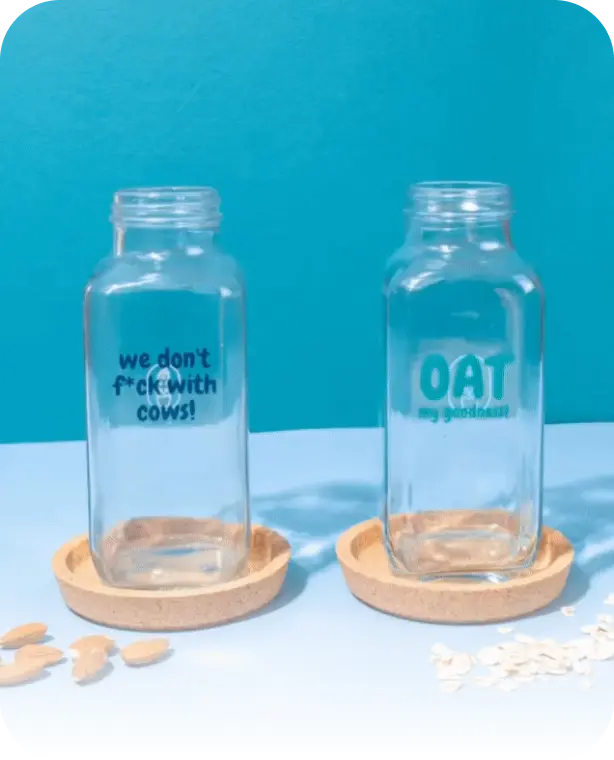
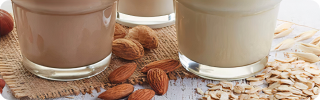
Incorporate sustainable practices like crafting plant milk at home using Milky Plant. This innovative approach not only provides a delicious and cruelty-free alternative but also minimizes waste and saves time. By using both the plant milk and the processed pulp in your Christmas recipes, you're creating a waste-free kitchen and adding a touch of sustainability to your festive dishes.

Navigating the Fake vs. Real Christmas Tree Dilemma
The ongoing debate between artificial and real Christmas trees involves nuanced considerations with environmental implications. While artificial trees offer reusability, they often consist of non-biodegradable materials. On the other hand, real trees, though biodegradable, come with their own set of concerns.
According to the American Christmas Tree Association, a considerable portion of artificial trees is manufactured overseas, contributing to carbon emissions from transportation.
Invest in a durable artificial tree for extended use or opt for a locally sourced, sustainably grown real tree. Post-holiday, recycle the real tree to contribute to community mulch or compost programs.

Trimming the Tree Sustainably: Addressing Tinsel and Garland
While tinsel and garland add festive charm, their environmental impact is often overlooked. Typically crafted from non-recyclable materials, these decorations contribute to the escalating issue of holiday-related waste.
In the UK alone, Christmas tree waste, inclusive of non-recyclable decorations, amounts to around 30,000 tonnes annually.
Choose sustainable decorations crafted from natural materials like wood or fabric. Reuse these decorations over the years, or repurpose non-recyclable items into imaginative DIY projects. Spread the holiday spirit by donating unused decorations to local schools or community centers.
In conclusion, this Christmas, let's unwrap the gift of sustainability and establish traditions that bring joy to our loved ones while promoting the well-being of our planet. From eco-conscious gift wrapping to embracing plant-based feasts and making informed choices about Christmas trees and decorations, each small step contributes to a brighter, greener future. Together, let's celebrate the season with gratitude for the Earth we call home. So, this Christmas, let's savor the joy of conscious choices, making each celebration a step towards a brighter, greener future for generations to come. Cheers to a sustainable and Merry Christmas!