



Plant-Based Nutrition for Beginners: What to Eat in Your First 30 Days

Research shows that dietary changes made consistently over 3–4 weeks help establish long-term habits. During your first 30 days, your body begins to:

  • Adjust gut bacteria toward fiber-digesting species
  • Improve insulin sensitivity
  • Reduce inflammatory markers
  • Increase micronutrient intake from whole foods

The key is variety, hydration, and nutrient density, not restriction.

Week 1: Build a Strong Foundation

Focus on familiar, whole foods

Start by plant-based versions of meals you already love.

What to eat:

  • Whole grains: oats, brown rice, quinoa
  • Vegetables: carrots, spinach, zucchini, broccoli
  • Fruits: bananas, berries, apples
  • Healthy fats: olive oil, avocado, nuts
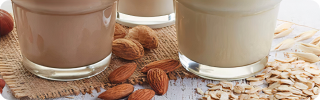
  • Plant milks: almond, oat, cashew

Week 2: Add Protein & Iron-Rich Foods

One common beginner mistake is under-eating protein. Plants have plenty - you just need variety.

Include daily:

  • Lentils, chickpeas, black beans
  • Tofu or tempeh
  • Pumpkin seeds, hemp seeds
  • Homemade nut & seed milks (cashew + hemp is a great combo)

Studies show that combining legumes and whole grains provides all essential amino acids, supporting muscle and energy levels.

Iron tip: Pair iron-rich foods with vitamin C (lemon, bell peppers, berries) to improve absorption.

Week 3: Support Digestion & Energy

By now, your gut is adapting to higher fiber, but digestion still needs support.

Add:

  • Fermentable fibers (oats, seeds, nuts)
  • Warm plant-based soups and lattes
  • Magnesium-rich foods (nuts, seeds, leafy greens)

Week 4: Balance, Micronutrients & Routine

This is where everything clicks.

Focus on:

  • Calcium: sesame seeds, almonds, fortified homemade milks
  • Omega-3s: flaxseed, chia, walnuts
  • Zinc & iodine: seeds, whole grains, sea vegetables
  • Consistent meal timing

Scientific reviews show that whole-food plant-based diets, when balanced, are associated with improved cardiovascular health, lower LDL cholesterol, and reduced risk of metabolic disease.

Common Beginner Mistakes (and How to Avoid Them)

❌ Relying too much on vegan processed foods
❌ Forgetting hydration
❌ Skipping meals or calories
❌ Ignoring mineral intake

✅ Solution:

  • Prioritize fresh plant milk
  • Drink clean, filtered water
  • Eat enough and eat varied
  • Keep meals simple, not perfect

A Simple Day of Eating (Beginner-Friendly)

Morning

  • Oatmeal with homemade almond milk (Milky Plant)
  • Berries + flaxseed
  • Glass of filtered water (Watery)

Lunch

  • Lentil & vegetable bowl with quinoa
  • Olive oil + lemon dressing

Snack

  • Smoothie with cashew milk, banana, spinach

Dinner

  • Chickpea curry with brown rice
  • Steamed greens

Your first 30 days don’t need to be complicated, just intentional.

  • Milky Plant helps you create fresh, nutrient-rich plant milk at home, supporting digestion, mineral intake, and clean nutrition.
  • Watery ensures your hydration works with your diet, not against it, improving taste, absorption, and daily consistency.

Together, they remove two of the biggest beginner barriers: quality nutrition and proper hydration.

Start simple. Stay hydrated. Nourish consistently.
Your plant-based journey doesn’t start with rules, it starts with care.

Back to blog
  • How Water Supports Liver Function (Without Detox Fads)

    How Water Supports Liver Function (Without Deto...

    The liver is one of the hardest-working organs in the human body. Every day it filters blood, metabolizes nutrients, breaks down toxins, and regulates hundreds of biochemical reactions essential for...

    How Water Supports Liver Function (Without Deto...

    The liver is one of the hardest-working organs in the human body. Every day it filters blood, metabolizes nutrients, breaks down toxins, and regulates hundreds of biochemical reactions essential for...

  • Plant-Based Iron Absorption: Tips for Maximizing Uptake

    Plant-Based Iron Absorption: Tips for Maximizin...

    Iron is an essential mineral that plays a central role in oxygen transport, energy production, and cognitive function. It forms a key component of hemoglobin, the protein in red blood...

    Plant-Based Iron Absorption: Tips for Maximizin...

    Iron is an essential mineral that plays a central role in oxygen transport, energy production, and cognitive function. It forms a key component of hemoglobin, the protein in red blood...

  • The Environmental Impact of Bottled Water vs Filtration

    The Environmental Impact of Bottled Water vs Fi...

    Water is essential for life, yet the way we access it has a significant environmental impact. Over the past few decades, bottled water consumption has surged worldwide, often marketed as...

    The Environmental Impact of Bottled Water vs Fi...

    Water is essential for life, yet the way we access it has a significant environmental impact. Over the past few decades, bottled water consumption has surged worldwide, often marketed as...

  • How Mild Dehydration Affects Energy & Focus (Scientific Breakdown)

    How Mild Dehydration Affects Energy & Focus

    Most people associate dehydration with extreme situations: intense heat, long workouts, or visibly feeling thirsty. However, science shows that even mild dehydration, as little as a 1–2% loss of body...

    How Mild Dehydration Affects Energy & Focus

    Most people associate dehydration with extreme situations: intense heat, long workouts, or visibly feeling thirsty. However, science shows that even mild dehydration, as little as a 1–2% loss of body...

  • Hydration for Women: Does It Differ?

    Hydration for Women: Does It Differ?

    Water is essential for life, it fuels every cell, supports digestion, helps regulate body temperature, and keeps our brains sharp. But when it comes to hydration, does a woman’s body...

    Hydration for Women: Does It Differ?

    Water is essential for life, it fuels every cell, supports digestion, helps regulate body temperature, and keeps our brains sharp. But when it comes to hydration, does a woman’s body...

  • Plant-Based Living as a Seasonal Practice: Eating in Harmony With Nature

    Plant-Based Living as a Seasonal Practice: Eati...

    In a world of year-round strawberries and imported superfoods, we’ve lost touch with something beautifully simple: eating with the seasons. Plant-based living isn’t just about what we remove from our...

    Plant-Based Living as a Seasonal Practice: Eati...

    In a world of year-round strawberries and imported superfoods, we’ve lost touch with something beautifully simple: eating with the seasons. Plant-based living isn’t just about what we remove from our...