




Every summer, the same advice starts circulating: drink eight glasses a day. But where does that number actually come from - and is it right for everyone? The truth about summer hydration is more nuanced, and far more interesting, than a one-size-fits-all rule.
The "8 glasses a day" myth and the real numbers
The famous "8×8" rule (eight 8-ounce glasses per day) has no strong scientific basis. It likely traces back to a 1945 U.S. Food and Nutrition Board recommendation that was widely misinterpreted - the original guidance noted that most of that water comes from food, not just drinks.
According to the Institute of Medicine and the World Health Organization, actual daily water needs are:
- Men: approximately 3.7 litres of total water per day
- Women: approximately 2.7 litres of total water per day
These figures include water from all sources - beverages, food, and metabolic processes. On average, 20–30% of daily water intake comes from solid food alone, particularly fruits and vegetables.
In summer, needs increase significantly. Sweating is your body's primary cooling mechanism, and at moderate activity in heat, you can lose between 0.5 and 2 litres per hour through perspiration alone (American College of Sports Medicine, 2007). On very hot days, even sedentary adults need to increase their intake meaningfully.
Signs you're not drinking enough
Your body sends signals well before you feel thirsty - and by the time thirst hits, you may already be 1-2% dehydrated. At that level, research shows measurable declines in concentration, increased perception of effort during physical tasks, and reduced short-term memory.
Watch out for:
- Dark urine - pale straw colour means well hydrated; anything darker is a warning sign
- Fatigue and brain fog - even mild dehydration impairs cognitive performance
- Headaches - dehydration causes temporary shrinkage of brain tissue, pulling it slightly from the skull
- Elevated heart rate - with less fluid in circulation, the heart works harder to maintain output
Why quality matters as much as quantity
Here's the part most hydration advice skips: even if you're drinking enough water, what's in that water can undermine the benefits. Tap water in many regions contains chlorine, heavy metals, nitrates, microplastics, and pharmaceutical residues - all of which have documented health effects at certain concentrations.
Lead - WHO guidelines set the safe limit at 10 µg/L. Exposure above this threshold is linked to neurological impairment and cardiovascular disease. Old plumbing is the primary source, and many households have no idea their pipes are contributing to what comes out of the tap.
Microplastics - A 2019 WHO report found microplastic particles in both bottled and tap water globally. Chronic exposure is still under study, but early evidence links plastic particle ingestion to systemic inflammation and potential endocrine disruption.
Chlorination by-products (THMs) - Trihalomethanes form when chlorine reacts with organic matter in water. Long-term exposure has been associated with increased bladder cancer risk in multiple epidemiological studies reviewed by the International Agency for Research on Cancer (IARC).
Nitrates - Agricultural runoff is the main source. Concentrations above 50 mg/L (the EU regulatory limit) are associated with health risks, particularly in infants and potentially through carcinogenic conversion in adults over time.
PFAS "forever chemicals" - Per- and polyfluoroalkyl substances have been detected in drinking water supplies worldwide. Linked to hormonal disruption, immune suppression, and certain cancers, the US EPA issued significantly stricter health advisories on PFAS in 2023.
It's worth noting that bottled water isn't a clean solution either. The European Food Safety Authority (EFSA, 2023) raised concerns about BPA and phthalates leaching from plastic bottles - especially when stored in warm conditions, which is precisely what happens in summer.
Electrolytes: the piece most people forget
When you sweat heavily, you don't just lose water - you lose electrolytes: primarily sodium, potassium, magnesium, and chloride. Drinking large amounts of plain water without replacing electrolytes can actually dilute sodium levels in the blood, a condition called hyponatraemia, which in severe cases causes nausea, confusion, and seizures.
After any activity where you sweat significantly, consider adding a pinch of sea salt and a slice of lemon to your water, or pairing your fluids with potassium-rich foods like bananas, avocado, or cucumber. Sports drinks can help in extended heat exposure but often carry excess sugar - plain water with natural electrolyte sources is usually sufficient for everyday summer activity.
Smart summer hydration - practical rules
Drink before you're thirsty. Thirst is a late signal. Build a habit of sipping regularly throughout the day rather than waiting for the urge.
Eat your water. Cucumber (96% water), watermelon (92%), strawberries (91%), and tomatoes (95%) are powerful hydration allies - especially useful if you find plain water uninspiring.
Coffee and tea count. Despite the reputation, the mild diuretic effect of caffeine is outweighed by its water content for regular consumers. Up to three or four cups per day contributes positively to your fluid intake.
Hydrate before bed. You lose approximately one litre of water through breathing during an eight-hour night. A glass of water before sleep and one upon waking makes a real difference.
Adjust for your context. Someone working outdoors in 35°C heat has dramatically different needs than someone in an air-conditioned office. Body weight, activity level, humidity, and altitude all influence requirements.
Drinking enough water matters. Drinking clean water matters just as much - and the scientific evidence above makes that hard to argue with.
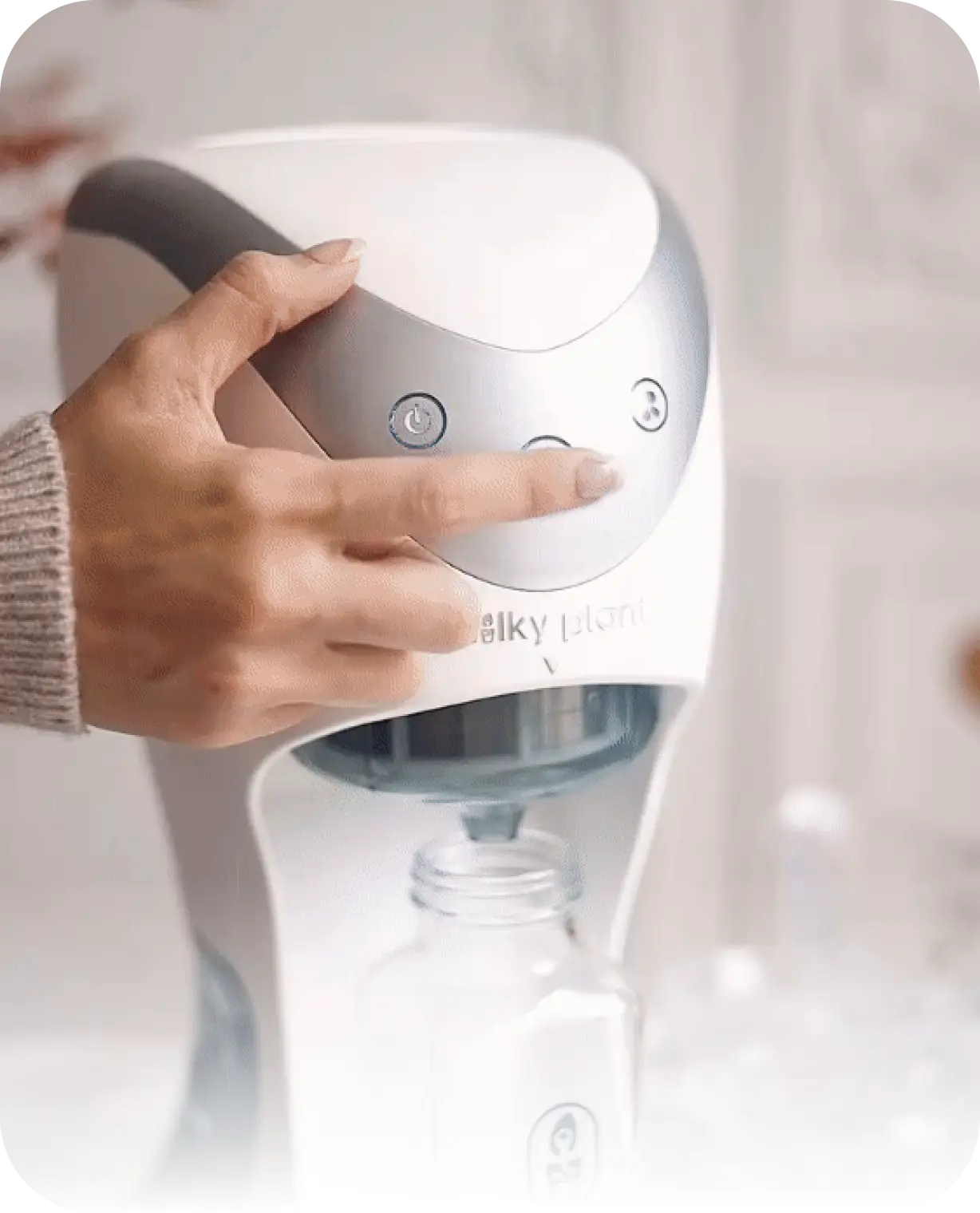
This is exactly where The Watery comes in. The Watery is a reverse osmosis water purifier built for home use, and reverse osmosis is among the most effective filtration technologies available. It removes up to 99% of the contaminants the research flags as concerning - heavy metals including lead, PFAS forever chemicals, nitrates, microplastics, chlorine by-products, and pharmaceutical residues - delivering water that is genuinely pure, not just technically within regulatory limits.
Unlike bottled water, The Watery eliminates the plastic problem entirely. No BPA leaching, no phthalates, no plastic waste accumulating in landfill. Just clean, great-tasting water from your own tap, every time.
This summer, the goal isn't just to drink more. It's to drink more of something that actually does what water is supposed to do - hydrate, support, and protect your body. The Watery makes that effortless.