








Tendon injuries, whether from intense training, repetitive strain, or sudden overload, require more than just rest. True recovery depends on a powerful combination of hydration, targeted nutrition, and consistent support for tissue repair. When approached holistically, recovery doesn’t just restore function,it can improve resilience and long-term performance.
Let’s break down the science-backed formula.
1. Hydration: The Foundation of Tissue Healing
Tendons are made primarily of collagen, a protein structure that depends heavily on water to maintain flexibility and strength. Even mild dehydration can reduce tissue elasticity, making tendons more prone to injury and slower to heal.
Why hydration matters:
- Supports nutrient transport to damaged tissues
- Maintains collagen structure and elasticity
- Reduces inflammation and stiffness
Research shows that optimal hydration enhances circulation, which is essential for delivering amino acids and micronutrients to the repair site.
Practical tips:
- Start your day with 500 ml of water
- Add electrolytes (especially after workouts)
- Eat water-rich foods like cucumber, oranges, and zucchini
Pro tip: Filtered water can improve taste and remove contaminants that may interfere with mineral absorption. Systems like Watery can support cleaner, more efficient hydration daily.
2. Plant-Based Nutrition: Building Blocks for Tendon Repair
Tendon healing relies on collagen synthesis, which requires specific amino acids (glycine, proline) and key micronutrients like vitamin C, zinc, and copper. While collagen is often associated with animal products, a well-planned plant-based diet can fully support this process.
Key nutrients for tendon repair:
Protein (Amino Acids)
- Lentils, chickpeas, tofu, hemp seeds
- Provide the building blocks for tissue regeneration
Vitamin C
- Citrus fruits, bell peppers, kiwi
- Essential for collagen synthesis
Zinc & Copper
- Nuts, seeds, whole grains
- Support tissue repair and immune function
Anti-inflammatory compounds
- Leafy greens, berries, turmeric
- Help reduce oxidative stress and inflammation
Studies in sports nutrition show that plant-based diets rich in antioxidants can accelerate recovery and reduce chronic inflammation when properly balanced.
3. Collagen Support - Plant-Based Style
While plant foods don’t contain collagen directly, they provide everything your body needs to produce it naturally.
Boost your collagen production:
- Combine vitamin C + protein in meals
- Add silica-rich foods (like oats and bananas)
- Include omega-3 sources (chia seeds, flaxseeds) to reduce inflammation
4. Timing Matters: Nutrient Delivery for Recovery
When you eat can be just as important as what you eat.
- Post-workout recovery window:
Within 30–60 minutes:
Protein + carbs + fluids
This timing helps maximize muscle and tendon repair by increasing nutrient uptake and reducing breakdown.
5. Practical Recovery Routine
Here’s a simple daily structure:
Morning:
- Warm water + lemon
- Stretching or mobility work
Midday:
- Balanced plant-based meal (protein + greens + whole grains)
- Stay hydrated
Post-workout:
- Recovery smoothie
- Rehydrate with electrolytes
Evening:
- Anti-inflammatory meal (e.g., lentil soup with turmeric)
- Herbal tea + hydration
6. Where Milky Plant Fits In
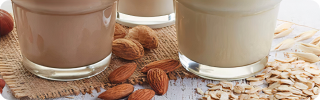
Consistency is key in recovery - and that includes your nutrition. Fresh, homemade plant milk can be a powerful addition to your routine.
With Milky Plant, you can:
- Create nutrient-dense plant milks from almonds, oats, or hemp
- Avoid additives and preservatives
- Easily incorporate protein, minerals, and healthy fats into smoothies
Pair it with clean, filtered water from Watery to ensure optimal hydration and absorption, especially important when your body is actively repairing tissue.
Tendon repair is not just about rest, it’s about strategic recovery. Hydration keeps tissues flexible and nourished, while plant-based nutrition provides the essential building blocks for regeneration.
By combining:
- Clean, consistent hydration
- Nutrient-rich plant-based meals
- Smart recovery timing
…you create a powerful formula that supports not only healing but long-term strength and resilience.