




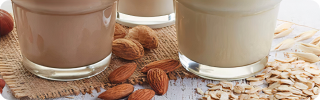


Summer has a way of nudging us toward lighter, fresher food - cold salads instead of heavy stews, smoothies instead of soup. As it turns out, that instinct is backed by real science. Here's why the warmer months are the perfect moment to lean further into a plant-based lifestyle, and how a few small swaps can make a measurable difference to how you feel.
1. Plants Help You Beat the Heat - Literally
Hot weather increases your body's water needs, and many plant foods are doing double duty as hydration sources. Watermelon, cucumber, zucchini, and leafy greens are all over 90% water by weight, according to USDA nutrient data - meaning every bite contributes to your fluid intake, not just your calorie count.
Plant-based milks fit neatly into this picture too. Unlike dairy milk, which some people find heavier or harder to digest in the heat (particularly the ~65% of the global population with some degree of lactose malabsorption, per a widely cited 2017 review in The Lancet Gastroenterology & Hepatology), plant milks tend to sit lighter and are naturally lactose-free.
2. A Plant-Forward Diet Is Linked to Better Digestion in Summer Heat
Digestion tends to slow down when the body is working hard to regulate its temperature - blood flow shifts toward the skin's surface to help you cool down, leaving less for digestion. Diets higher in plant fiber support this process: a 2019 meta-analysis in The Lancet found that higher dietary fiber intake was associated with a 15–30% reduction in all-cause and cardiovascular-related mortality, and fiber-rich diets are consistently linked to more efficient gut transit - helpful when your system is already under thermal stress.
Fermentable fibers found in oats, legumes, and many plant-based products also feed beneficial gut bacteria, which several 2021-2022 microbiome studies (e.g., in Cell and Nature Medicine) have linked to improved metabolic and immune markers.
3. Lower Body Heat Production
Digesting protein requires more metabolic energy than digesting carbohydrates or fats - a phenomenon called the thermic effect of food (TEF). Animal protein has one of the highest TEFs of any macronutrient source. Shifting even a portion of summer meals toward plant proteins (legumes, tofu, tempeh) can modestly reduce the "metabolic heat" your body generates after eating, which may help you feel less sluggish during heatwaves.
4. The Environmental Case Gets Stronger in Summer
Summer is also peak season for water stress in agriculture. A frequently cited 2018 study published in Science by Poore & Nemecek, analyzing data from over 38,000 farms, found that plant-based foods generally require significantly less water and land, and generate a fraction of the greenhouse gas emissions compared to their animal-based counterparts - a gap that widens for dairy specifically, given the water intensity of livestock feed production.
5. Easy Summer Swaps to Try This Week
- Morning: Swap dairy milk for a plant-based alternative in your iced coffee or smoothie - lighter on digestion, naturally lactose-free.
- Lunch: Build a high-water-content salad base (cucumber, tomato, leafy greens) with a plant protein like chickpeas or tofu.
- Snacks: Reach for watermelon, berries, or a chilled plant-based yogurt instead of processed snacks.
- Dinner: Try one fully plant-based meal a week - even partial shifts have been shown to lower dietary environmental footprint meaningfully, per the Poore & Nemecek data above.
You don't need to overhaul your entire diet overnight. Summer's natural pull toward fresh, hydrating, lighter foods is already a nudge in the plant-based direction - the science just confirms that instinct is worth following. Small, consistent swaps (like choosing plant-based milk) add up to real benefits for your digestion, your energy levels, and the planet.