








As the days grow longer and light shifts, our bodies naturally crave something different. Winter calls for slow-cooked stews, root vegetables, and warming spices. Spring, however, invites freshness, colour, and lighter meals that support energy, digestion, and renewal.
Transitioning your diet from winter to spring isn’t about restriction, it’s about alignment. Here’s how to do it in a balanced, nourishing way.
1. Follow the Light: Adjust to Seasonal Physiology
During winter, shorter daylight hours influence melatonin production and appetite-regulating hormones. Many people naturally crave denser, carbohydrate-rich meals for warmth and energy.
As spring approaches and daylight increases:
- Metabolism often feels lighter
- Activity levels naturally rise
- Digestion benefits from less heavy, fatty foods
Instead of an abrupt change, gradually reduce heavy meals and introduce lighter cooking methods such as steaming, sautéing, and blending.
2. Swap Root Vegetables for Greens
Winter staples like potatoes, parsnips, and squash provide grounding nourishment. In spring, begin incorporating:
- Spinach
- Rocket (arugula)
- Asparagus
- Radishes
- Fresh herbs
- Peas
Leafy greens are rich in chlorophyll, folate, and vitamin K, supporting liver function and gentle detoxification processes, something the body naturally prioritises in spring.
Tip: Combine winter and spring produce for a few weeks, for example, roasted sweet potatoes with fresh spinach and lemon dressing.
3. Lighten Up Your Cooking Methods
Winter: roasting, slow-cooking, baking
Spring: steaming, blanching, quick sautéing, raw additions
You don’t need to abandon warm meals entirely. Instead, aim for:
- Warm salads with fresh herbs
- Lighter soups with greens and legumes
-
Grain bowls with seasonal vegetables
This supports digestion while still providing comfort on cooler spring evenings.
4. Refresh Your Hydration
In colder months, many people drink less water and rely more on hot drinks. As temperatures rise:
- Increase filtered water intake
- Add lemon or cucumber slices
-
Incorporate herbal infusions
Clean, mineral-balanced water supports metabolism, skin health, and natural detoxification. Hydration becomes even more important as physical activity increases in spring.
5. Transition Your Plant Milks
Winter often calls for richer plant milks like oat or cashew for hot chocolates and creamy lattes. In spring, you may prefer:
- Almond milk
- Hemp milk
- Lighter oat blends
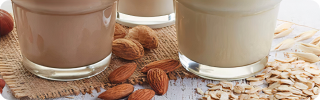
Making fresh plant milk at home ensures no added sugars or preservatives, just clean ingredients aligned with the season. Lighter plant milks pair beautifully with smoothies, matcha, or chilled coffee as days warm up.
6. Support Natural “Spring Cleaning” Through Nutrition
The concept of spring detox isn’t about extreme cleanses. Your liver and kidneys already detoxify effectively. Instead, support them with:
- Bitter greens
- Fibre-rich legumes
- Fermented foods
- Adequate hydration
- Reduced processed foods
Fibre helps bind and eliminate waste products, while fermented foods support gut microbiome diversity, crucial for immunity and metabolic health.
7. Add More Fresh Colour
Spring is about variety and vibrancy. Aim to include multiple colours on your plate daily:
- Green (spinach, herbs)
- Red (radishes, strawberries)
- Orange (carrots)
- Purple (red cabbage)
-
White (spring onions, garlic)
Phytonutrients in colourful foods reduce inflammation and support cellular health.
8. Listen to Your Appetite
One of the most important aspects of seasonal eating is intuitive awareness. Notice:
- Are you craving fresher meals?
- Do heavy dishes feel less satisfying?
- Is your energy shifting?
Gradual transitions prevent digestive discomfort and help maintain stable energy.
A Gentle Spring Meal Idea
Spring Nourish Bowl
- Quinoa or brown rice
- Steamed asparagus
- Fresh spinach
- Roasted chickpeas
- Radishes
- Lemon-tahini dressing
- Fresh herbs
Pair with a glass of filtered water or a light homemade almond milk smoothie.
Transitioning from winter to spring eating is about moving from grounding to refreshing, from heavy to vibrant, without losing nourishment. By slowly introducing lighter ingredients, increasing hydration, and embracing seasonal produce, you support your body’s natural rhythms.
Spring isn’t about restriction. It’s about renewal, energy, and balance on your plate and beyond.