






Switching to a plant-based diet comes with a host of health benefits, from reduced inflammation to improved heart health. Yet, one key nutrient often overlooked in plant-based eating is healthy fats. Fats are more than just a calorie source, they are essential for brain function, hormone production, nutrient absorption, and overall cellular health. Understanding the types and sources of healthy fats is crucial for anyone embracing a plant-based lifestyle.
Why Fats Are Essential
Fats serve multiple roles in the body:
- Energy Source: Fats provide 9 calories per gram, making them a concentrated energy source, especially important for active individuals.
- Cell Structure: Phospholipids and cholesterol (even plant sterols mimic some cholesterol functions) are critical for maintaining cell membrane integrity.
- Nutrient Absorption: Vitamins A, D, E, and K are fat-soluble, meaning they require dietary fat for proper absorption.
-
Brain Health: Omega-3 fatty acids, particularly alpha-linolenic acid (ALA) found in plants, are vital for cognitive function and mood regulation.
Types of Healthy Fats for Plant-Based Diets
-
Monounsaturated Fats (MUFAs):
-
-
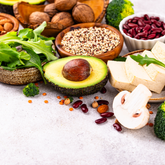
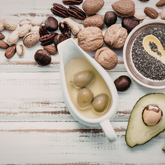
Sources: Avocados, olive oil, almonds, and cashews.
-
Benefits: MUFAs have been linked to improved heart health, reduced inflammation, and better insulin sensitivity.
-
-
Polyunsaturated Fats (PUFAs):
-
Sources: Walnuts, flaxseeds, chia seeds, hemp seeds, and sunflower seeds.
-
Benefits: PUFAs include omega-3 and omega-6 fatty acids, which play a crucial role in brain function, hormone regulation, and cardiovascular health. Balancing omega-6 and omega-3 intake is key, as excessive omega-6 can promote inflammation.
-
-
Saturated Fats (from plant sources):
-
Sources: Coconut oil, cocoa butter, and palm oil (preferably sustainably sourced).
-
Benefits: While often misunderstood, moderate amounts of plant-based saturated fats can provide energy and aid in hormone synthesis.
-
Incorporating Healthy Fats into Meals
A plant-based diet can sometimes be low in fat if meals are overly reliant on fruits, vegetables, and grains. Here are practical ways to include healthy fats:
- Add avocado slices or a sprinkle of nuts to salads.
- Include chia, hemp, or flax seeds in smoothies, oatmeal, or baked goods.
- Cook with extra virgin olive oil instead of refined oils.
-
Snack on raw nuts or nut butter for a quick energy boost.
Special Focus: Omega-3s
Omega-3 fatty acids deserve special attention, as they are less abundant in plant foods compared to animal sources. Ground flaxseeds, chia seeds, hemp seeds, and walnuts are excellent ALA sources. For those concerned about long-chain omega-3s (EPA and DHA), algae-based supplements are a sustainable and vegan-friendly alternative.
In a well-planned plant-based diet, healthy fats are indispensable for supporting overall health, energy levels, and nutrient absorption. From the brain to the heart, these fats play a central role in maintaining optimal function.
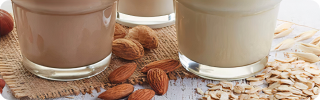
For those incorporating plant milks into their daily routine, devices like Milky Plant Plus make it easy to craft nutrient-rich, fresh plant milks at home. Homemade plant milk not only maximizes the retention of essential fats and nutrients from nuts and seeds but also ensures you control the ingredients, avoiding additives and unnecessary sugars. Prioritizing healthy fats while using fresh, homemade plant milk can elevate your plant-based diet to its healthiest and most delicious potential.