








The issue of lead contamination in drinking water extends beyond isolated incidents, affecting various regions worldwide, including Europe and the United Kingdom. Aging infrastructure and historical use of lead pipes continue to pose significant health risks, necessitating urgent attention and action.
Lead Contamination in the UK
In the UK, many homes built before 1970 still have lead pipes, which can leach lead into drinking water. An estimated 40% of properties are connected to lead plumbing, putting millions at risk. The Drinking Water Inspectorate (DWI) has set a lead limit of 10 µg/L in tap water, yet areas with old infrastructure still report concerning levels of contamination. While the government encourages homeowners to replace lead pipes, the costs and logistical challenges deter many from taking action.
Europe’s Lead Water Problem
Lead contamination is not just a UK issue; it is prevalent across Europe. The European Union’s Drinking Water Directive mandates a maximum lead concentration of 10 µg/L, but compliance varies between countries. For example:
- Germany: Many old buildings still have lead piping, and public awareness about the risks remains limited.
- Ireland: Dublin has struggled with lead contamination due to outdated service connections installed before the mid-1970s.
- France & Italy: Historical buildings and rural water systems still rely on outdated infrastructure, exposing residents to lead-contaminated water.
Health Risks of Lead Exposure
Lead exposure poses severe health risks, especially to children and pregnant women. It can cause:
- Developmental delays and learning difficulties in children
- Increased blood pressure and kidney problems in adults
- Neurological damage and cognitive impairments over time
Because lead accumulates in the body, even low-level exposure over time can have lasting consequences. Public health organizations emphasize the need to reduce lead intake as much as possible.
Challenges in Replacing Lead Pipes
Replacing lead pipes is expensive and disruptive. In the UK alone, the estimated cost of full replacement ranges between £8-10 billion. The responsibility is often divided between water suppliers and property owners, causing delays in action. Additionally, replacing lead service lines does not always eliminate contamination, as lead deposits can persist in internal plumbing.
Solutions and Preventive Measures
While large-scale infrastructure upgrades are necessary, individuals can take steps to minimize their risk:
- Run tap water for several minutes before use to flush out lead
- Use certified water filters that remove lead particles
- Regularly test tap water for lead contamination
- Replace lead pipes and fixtures where possible
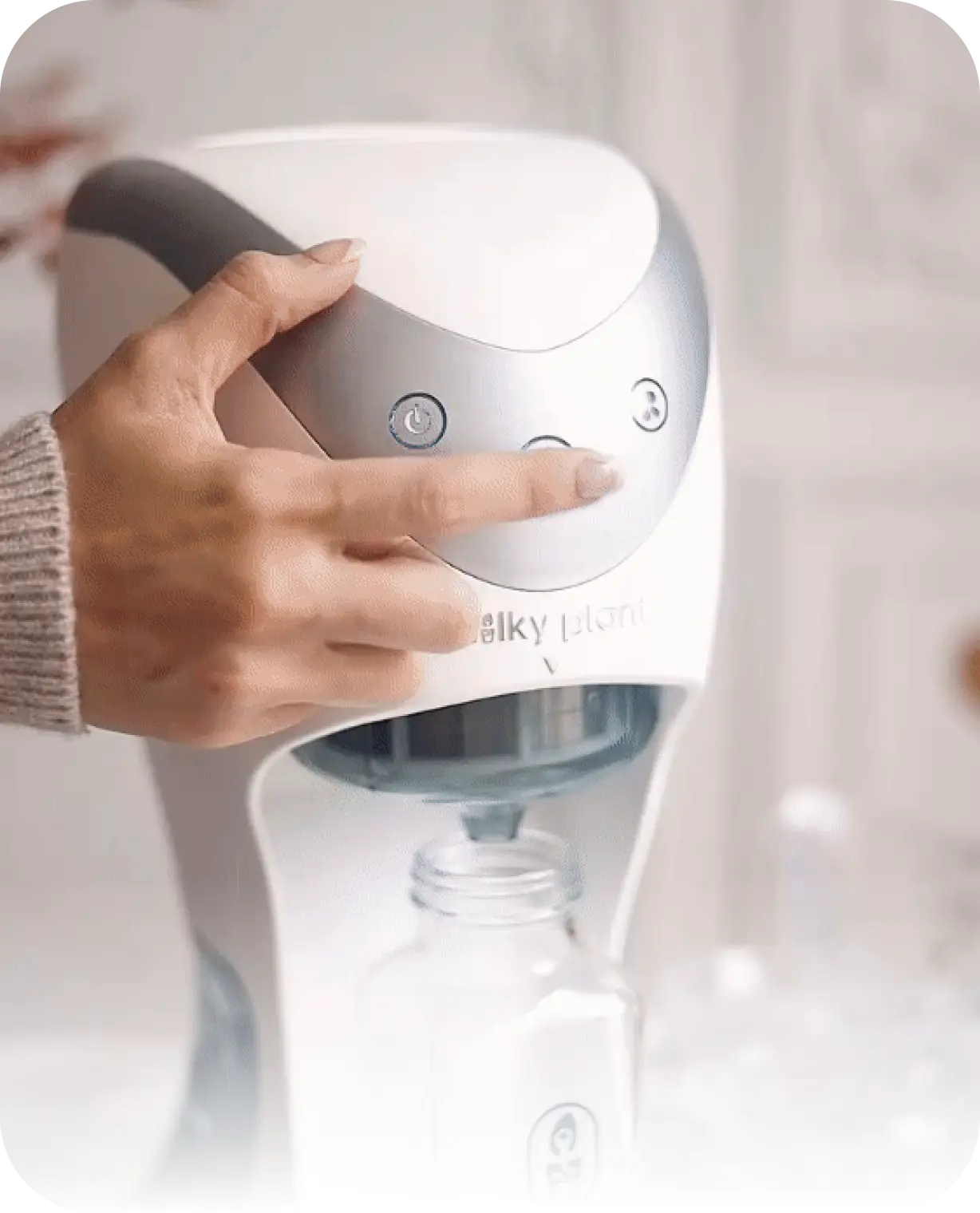
For those concerned about lead in drinking water, using a reliable filtration system is essential. Watery by Milky Plant is an advanced filtration solution designed to remove harmful contaminants, including lead, from tap water. By incorporating Watery into daily routines, households can ensure safer, cleaner drinking water without relying solely on aging municipal systems.
Lead contamination in drinking water remains a widespread problem in the UK and across Europe due to aging infrastructure. While government regulations aim to reduce lead exposure, individuals must take proactive measures to protect their health. Investing in high-quality water filtration, like Watery from Milky Plant, provides an effective and convenient solution for ensuring safer drinking water. Safe water is a fundamental necessity—take action today to protect yourself and your family.