







The liver is one of the hardest-working organs in the human body. Every day it filters blood, metabolizes nutrients, breaks down toxins, and regulates hundreds of biochemical reactions essential for survival. Because of this central role in detoxification, the liver is often associated with trendy “detox” diets, cleanses, and expensive supplements.
However, scientific evidence consistently shows that the liver already has a highly effective detoxification system. What it truly needs to function properly is not extreme cleansing routines but consistent support from healthy lifestyle habits, and one of the most important of these is proper hydration.
Understanding how water supports liver function can help us move beyond detox fads and focus on evidence-based ways to support long-term health.
The Liver: The Body’s Natural Detox System
The liver performs more than 500 metabolic functions. One of its most critical roles is detoxification, processing substances that enter the body through food, water, medication, alcohol, and environmental exposure.
This detoxification process occurs in two major phases:
- Phase I (Transformation) - Enzymes, particularly the cytochrome P450 family, chemically modify toxins so they become easier for the body to eliminate
- Phase II (Conjugation) - The liver attaches molecules such as sulfate, glycine, or glutathione to these transformed substances, making them water-soluble.
Once toxins become water-soluble, the body can remove them through urine or bile.
This final step highlights an important fact: detoxification ultimately depends on water.
Why Hydration Matters for Liver Health
Water supports liver function in several key physiological ways.
1. Supporting Toxin Elimination
After the liver processes toxins, they must be removed from the body. Many metabolic waste products leave through the kidneys in urine.
Adequate hydration helps maintain healthy urine production, ensuring these waste products do not accumulate in the bloodstream.
Research in Kidney International and Clinical Journal of the American Society of Nephrology shows that sufficient fluid intake supports kidney filtration, which works closely with the liver to eliminate metabolic waste.
Without enough water, the body may retain these compounds longer, increasing metabolic strain.
2. Maintaining Healthy Blood Circulation
About 13% of the body’s blood supply flows through the liver at any given time. Blood delivers nutrients and carries away toxins for processing.
Proper hydration helps maintain:
- blood volume
- circulation efficiency
- oxygen delivery to liver cells
When hydration levels drop, blood becomes slightly more concentrated, which can reduce circulation efficiency and place additional stress on organs involved in metabolic processing.
3. Supporting Bile Production and Digestion
The liver produces bile, a fluid essential for digesting fats and removing waste products such as bilirubin and cholesterol.
Bile is composed largely of water, bile salts, cholesterol, and bilirubin. Adequate hydration helps maintain the fluid balance needed for bile production and proper bile flow through the biliary system.
Healthy bile flow is crucial for:
- fat digestion
- cholesterol balance
-
removal of certain metabolic waste products
4. Helping Maintain Metabolic Balance
The liver regulates several metabolic processes, including:
- glucose storage and release
- amino acid metabolism
- lipid processing
Water participates in many biochemical reactions that occur within liver cells. Even mild dehydration can affect cellular processes and energy metabolism.
Studies published in the Journal of Nutrition have shown that mild dehydration can influence mood, energy levels, and cognitive performance, demonstrating how fluid balance affects overall physiological function.
The Problem with Detox Fads
Many detox programs claim to “cleanse the liver” with special juices, teas, or supplements. In reality, the liver does not require external detox products to perform its function.
Scientific reviews consistently show:
- There is little clinical evidence that commercial detox diets improve liver detoxification.
-
Some extreme cleanses can even be harmful by restricting nutrients or causing electrolyte imbalances.
Instead of extreme detox routines, liver health is best supported by:
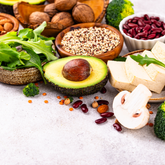
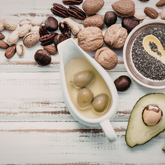
- balanced nutrition
- moderate alcohol intake
- regular physical activity
- adequate sleep
-
consistent hydration
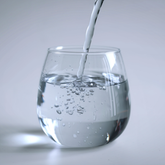
Water is one of the simplest and most effective ways to support the body’s natural detox processes.
Why Water Quality Matters Too
While hydration is essential, the quality of the water we drink also matters. Tap water can contain contaminants such as heavy metals, microplastics, chlorine byproducts, and pharmaceutical residues depending on local water infrastructure.
Although most municipal systems meet safety standards, long-term exposure to trace contaminants is an increasing concern in environmental health research.
Filtering water helps reduce this exposure while improving taste and encouraging consistent hydration.
The liver is already an extraordinary detoxification system. Rather than relying on trendy cleanses or restrictive detox programs, the best way to support liver function is through sustainable habits, and hydration is one of the most fundamental.
Drinking enough clean water supports circulation, bile production, and the elimination of metabolic waste products, allowing the liver to perform its natural detoxification processes efficiently.
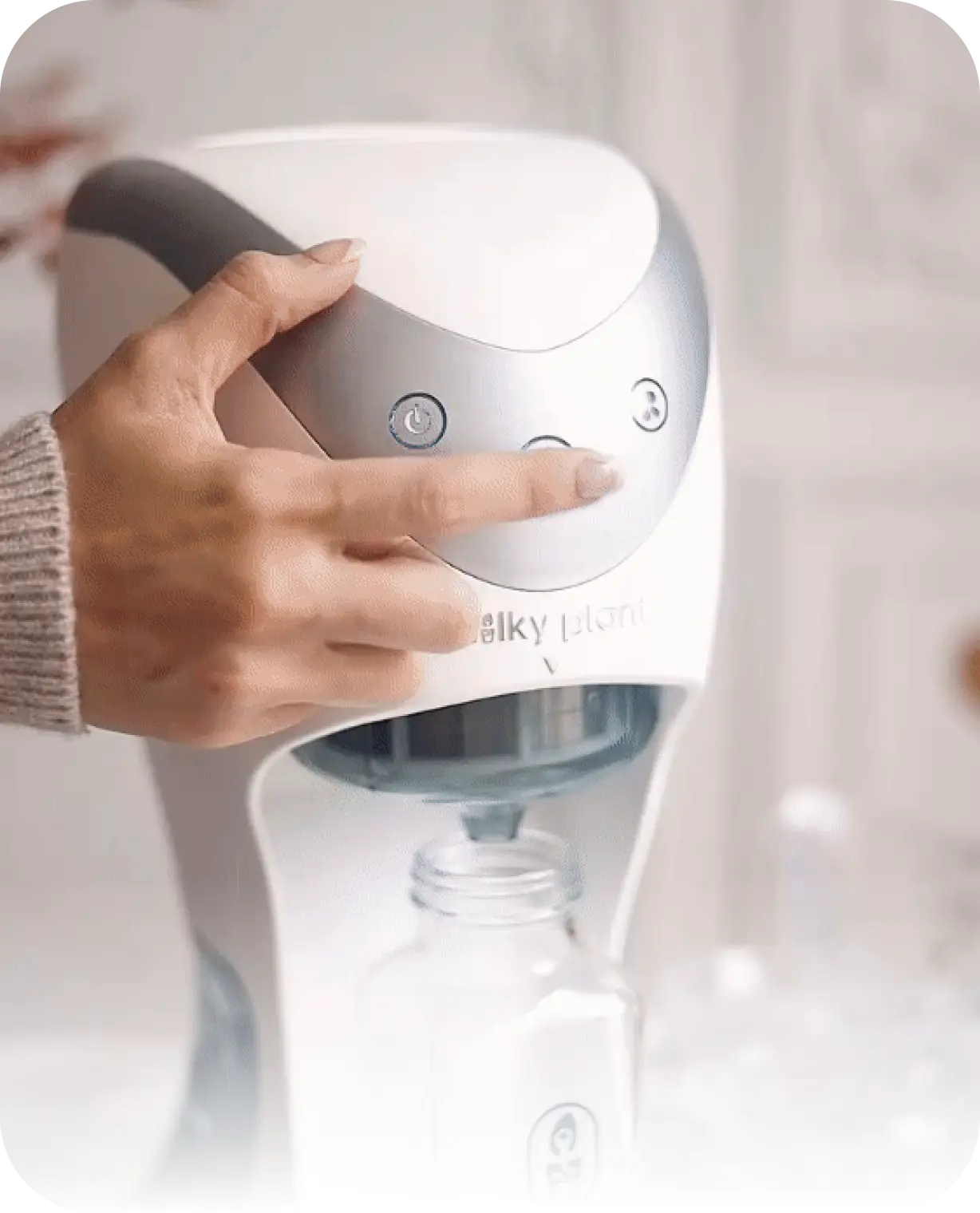
A practical way to ensure consistently clean drinking water at home is The Watery, our premium reverse osmosis water purifier. It removes up to 99% of contaminants and re-mineralizes the water with essential minerals like magnesium and calcium.
It also features an instant hot water function, delivering water up to 100°C in under 2 seconds, making it ideal for tea, coffee, baby formula, or cooking.
By combining high-quality filtration with convenience, it makes staying properly hydrated throughout the day simple, supporting not only liver health, but overall wellbeing.