



If you've ever poured yourself a glass of tap water on a hot summer day and thought something tastes wrong, you're not imagining it. Tap water genuinely tastes different in summer - and there are real, scientific reasons why.
Here's what's actually happening in your pipes, and what you can do about it.
Why does tap water taste different in summer?
1. Higher temperatures change how chlorine behaves
Water treatment plants use chlorine to keep your tap water safe from bacteria. In colder months, chlorine stays dissolved in the water and largely stays put. But in summer, warmer water causes chlorine to evaporate faster and react more actively with organic matter - producing compounds called chloramines and trihalomethanes (THMs).
The result? A stronger, more chemical taste and smell, especially first thing in the morning or after water has been sitting in the pipes.
2. Your pipes heat up
Water travels through underground pipes and internal plumbing before it reaches your tap. In summer, those pipes - especially if they're close to the surface or inside a warm building - absorb heat. Warm water is a much better solvent than cold water, meaning it picks up more minerals, metals, and plastic compounds from the pipes along the way.
This is why summer tap water can sometimes taste metallic, earthy, or just flat.
3. Algae blooms in reservoirs
Warmer temperatures cause algae to bloom in reservoirs and open water sources. Water treatment plants work hard to remove algae, but the compounds they release - particularly geosmin and 2-methylisoborneol (MIB) - are notoriously hard to filter out completely. Even at extremely low concentrations, these compounds give water a musty, earthy, or even fishy smell and taste.
You've probably experienced this in late July or August without knowing what it was.
4. Increased demand puts pressure on the system
Summer means more water use - gardens, pools, showers, hosepipes. High demand can cause water to sit in distribution systems longer, giving it more time to interact with pipes and absorb off-flavours. It also means treatment plants sometimes increase chlorine levels as a precaution, which loops back to point one.
Is summer tap water still safe to drink?
In most European countries, yes - tap water meets strict safety standards year-round. But "safe" and "pleasant to drink" are two different things. The taste and smell changes in summer are real, they're common, and they're one of the main reasons people reach for bottled water in the warmer months.
That's a problem worth solving - both for your health habits and for the environment.
The best solution: filter at the point of use
If you want water that tastes clean all year round - regardless of the season, the pipes in your building, or what's happening at the reservoir - the most effective approach is to filter your water right at home, at the point where it comes out of the tap.
Reverse osmosis is the gold standard for this. Unlike basic carbon filters, reverse osmosis removes:
- Chlorine and chloramines
- Geosmin and MIB (the algae compounds behind musty smells)
- Heavy metals including lead and copper from old pipes
- Microplastics
- Dissolved solids that make water taste flat or metallic
The result is water that tastes genuinely neutral and fresh - the way water should taste - no matter what's going on outside.
The Watery - reverse osmosis for your countertop
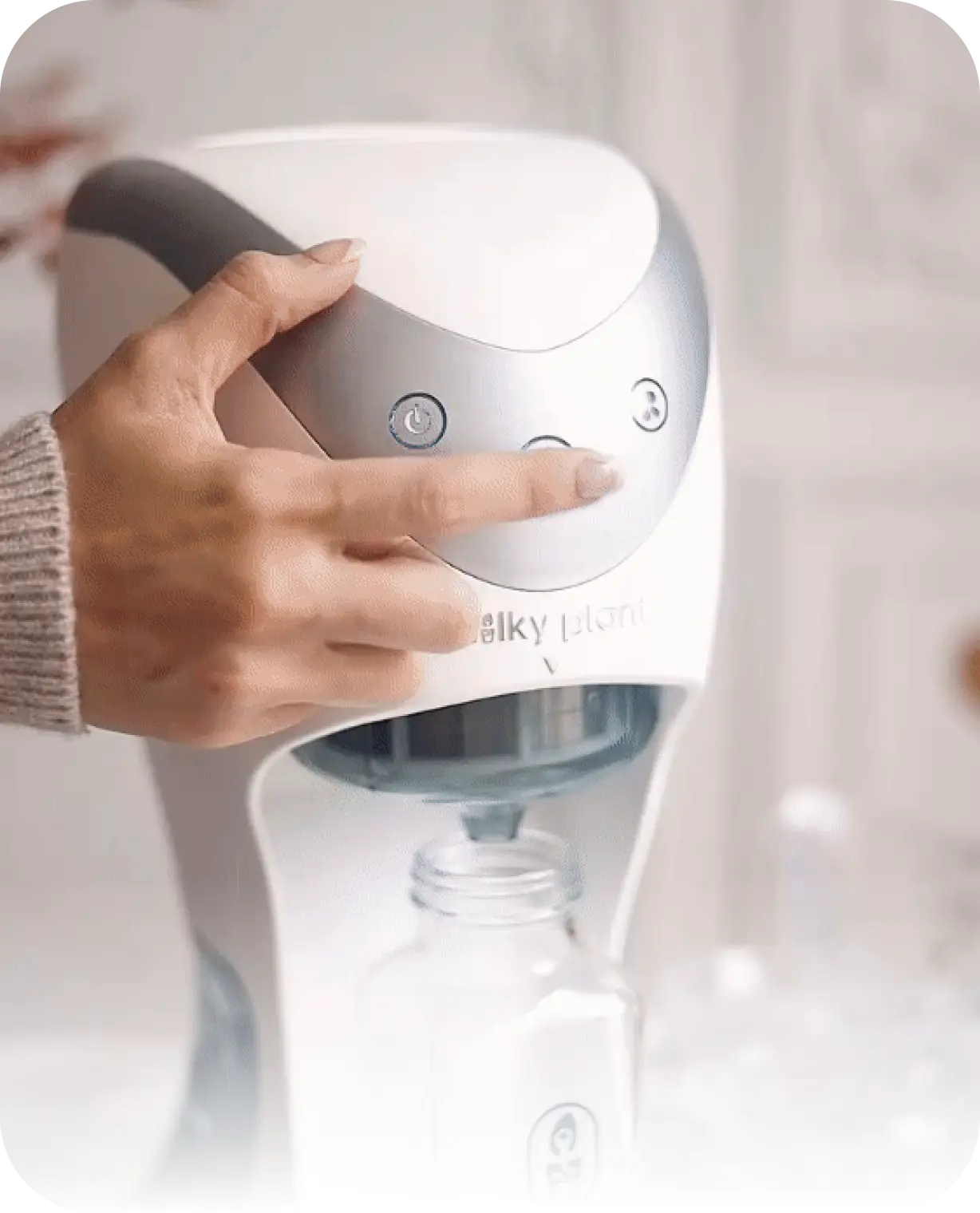
The Watery is a compact countertop reverse osmosis purifier designed to sit right next to your sink. No plumber required, no permanent installation - just clean, filtered water on demand.
In summer especially, the difference is noticeable from the first glass. No chlorine aftertaste. No earthy smell. Just water that actually makes you want to drink more of it.
And staying properly hydrated in hot weather matters. When water tastes good, you drink more of it - it really is that simple.
Quick tips to improve tap water taste in summer
If you're not yet using a filter, here are a few things that can help in the short term:
- Let your tap run for 30–60 seconds before filling your glass, especially in the morning - this flushes out water that's been sitting in warm pipes overnight
- Chill your water in a jug in the fridge - cold temperature masks off-flavours and slows chlorine off-gassing
- Use a basic carbon filter jug as a minimum - it won't remove everything but it does reduce chlorine taste significantly
- Avoid plastic bottles stored in the sun - heat causes plastics to leach compounds into the water
That said, none of these get close to what a reverse osmosis system can do for your water quality.
Summer tap water tastes different because heat, algae, pipes, and chlorine chemistry all work against you at the same time. It's not a sign that your water is dangerous - but it is a sign that what comes out of your tap isn't quite as good as it could be.
The Watery exists to fix exactly that. Year-round, glass after glass.