


The heating's on, the evenings are drawing in, and the kettle has quietly become the hardest-working appliance in the house. Autumn is tea season. For a lot of us, it's also the season we start noticing the little things that make a cuppa feel slightly off: a dull, flat taste, a cloudy film on the surface, a crust building up inside the kettle.
It's easy to blame the teabags. Usually, though, the real culprit is the thing that makes up more than 99% of your mug: the water.
Your tea is mostly water, so water quality matters
Tea leaves bring the flavour, but water does the work of pulling it out. What's dissolved in your tap water (minerals, chlorine, and whatever it picks up from the pipes) decides how much of that flavour ends up in your cup, and what it tastes like when it gets there.
Two things make the biggest difference: hardness and chlorine.
Hard water: the chalky kettle and the film on your tea
Much of England, including London and the South East, has hard water. That means it carries high levels of dissolved calcium and magnesium. You can see it in the white limescale that builds up in kettles, on taps and around shower screens.
In tea, hard water causes two problems.
It dulls the flavour. High mineral content can mute the brighter, more delicate notes in tea. It can leave black tea tasting flat and a bit muddy instead of rich and brisk.
It creates that film on top. The thin, oily-looking skin that forms on a cup of tea isn't dirt. It forms when calcium carbonate from hard water reacts with natural compounds in the tea. The harder your water, the more of that film you'll see, and the more it clings to the side of your mug.
Chlorine: the taste you notice without realising
Water companies add chlorine and chloramine to keep tap water safe to drink, and they do an important job. Heat, though, can make their taste and smell more noticeable. A slightly "swimming pool" note in your tea is an easy thing to put down to a bad batch of teabags when the cause is really coming from the tap.
How to make a better cup at home
A few small habits make a noticeable difference.
Start with filtered water. Taking out chlorine and excess minerals before the water hits the kettle is the single biggest upgrade you can make to your tea. It also means far less limescale, so your kettle lasts longer and needs descaling much less often.
Use freshly drawn water. Water that's been boiled over and over tastes flatter, so empty the kettle and refill it each time.
Match the temperature to the tea. Black and herbal teas like water just off the boil. Green and white teas prefer it cooler, roughly 70–80°C, so let the kettle sit for a few minutes before pouring. Hotter water scalds delicate leaves and makes them bitter.
Give it time. Most black teas need three to five minutes to reach full flavour. A quick dunk and squeeze of the bag releases bitterness faster than flavour.
Where The Watery comes in
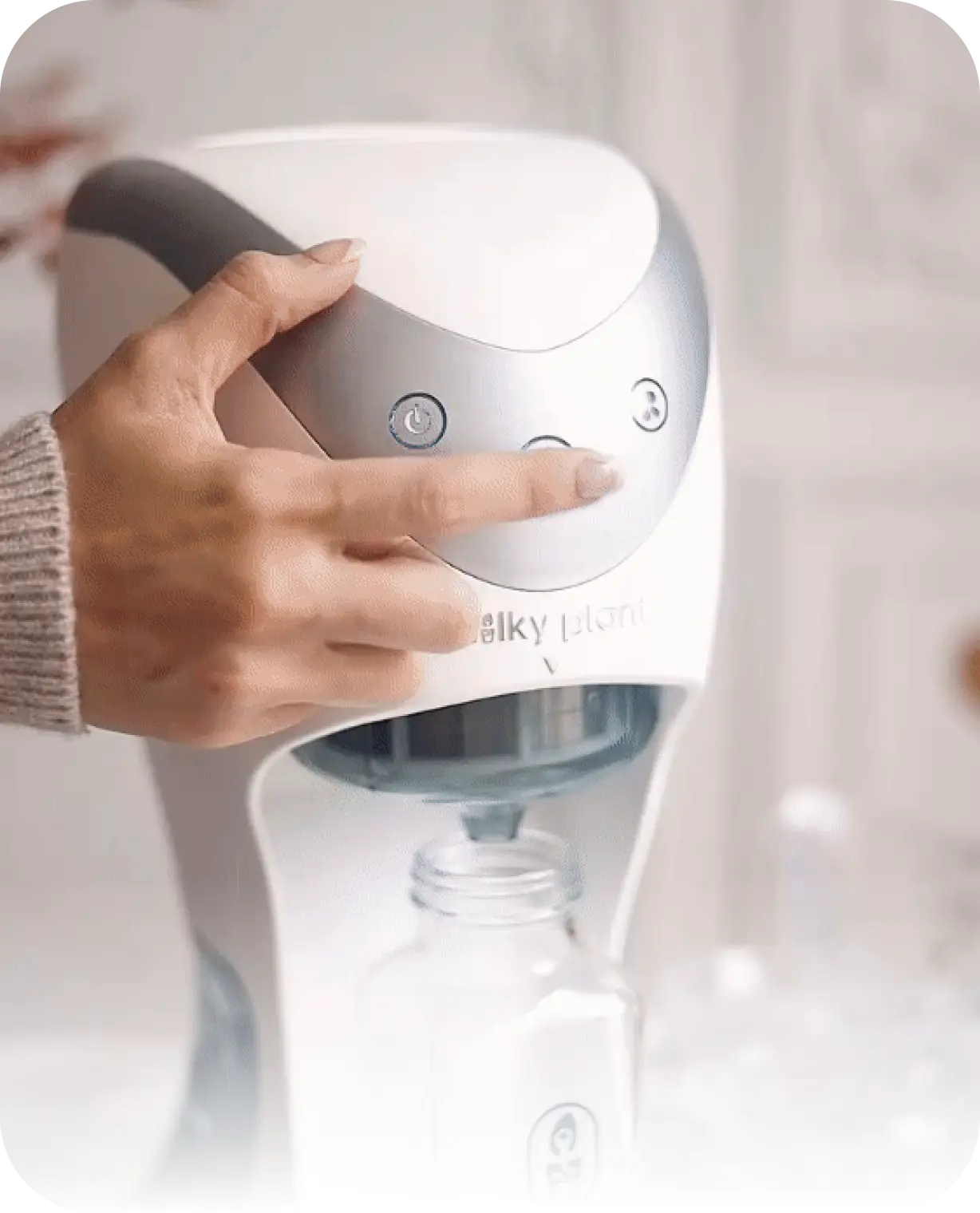
The Watery is Milky Plant's countertop reverse osmosis filter. It's designed to remove the chlorine, excess minerals and other impurities that change how your water tastes. There's no plumbing and no installation: fill it, and you have clean, fresh-tasting water ready for the kettle.
For tea drinkers in hard water areas, it means a cleaner, brighter brew, no film on your mug, and a kettle that stays shiny inside.
Finish it with fresh plant milk
If you take your tea with a splash of milk, the same idea applies. Most carton plant milks are made to last months on a shelf, so they often come with oils, gums and stabilisers. Those can split in hot tea or leave a slightly processed aftertaste.
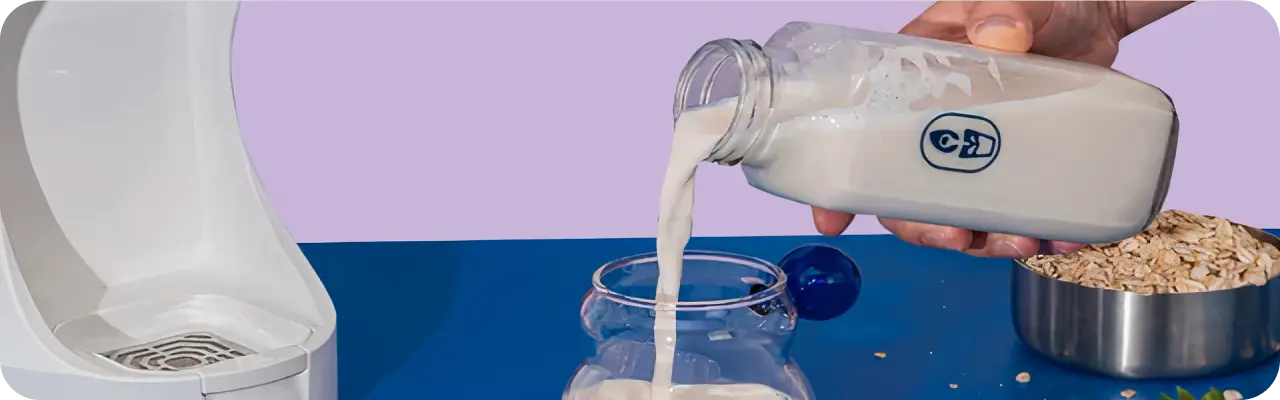
Fresh homemade oat milk is lighter and naturally sweet, and it blends into a cup of tea without fighting the flavour. With Milky Plant Plus, you add your oats, pour in water and press a button. You have fresh milk in minutes, with no soaking, no straining and no nut bag.
Try it: make a batch of oat milk with filtered water from The Watery. Then warm a cup with a cinnamon stick, a few crushed cardamom pods and a slice of fresh ginger. Brew a strong black tea, pour the spiced milk over it, and you have a cosy homemade chai for autumn evenings.
A great cup of tea isn't only about the leaves. If your tea tastes flat, grows a film on top, or your kettle is furred with limescale, your water is the place to start. Clean, filtered water and fresh plant milk make the difference.
So put the kettle on and make this autumn's cuppa the best one yet.