






You've dialed in your skincare routine. Double cleanse, serum, moisturizer, SPF - the works. So why does your skin still feel tight, dull, or unusually reactive right now?
The answer might not be in your medicine cabinet at all. It might be coming out of your tap.
Your Water Changes More Than You Think, Especially Right Now
Tap water isn't a fixed, unchanging thing. It shifts with the seasons - and late summer is one of its most volatile stretches.
As reservoirs and surface water sources warm up through the summer, conditions become ideal for algae growth. To keep water safe as it travels through the distribution system, many municipal treatment plants respond by increasing chlorine or chloramine levels during the warmer months. That's part of why tap water can taste or smell slightly different - more "chlorine-forward" - in August than it does in January.
At the same time, evaporation can concentrate whatever else is already in the water supply, and higher demand from irrigation and cooling can add extra strain on treatment systems. None of this typically makes water unsafe by regulatory standards. But "compliant" and "gentle on your skin" aren't the same thing.
What's Actually Landing on Your Face
A few of the usual suspects in tap water, especially this time of year:
- Chlorine and chloramine - added deliberately as disinfectants, and often present at slightly higher levels in summer
- Hard water minerals - calcium and magnesium, which can leave a residue that sits on skin after rinsing
- Heavy metals, microplastics, and trace contaminants - depending on your local water source and infrastructure
Individually, these are usually framed as a "water quality" issue. But your skin touches this water every single day - when you wash your face, shower, or even just splash water on before applying serum.
Over time, repeated exposure to chlorine and mineral residue is commonly linked to a few things people notice but don't always trace back to their water:
- A tight, stripped feeling after washing
- Skin that seems to shrug off moisturizer instead of absorbing it
- More visible dryness or flaking, even with a consistent routine
- A general sense that products just aren't "working" the way they used to
This isn't about your cleanser or your serum failing you. It's about what's already reducing irritants and residue before your skincare even gets a chance to do its job - or in this case, what's failing to do that.
Why This Matters More As Summer Winds Down
There's a bit of a compounding effect happening right now. Chlorine exposure from swimming, sun exposure, and sweat have already put a lot of stress on skin's natural barrier over the summer months. Add water that's carrying more disinfectant than usual, and your skin is dealing with input from multiple directions at once - right as everyone starts thinking about "resetting" their routine for fall.
If your skincare feels like it's working against you lately, it's worth looking upstream, literally, before assuming the products are the problem.
Filtering the Water Before It Touches Your Skin
This is where a lot of people stop at drinking water filtration and never think about the water they're washing with - even though it touches their skin far more often than it touches their glass.
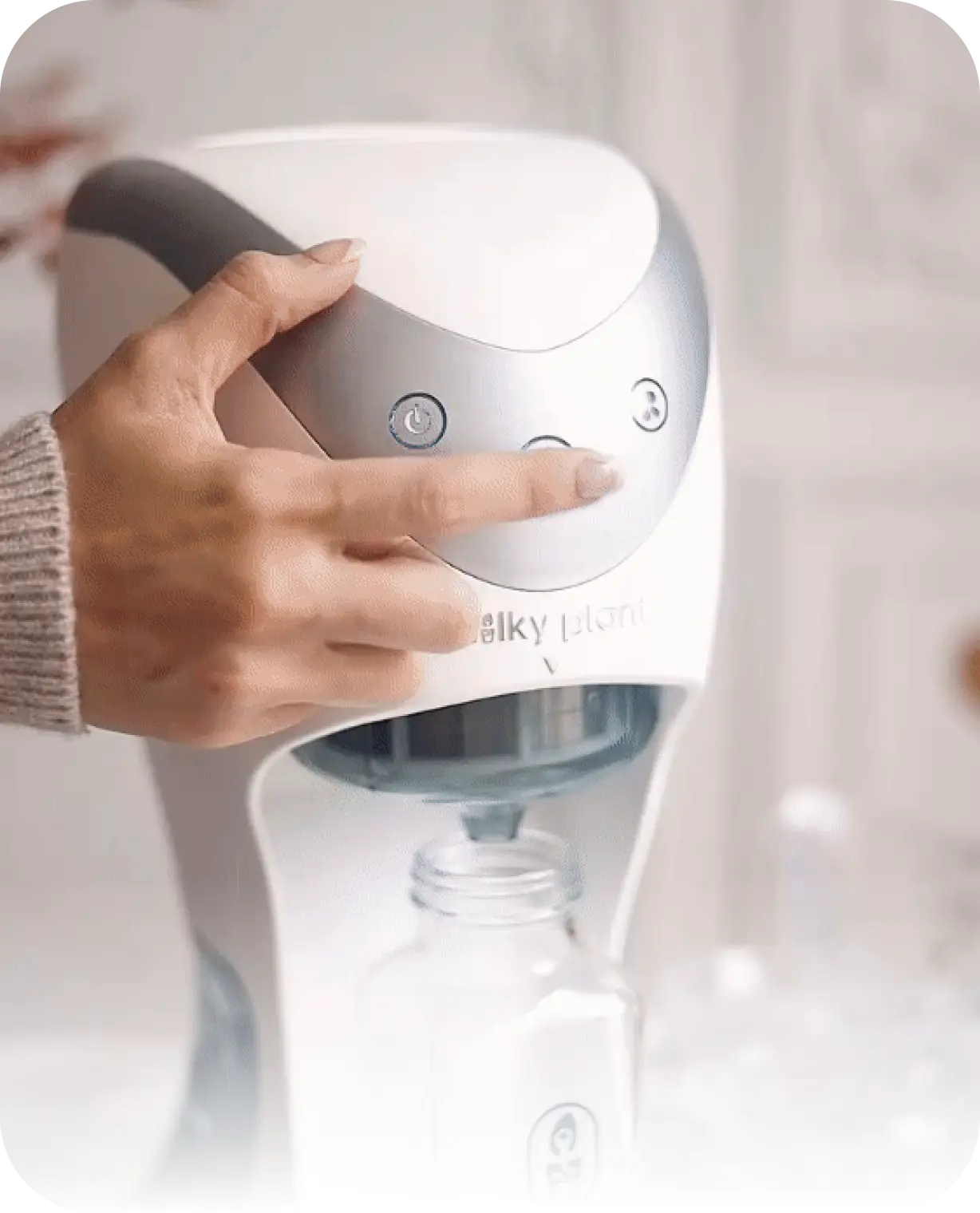
The Watery uses a 4-stage reverse osmosis filtration process, capable of removing impurities as small as 0.001 microns. It's built to filter out fluoride, heavy metals, microplastics, and other residue-forming impurities before that water ever becomes part of your routine - while a mineral-restoring stage adds calcium and magnesium back in a way that supports better taste and quality, rather than the kind of mineral buildup that leaves skin feeling filmy.
It sits on your countertop with no installation required, has a 5L storage tank so you're not refilling constantly, and includes a real-time water quality sensor so you can actually see what's happening with your water rather than guessing.
Using filtered water for your skincare routine - from washing your face to mixing in a spritz of toner - is a small shift, but it addresses something upstream of every single product you're already using.
Your routine might be fine. Your water might be the variable you haven't accounted for yet. This time of year especially, tap water is doing more than usual behind the scenes - and your skin is on the receiving end of it, every day, whether you notice it or not.