






Water is essential for life, yet the way we access it has a significant environmental impact. Over the past few decades, bottled water consumption has surged worldwide, often marketed as a convenient and “cleaner” alternative to tap water. However, scientific research increasingly shows that relying on bottled water comes with serious environmental consequences. In contrast, modern water filtration systems offer a more sustainable and environmentally responsible solution.
Let’s explore what scientific data reveals about the environmental impact of bottled water compared to filtration.
The Rapid Rise of Bottled Water Consumption
Global bottled water consumption has grown dramatically in the last two decades. According to research published in Nature Sustainability, the global bottled water market exceeded 270 billion liters annually, and demand continues to grow.
While bottled water may appear harmless, its environmental footprint begins long before the bottle reaches a store shelf. From plastic production and water extraction to transportation and waste management, the entire lifecycle of bottled water places a heavy burden on the environment.
Plastic Production and Resource Use
Most bottled water is packaged in polyethylene terephthalate (PET) plastic. Producing this plastic requires significant amounts of fossil fuels and energy.
A study from the Pacific Institute found that manufacturing plastic bottles for water consumed in the United States alone requires more than 17 million barrels of oil annually. This amount of oil could fuel over a million cars for a year.
Additionally, producing bottled water requires far more water than what ends up in the bottle. Research estimates that up to three liters of water may be used to produce one liter of bottled water when considering the full production process.
This means bottled water contributes not only to plastic pollution but also to inefficient water resource use.
Plastic Waste and Environmental Pollution
One of the most visible environmental consequences of bottled water is plastic waste. Although PET bottles are technically recyclable, recycling rates remain relatively low worldwide.
According to the United Nations Environment Programme, millions of plastic bottles end up in landfills or the natural environment every year. Once discarded, plastic bottles can take hundreds of years to decompose, breaking down into microplastics that contaminate soil, rivers, and oceans.
Scientific studies have also found microplastics in marine ecosystems, drinking water, and even human bodies, highlighting the long-term environmental and health concerns associated with plastic waste.
Carbon Footprint and Transportation
Bottled water also carries a significant carbon footprint due to transportation and distribution. Water is often transported over long distances from bottling facilities to retail locations, sometimes across countries or continents.
Research published in Environmental Research Letters shows that bottled water can have a carbon footprint up to 1,000 times higher than tap water due to packaging production, bottling processes, and transportation emissions.
This means that a simple habit like purchasing bottled water regularly can significantly increase an individual’s environmental impact.
The Sustainability Advantage of Water Filtration
Water filtration systems provide a far more sustainable way to access clean drinking water. Instead of relying on single-use plastic bottles, filtration systems allow households to purify tap water directly at home.
From an environmental perspective, filtration systems offer several key benefits:
1. Reduced Plastic Waste
Using filtered tap water eliminates the need for disposable plastic bottles, dramatically reducing plastic waste.
2. Lower Carbon Footprint
Filtration systems require minimal energy compared to the full lifecycle of bottled water production and transportation.
3. Efficient Use of Resources
Tap water infrastructure already exists in most developed countries, meaning filtration simply improves the quality of water that is already available.
Studies comparing bottled water and tap water systems consistently highlight the environmental advantages of filtration.
Research from the University of Barcelona and the Institute for Global Health (ISGlobal) found that the environmental impact of bottled water can be up to 3,500 times higher than tap water when considering resource depletion and ecosystem damage.
The study concluded that improving tap water treatment and filtration technologies represents one of the most effective ways to reduce environmental harm while maintaining access to safe drinking water.
A Shift Toward Sustainable Hydration
As awareness of plastic pollution and climate change grows, more households are turning toward filtration systems as a sustainable alternative.
Modern filtration technologies are capable of removing a wide range of contaminants, including heavy metals, chlorine, pesticides, and microplastics, while also improving taste and mineral balance. This makes filtered tap water both environmentally responsible and highly convenient for everyday hydration.
Scientific evidence clearly shows that bottled water carries a significant environmental cost. From plastic production and fossil fuel use to transportation emissions and long-term pollution, the environmental footprint of bottled water is far greater than most consumers realize.
Water filtration offers a practical and sustainable alternative. By purifying tap water at home, households can reduce plastic waste, lower their carbon footprint, and make better use of existing water resources.
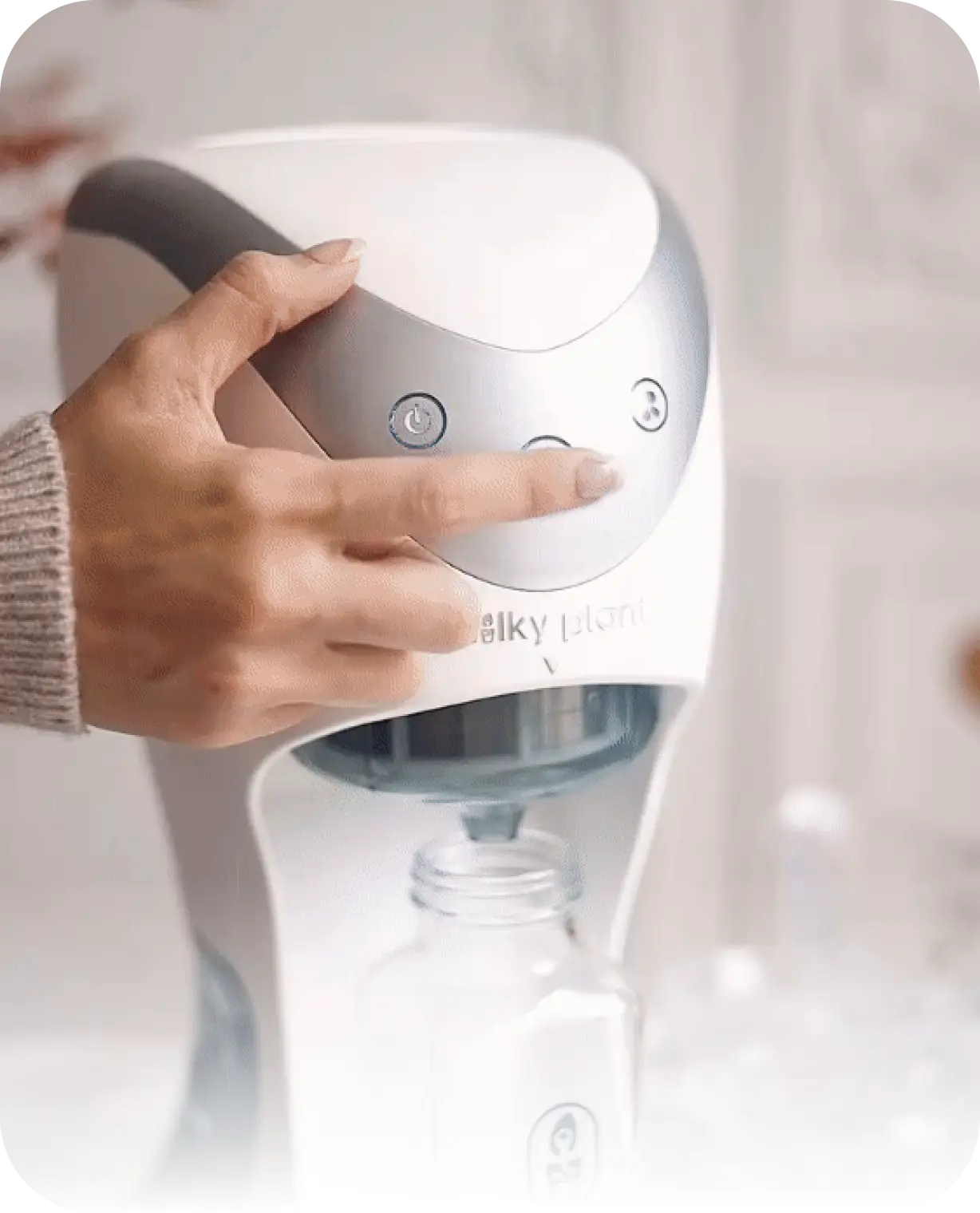
Innovative filtration systems such as The Watery make it easier than ever to access clean, great-tasting water directly from the tap. By choosing filtration over bottled water, individuals can support both their health and the health of the planet.