





When the temperature drops, most of us think about immunity in terms of vitamin C, extra sleep, and bundling up before heading outside. But there's a daily ritual that quietly plays a bigger role in your skin's defenses than you might expect: your shower.
Skin isn't just a covering - it's your body's first line of immune defense. And during cold season, that defense line is under more stress than usual.
Cold Weather Already Puts Your Skin's Barrier at Risk
Low humidity, indoor heating, and harsh winds strip moisture from the outer layer of skin faster than it can be replenished. This weakens what's known as the skin barrier - a thin layer of lipids and natural oils that keeps moisture in and irritants, allergens, and microbes out.
A compromised skin barrier doesn't just mean dryness and flaking. It means your skin is less able to do its job as a physical shield, which is part of why colds, sensitivities, and skin flare-ups tend to cluster in winter months.
Where Water Quality Comes In
This is where the water itself becomes relevant - and not just the water you drink.
Pure or filtered water tends to be gentler on skin. It's free of the chlorine, chloramine, and mineral buildup found in most municipal tap water, all of which can further disrupt an already-stressed skin barrier.
Hard or heavily treated shower water, on the other hand, can compound the problem in a few specific ways:
- Chlorine and chloramine strip away the skin's natural oils, the same oils your barrier depends on to retain moisture during dry winter air.
- Mineral deposits from hard water can leave a residue on skin that clogs pores and prevents moisturizers from absorbing properly.
- Hot water, which many of us rely on more in winter, opens pores and accelerates moisture loss - and when that hot water is also chemically treated, the drying effect is doubled.
Over time, this cocktail of dryness, residue, and barrier disruption can shift the skin's microbiome - the balance of beneficial bacteria living on its surface. A healthy microbiome is now understood to play a meaningful supporting role in skin's local immune response. Disrupt it repeatedly, and skin becomes more reactive, more prone to irritation, and slower to recover from the environmental stress that cold weather already brings.
Simple Habits That Help in the Meantime
While filtering your shower water is one of the most direct changes you can make, a few habits support skin resilience during the colder months too:
- Keep showers warm rather than hot, and shorter where possible
- Moisturize within a few minutes of stepping out, while skin is still slightly damp
- Choose gentle, fragrance-light cleansers that don't strip natural oils
- Stay hydrated - what you drink still matters alongside what touches your skin
The Missing Piece: What's Actually Coming Out of Your Showerhead
Most winter skincare routines focus on what you apply after the shower - serums, creams, oils. Far fewer people think about the water itself, even though skin is exposed to it, unfiltered, every single day.
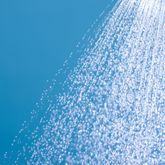
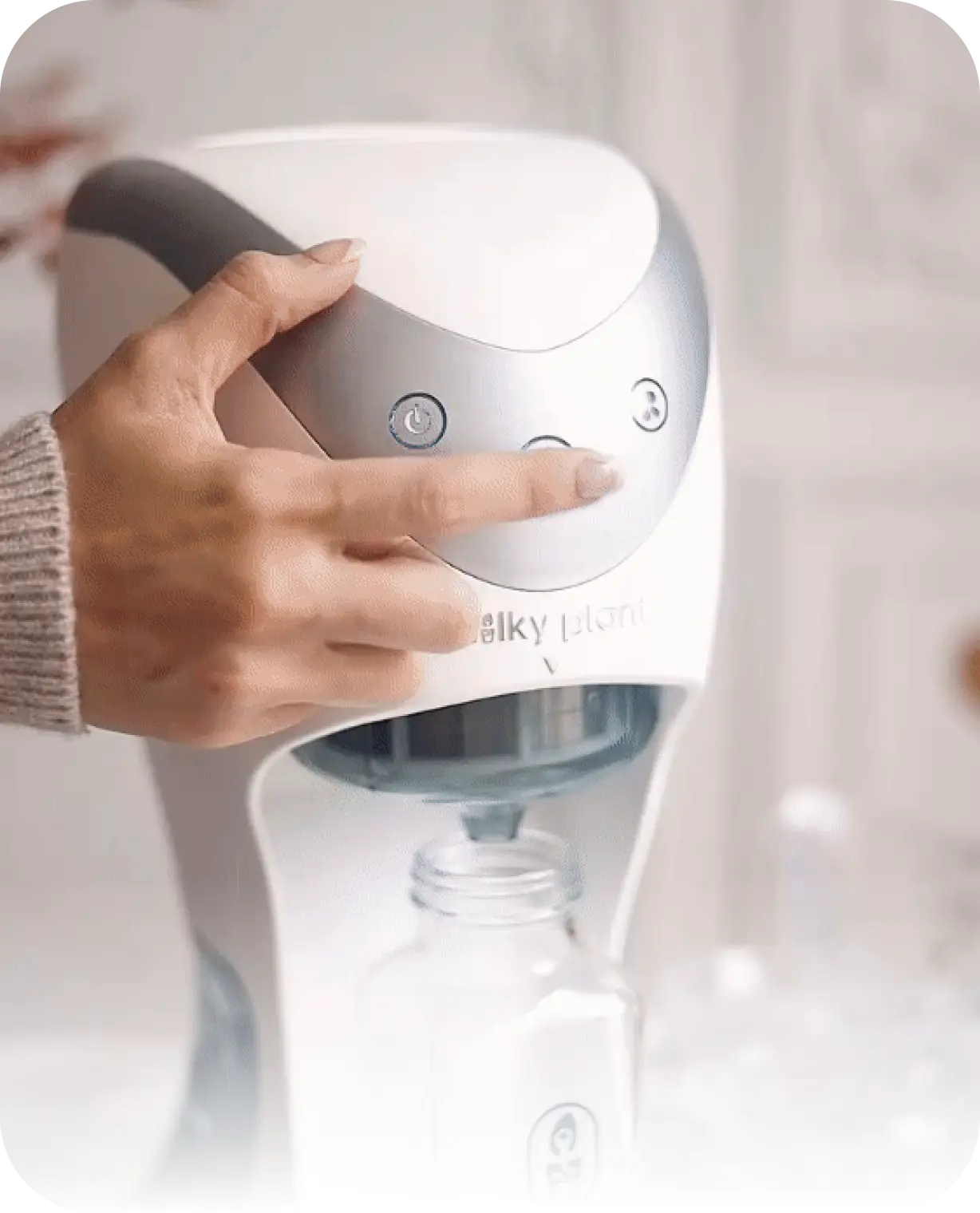
That's the gap Milky Plant's The ShowerT is designed to close. By filtering out chlorine, chloramine, and mineral buildup before the water ever reaches your skin, the ShowerT helps preserve the natural oils your barrier needs most during cold season - turning a daily habit you already have into one that actively supports your skin, rather than working against it.
This winter, your immunity routine doesn't have to stop at what you eat or how you dress. Sometimes the most overlooked upgrade is the one running down the drain every morning.