




As temperatures across the UK break records this summer, most of us are thinking about staying cool, drinking more water, and keeping our families hydrated. But very few people are asking a more important question: is the water coming out of your tap actually safe to drink when it gets this hot?
The answer, according to a growing body of scientific research, is more complicated than your water company would like you to think.
What Happens to Tap Water in a Heatwave
1. Higher Temperatures Mean More Bacteria
A 2019 study published in Water Research found that elevated ambient temperatures significantly increase microbial activity in drinking water distribution systems. In simple terms: warm weather accelerates the growth of bacteria inside the pipes that carry water to your home.
The UK's aging water infrastructure - much of which dates back to the Victorian era - is particularly vulnerable. When pipe temperatures rise, chlorine (the disinfectant added to tap water) dissipates faster, meaning the water reaching your tap may have less protection against bacterial contamination than it does in winter.
2. Heavy Metals Leach More in Warm Water
Research published in Environmental Science & Technology has consistently shown that lead and copper leach from pipes at higher rates when water temperatures increase. The UK has an estimated 4 million lead pipes still in use - many in older homes. During a heatwave, the risk of heavy metal contamination in tap water rises measurably.
The NHS advises running your tap for at least 30 seconds before drinking during hot weather for this exact reason. Most people don't know this, and most people don't do it.
3. Microplastics Are Present Year-Round - But Summer Makes It Worse
A 2021 study in Nature Geoscience confirmed that microplastics are present in tap water supplies across Europe, including the UK. While seasonal variation in microplastic concentration is still being studied, researchers have found that higher water temperatures cause plastic pipes to degrade faster, potentially releasing more microplastic particles into the water supply.
4. Nitrates from Agricultural Runoff Spike After Heavy Rain
UK summers often alternate between extreme heat and sudden heavy rainfall. This rainfall pattern increases agricultural runoff, which can raise nitrate levels in groundwater. The UK Drinking Water Inspectorate (DWI) monitors nitrate levels, but elevated levels in rural areas are a documented concern - particularly for households with young children or infants, for whom high nitrate exposure carries specific health risks.
What Your Water Company Doesn't Tell You
The UK water industry is legally required to meet the standards set by the Drinking Water Regulations 2010, which are based on EU directives. Water that meets these standards is considered "safe" - but "safe" is not the same as "pure."
Tap water that passes regulatory testing can still contain:
- Chlorine and chloramines - added deliberately as disinfectants, but linked to the formation of disinfection by-products (DBPs) that some studies associate with long-term health risks
- Traces of pharmaceutical compounds - including hormones, antibiotics, and antidepressants, which water treatment plants are not fully equipped to remove
- PFAS (forever chemicals) - a class of industrial compounds now found in water supplies globally, including in the UK, with no established safe level of exposure
- Limescale and excess minerals - particularly in hard water areas like London, the South East, and East Anglia, which cover the majority of the UK population
The Case for Reverse Osmosis in Summer
Reverse osmosis (RO) is the gold standard of water filtration. Unlike carbon filters or jug filters, which remove some contaminants, RO systems push water through a semi-permeable membrane that physically blocks particles as small as 0.0001 microns.
According to the Water Quality Association, reverse osmosis removes:
- Up to 99% of heavy metals including lead, copper, and arsenic
- Up to 99% of nitrates
- Chlorine and chloramines
- Microplastics
- PFAS compounds
- Bacteria and viruses
This level of filtration remains consistent regardless of ambient temperature - which is precisely why RO systems become more valuable during a heatwave, when tap water quality is most likely to be compromised.
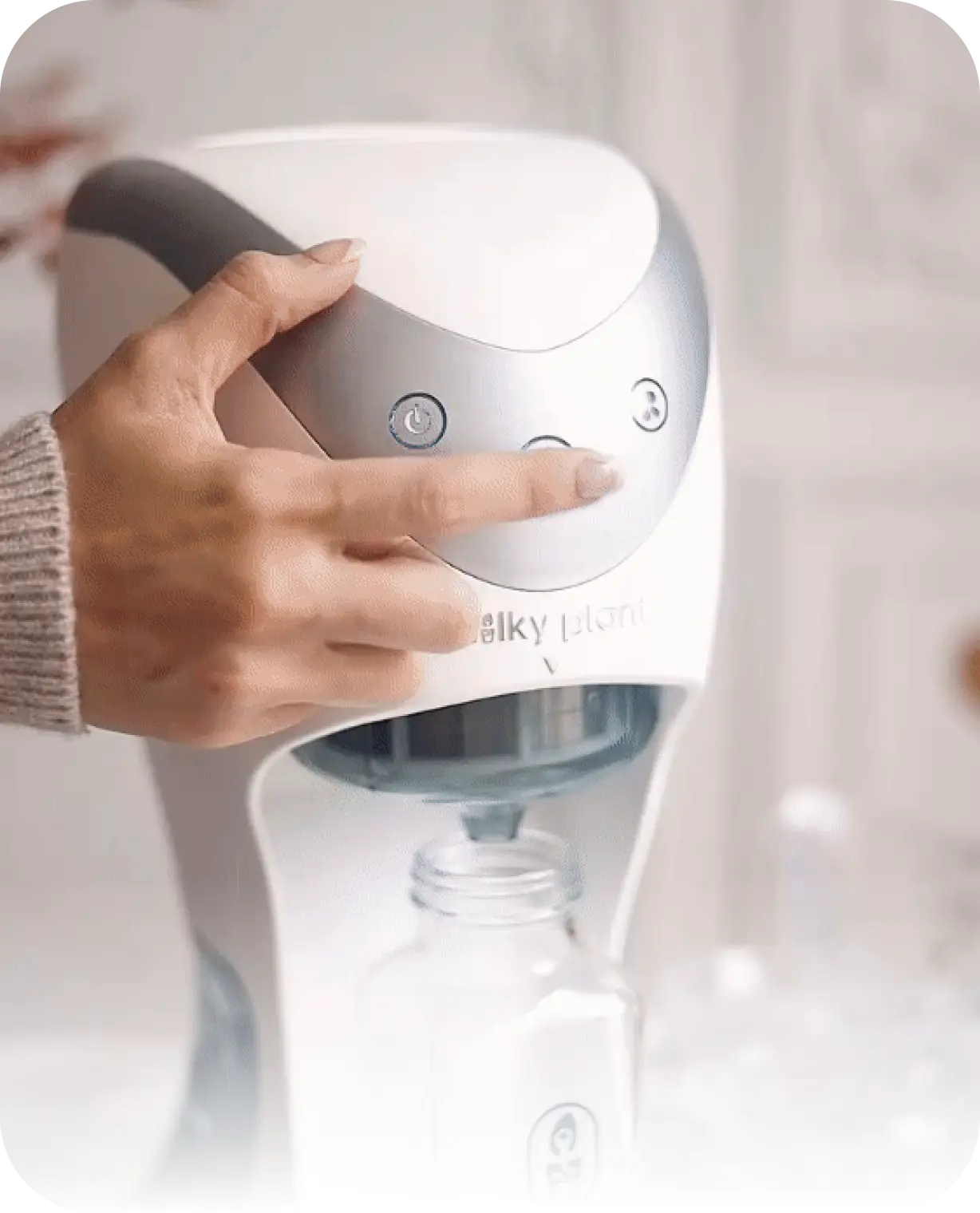
Until recently, reverse osmosis filtration required professional installation under the sink, significant upfront cost, and ongoing maintenance. The Watery changes that entirely.
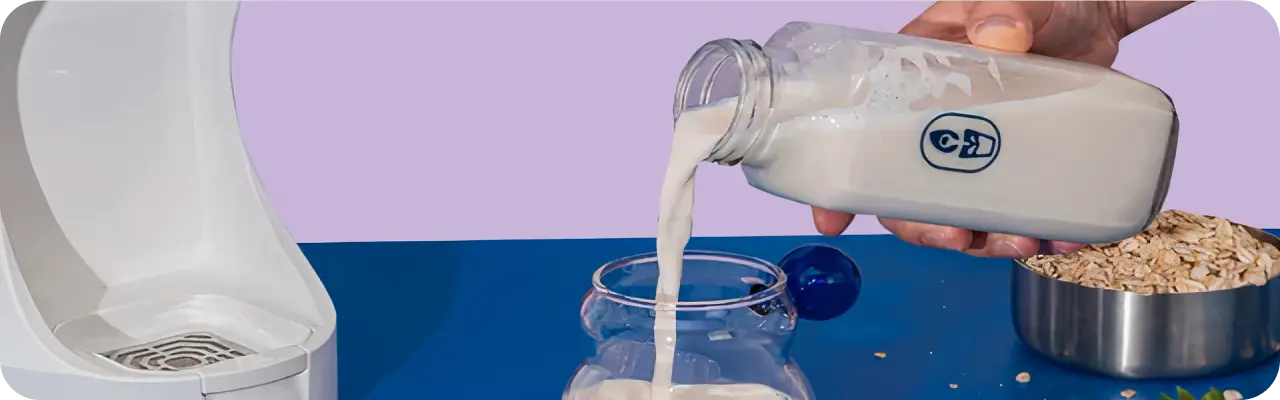
Designed to sit directly on your countertop with no installation required, The Watery delivers hospital-grade reverse osmosis filtration in seconds - including instant hot water up to 100°C on demand, remineralised with calcium and magnesium after filtration to restore the natural mineral balance your body needs.
At approximately €0.05 per litre, it costs less than a twentieth of bottled water - and unlike bottled water, it doesn't come wrapped in plastic that contributes to the very microplastic problem you're trying to avoid.
Summer in the UK is no longer just about sunscreen and barbecues. With heatwaves becoming more frequent and more intense, the question of water quality is one that every household should be taking seriously.
The science is clear: high temperatures compromise tap water quality in ways that standard treatment cannot fully prevent. Reverse osmosis filtration is the most effective solution currently available - and with countertop systems like The Watery, it has never been more accessible.
Stay cool. Stay hydrated. And make sure what you're drinking is actually clean.