



It's one of those questions most people assume they already know the answer to. Tap water in Europe is safe. The regulations are strict. The treatment plants are modern. You can drink it without thinking twice.
But the picture that emerges from the latest scientific data, regulatory reports, and independent testing is considerably more complicated than that - and considerably more relevant to your daily health than most people realise.
Here is what the evidence actually says about tap water safety across Europe in 2026.
The Regulatory Framework: What "Safe" Actually Means
Tap water across the EU and UK is governed by the Drinking Water Directive, which sets maximum contaminant levels (MCLs) for hundreds of substances. Water that falls within these limits is legally classified as safe to drink.
This is important context for everything that follows: "safe" in a regulatory sense means below the threshold at which harm has been demonstrated in controlled studies. It does not mean "pure." It does not mean "free of contaminants." And the thresholds themselves are subject to ongoing scientific debate - particularly as research into low-dose chronic exposure to multiple contaminants simultaneously becomes more sophisticated.
With that in mind, here is what independent testing and government data are showing across Europe right now.
The United Kingdom
The UK's Drinking Water Inspectorate (DWI) publishes annual reports on tap water quality across England and Wales. The headline figures are reassuring: 99.97% of tests pass regulatory standards.
But the details tell a more nuanced story.
Lead: The UK has an estimated 4 million lead service pipes still in use, predominantly in homes built before 1970. Lead leaches into water - particularly during warm weather and in soft water areas - and there is no safe level of lead exposure according to the World Health Organisation. The government has committed to replacing lead pipes by 2038, but millions of households are still drinking water that passes through lead infrastructure every day.
PFAS (forever chemicals): A 2023 report by the Environmental Working Group found PFAS contamination in water supplies serving millions of people across the UK. These synthetic compounds - used in non-stick cookware, food packaging, and firefighting foam - do not break down in the environment or in the human body. The UK has set interim guideline values, but campaigners argue these are still too high.
Microplastics: Research published in 2022 found microplastics in 72% of tap water samples tested across England. The health implications of long-term microplastic ingestion are still being studied, but early research suggests links to inflammation, hormonal disruption, and cellular damage.
Chlorine and disinfection by-products: Chlorine is added to UK tap water as a disinfectant - necessary and effective, but not without consequence. Chlorine reacts with naturally occurring organic matter to form disinfection by-products (DBPs) including trihalomethanes (THMs), some of which are classified as possible human carcinogens.
France
France's tap water is generally considered among the better quality in Europe, but a landmark 2023 investigation by French environmental organisations found that over 20% of the French population was served by water containing pesticide levels above the regulatory limit.
Agricultural France - which accounts for a significant proportion of the country - faces persistent challenges with nitrate and pesticide runoff into groundwater. The Brittany region, one of France's most intensively farmed areas, has struggled with nitrate levels in water supplies for decades.
PFAS contamination is also a growing concern in France, with the Seine and Rhône river basins showing elevated levels in some areas.
Spain
Spain presents a mixed picture. Urban water supplies in Madrid, Barcelona, and Valencia are generally well-treated and meet regulatory standards. But Spain has significant hard water challenges - particularly in the south and east of the country - with high calcium and magnesium levels that, while not harmful, affect taste dramatically and cause scale buildup in appliances.
More concerning is the situation in agricultural regions. A 2024 study by the Spanish National Research Council found elevated nitrate levels in groundwater across large areas of Murcia, Valencia, and Castilla-La Mancha - regions that supply water to millions of people. Nitrates are particularly concerning for infants, in whom high exposure can cause a condition called methaemoglobinaemia.
Microplastic contamination has also been documented in Spanish tap water, particularly in coastal cities.
Italy
Italy has some of the most variable tap water quality in Europe. Northern Italian cities - Milan, Turin, Bologna - have well-maintained infrastructure and generally good water quality. Southern Italy and the islands present a more complicated picture, with aging infrastructure, higher rates of non-compliance with regulatory standards, and areas where locals are advised not to drink the tap water at all.
Lead contamination from old pipes is a documented concern in Rome and other historic Italian cities with ancient water infrastructure. PFAS contamination in the Veneto region - linked to a major industrial polluter - became a significant public health scandal in recent years, affecting hundreds of thousands of people.
What All European Countries Have in Common
Despite the regional variations, certain contaminants are present in tap water across virtually all European countries regardless of local water quality:
Microplastics - present in water sources across the continent, not fully removed by standard treatment.
Pharmaceutical compounds - including hormones, antibiotics, and antidepressants, which pass through human bodies, enter wastewater, and are not completely eliminated by conventional water treatment. A 2022 study found traces of pharmaceutical compounds in rivers across 104 countries, with European rivers showing particularly high levels.
Chlorine and its by-products - used universally as a disinfectant, creating DBPs that affect both taste and, in the long term, potentially health.
PFAS - now found in water supplies globally, including across Europe, with no fully established safe level and limited current capacity to remove them through standard treatment.
What Reverse Osmosis Actually Removes
Standard water treatment - the kind used by municipal water companies across Europe - was designed primarily to remove biological contamination: bacteria, viruses, and parasites. It does this effectively.
What it was not designed to remove - and does not reliably remove - is the range of chemical contaminants that have become increasingly prevalent in water sources over the past 50 years: PFAS, pharmaceutical compounds, microplastics, and industrial chemicals.
Reverse osmosis filtration works differently. Water is forced through a semi-permeable membrane with pores as small as 0.0001 microns - small enough to physically block:
- Up to 99% of heavy metals including lead, copper, and arsenic
- Up to 99% of nitrates
- PFAS compounds
- Microplastics
- Pharmaceutical residues
- Chlorine and disinfection by-products
- Bacteria and viruses
This is why reverse osmosis is the standard filtration method used in medical facilities, laboratories, and food production - and increasingly in homes where water quality is taken seriously.
The Practical Solution for European Households
For most European households, the choice has historically been between accepting tap water as-is, buying bottled water (expensive and environmentally damaging), or installing an under-sink reverse osmosis system (requiring professional installation and significant upfront cost).
The Watery changes that calculation entirely.
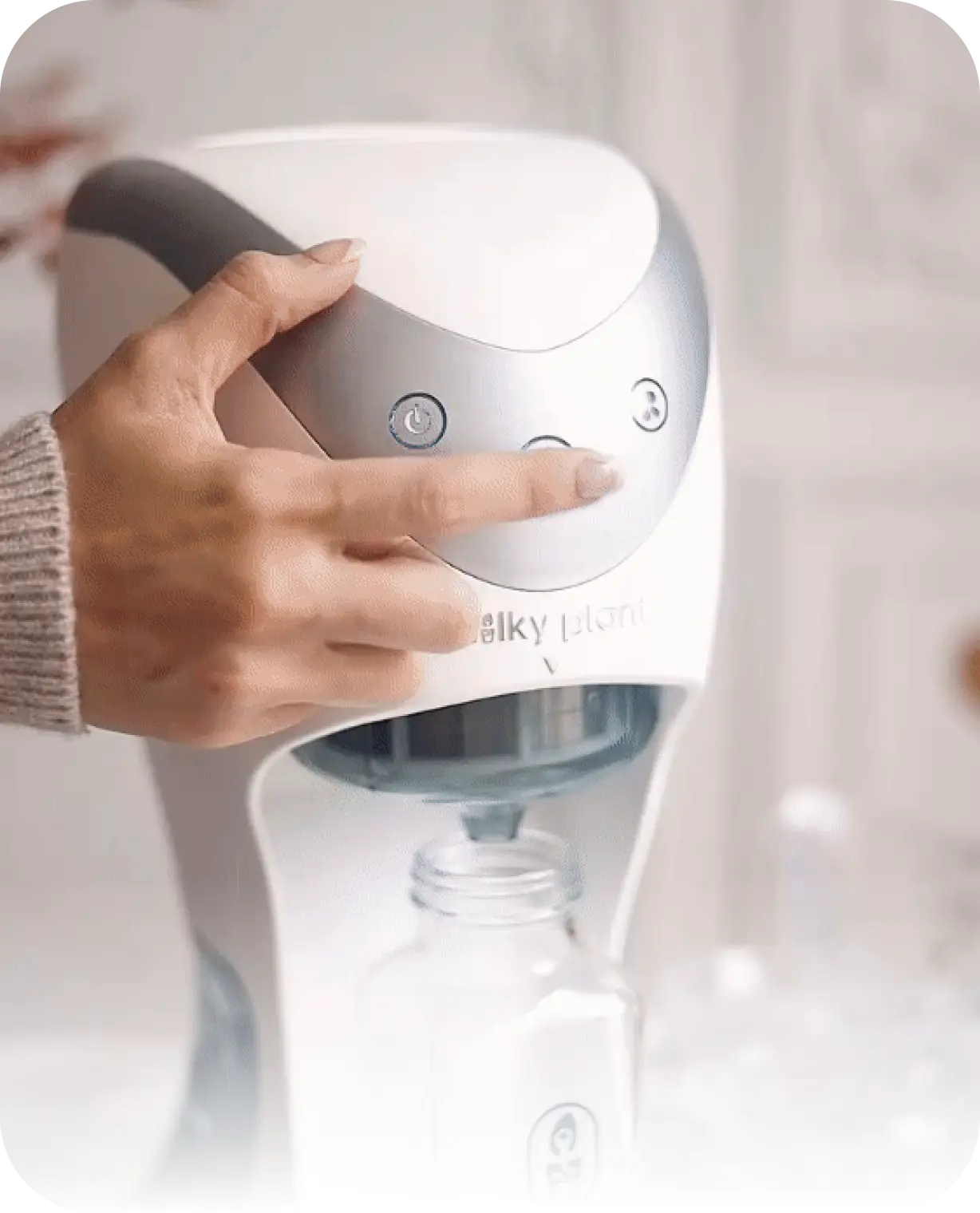
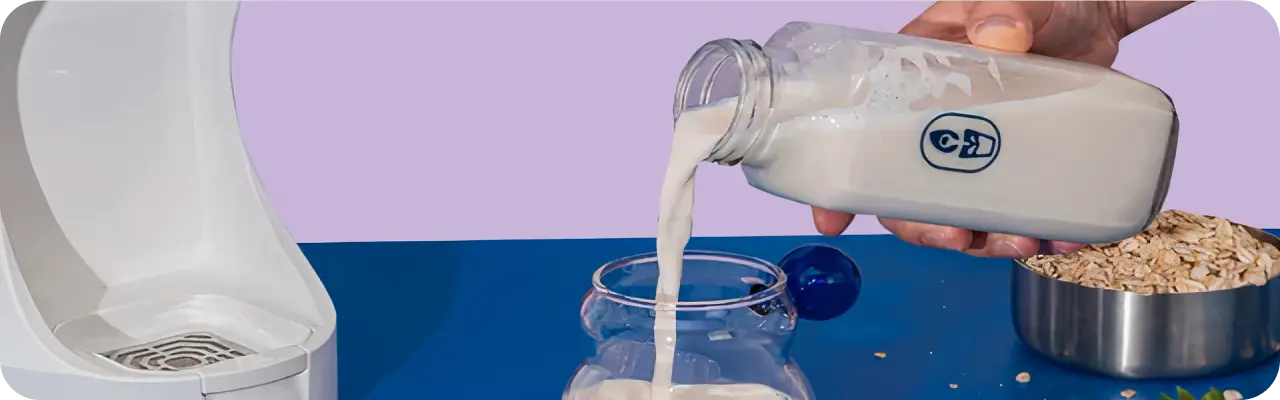
A countertop reverse osmosis system that requires no installation, no plumber, and no permanent modification to your home, The Watery delivers the same level of filtration as professional RO systems at a cost of approximately €0.05 per litre - while also providing instant hot water up to 100°C on demand, with calcium and magnesium remineralised after filtration.
The result is water that is genuinely clean - not just legally compliant - regardless of what comes out of your tap.
Is tap water in Europe safe to drink? In the narrowest regulatory sense, for most people in most places, yes.
Is it pure? No. And the gap between "safe" and "pure" - filled with microplastics, PFAS, pharmaceutical residues, chlorine by-products, and in some areas lead and nitrates - is one that more and more European households are choosing to address.
The tools to do so have never been more accessible. The evidence for doing so has never been clearer.