






Water is essential for life, it fuels every cell, supports digestion, helps regulate body temperature, and keeps our brains sharp. But when it comes to hydration, does a woman’s body really differ from a man’s? And if so, what should women do to stay optimally hydrated in daily life, workouts, or stressful moments? Let’s explore what science says.
1. Women and Daily Hydration Needs: What the Research Shows
Public health guidelines confirm that women generally require less fluid than men - but this doesn’t mean they can “drink less water and call it a day.” The differences mainly reflect body size and composition rather than a totally separate hydration physiology.
-
General fluid intake recommendations:
• Women - about 2.0 to 2.7 liters per day (from water, other drinks, and moisture in foods).
• For comparison, men’s recommended intake is ~3.7 L/d.
These figures come from major nutritional bodies like the European Food Safety Authority (EFSA) and the US Institute of Medicine (IOM), and reflect typical adult needs in temperate conditions.
2. Body Size, Composition, and Hydration Physiology
One key reason women tend to have lower total water needs is body composition:
- Women typically have higher body fat percentages and somewhat lower lean muscle mass than men.
-
Since muscle holds more water than fat, total body water as a percentage of weight is lower in women, meaning less fluid reserve and different hydration dynamics.
This doesn’t imply women are “worse” at staying hydrated - but simply that hydration strategies must consider individual physiology, not just gender averages.
3. Hormones, Thirst, and Fluid Regulation
Biology influences hydration too. A growing body of research highlights how female reproductive hormones modulate fluid balance:
- Estrogen and progesterone fluctuate throughout the menstrual cycle, and this can affect thirst signals, body fluid retention, and how the body perceives hydration needs.
-
Some studies suggest estrogen may lower the osmotic threshold for thirst and hormonal fluid regulation, meaning women might feel “less thirsty” even when the body needs fluids.
However, the overall scientific consensus is cautious: while hormones can influence fluid balance, more controlled research is needed to fully understand how this translates into everyday hydration planning.
4. Hydration and Performance: From Everyday Life to Workouts
Hydration isn’t just about how much you drink, it’s about how water affects performance and wellbeing. Studies in women show:
- Even mild dehydration (loss of ~1–2% of body water) can impair cognitive function, mood, and mental clarity.
- In women who exercise, dehydration of ~2% body water loss can also reduce strength, endurance, and coordination.
This means that staying hydrated matters not just for thirst, but for daily productivity, exercise recovery, and mental performance.
5. Practical Hydration Tips for Women
Here are evidence-based ways women can optimize hydration:
Know your baseline: Aim for 2.0–2.7 L daily from food and fluids - more during exercise, heat, illness, or hormonal shifts like pregnancy or breastfeeding.
Monitor your body: Pay attention to signs of hydration status like urine color (pale yellow is optimal) and thirst - these simple markers reflect internal balance.
Customize for activity: During prolonged workouts, electrolyte balance matters. Water alone may not fully replace lost sodium and minerals.
Consider life stages: Pregnancy and breastfeeding increase fluid needs significantly to support developing tissue and milk production.
6. How The Watery Supports Women’s Hydration Journey
If hydration influences cognitive performance, mood, circulation, temperature regulation, and cellular function, then the quality of the water we drink matters.
Tap water can contain trace contaminants such as:
- Microplastics
- Heavy metals (like lead)
- PFAS (“forever chemicals”)
- Chlorine by-products
-
Pharmaceutical residues
Even at low levels, long-term exposure to certain contaminants is being increasingly studied for potential endocrine and metabolic effects. For women, whose hydration needs are influenced by hormonal balance, this makes clean water even more important.
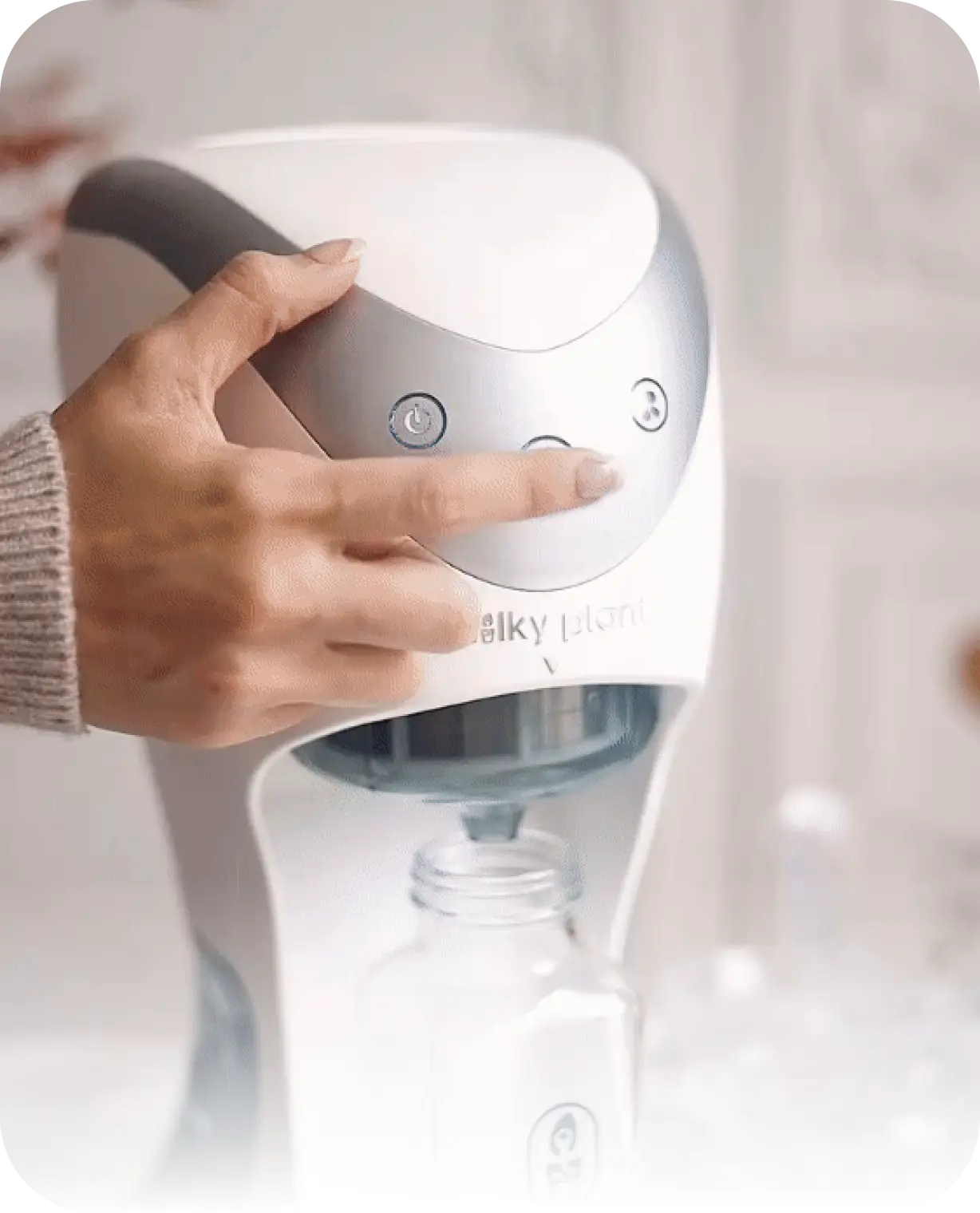
What makes The Watery different is not just that it uses advanced reverse osmosis — it also re-mineralizes the water with essential minerals like magnesium and calcium after purification.
This is important.
While reverse osmosis removes contaminants, it also removes naturally occurring minerals. By carefully reintroducing beneficial minerals:
- Water supports electrolyte balance
- Taste improves naturally
- Daily hydration becomes more enjoyable
Magnesium, in particular, plays a role in muscle function, nervous system regulation, and energy production, all areas highly relevant to women managing busy schedules, training routines, or hormonal shifts.
Hydration does differ between women and men, largely due to body size, composition, and hormonal influences rather than entirely different mechanisms.
The smartest hydration strategy is:
✔ Individual
✔ Flexible
✔ Quality-focused
✔ Science-aligned
Reverse osmosis filtration combined with mineral re-balancing makes The Watery one of the most advanced solutions for daily hydration support.
Because optimal hydration isn’t just about quantity.
It’s about purity, balance, and supporting your body, intelligently.