






DIY Almond Milk vs. Store-Bought: The Taste & Nutrition Test

Almond milk has become a staple in many households, whether for coffee, smoothies, or simply as a dairy-free alternative. But if you've ever compared store-bought almond milk to homemade, you may have noticed a difference in taste, texture, and nutrition. Today, we're putting DIY almond milk to the test against its store-bought counterpart to see which one comes out on top!

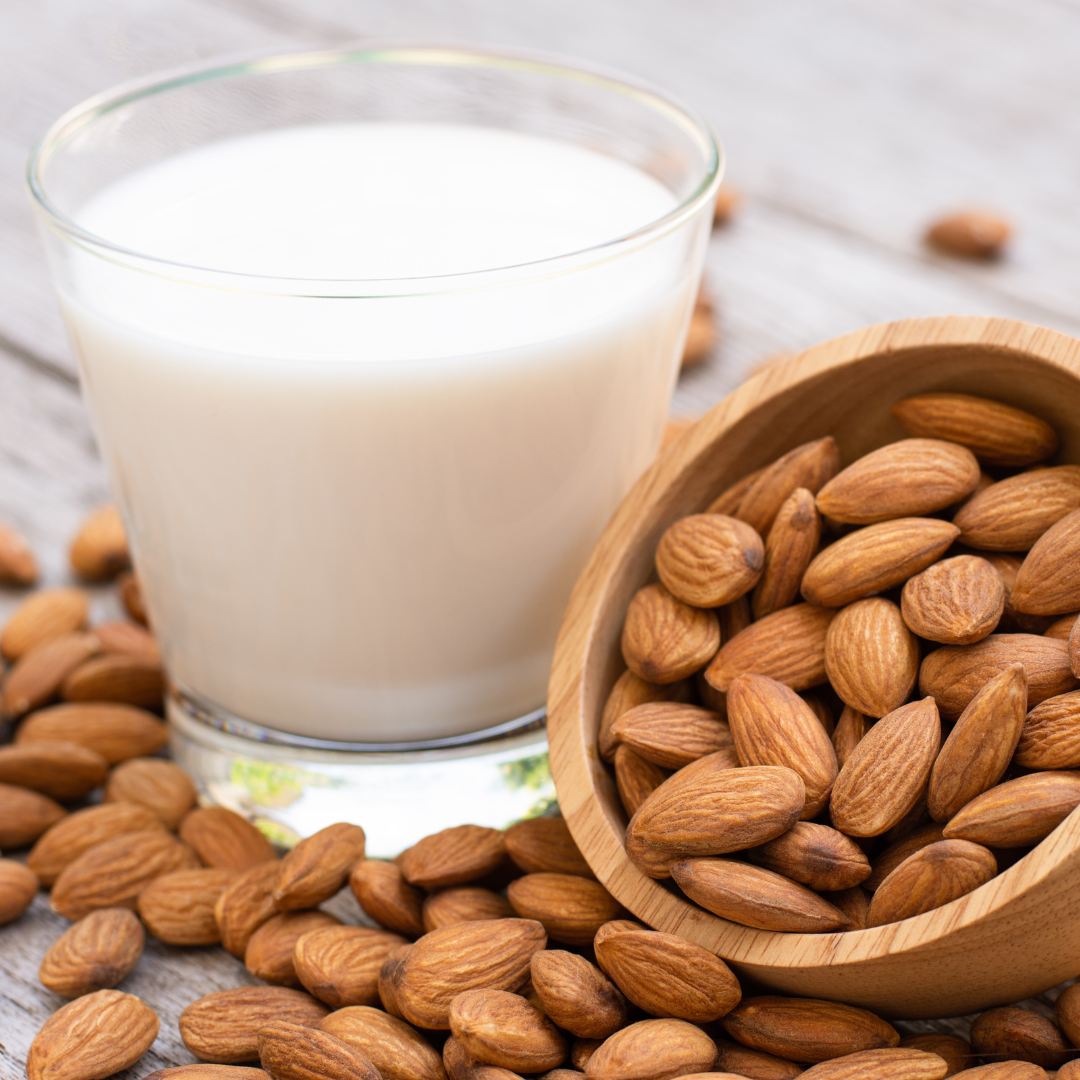
One of the first things you'll notice about homemade almond milk is its rich, creamy texture and nutty flavor. Unlike store-bought versions, which can be watered down or contain added stabilizers, DIY almond milk is made with just almonds and water—allowing the natural sweetness and depth of flavor to shine through.

Store-bought almond milk, on the other hand, often contains added gums and emulsifiers to maintain consistency and extend shelf life. While this can make it more convenient, it sometimes results in a thinner texture and a less pronounced almond taste. If you love a pure, fresh flavor, homemade almond milk is the clear winner.

Nutrition Breakdown: What’s Really Inside?

When it comes to nutrition, homemade almond milk is as clean as it gets. Since you're making it from scratch, you control the ingredients—no added sugars, preservatives, or artificial flavors. The result? A wholesome, nutrient-rich beverage.

Store-bought almond milk, however, varies significantly between brands. Many options contain added sugars, synthetic vitamins, and thickeners like carrageenan or guar gum. While fortified almond milk may provide extra calcium and vitamins, it often has fewer actual almonds per serving than homemade versions, leading to lower protein content.

Here's a quick comparison of one cup of DIY almond milk vs. store-bought almond milk:

Nutrient

DIY Almond Milk

Store-Bought Almond Milk

Calories

~40-60

30-90

Protein

1-2g

1g

Healthy Fats

3-5g

2.5-4g

Sugar

0g (unless sweetened)

0-12g (depending on brand)

Additives

None

Often contains gums, stabilizers, and preservatives


Environmental & Cost Considerations

Making almond milk at home is not only better for your health but also for the environment. Store-bought almond milk comes in cartons that contribute to waste, whereas homemade almond milk requires minimal packaging—especially if you buy almonds in bulk.

From a cost perspective, store-bought almond milk may seem cheaper upfront, but when you factor in the low almond content per carton, homemade almond milk gives you more value for your money. Plus, you can use the leftover almond pulp in recipes like smoothies, oatmeal, or baked goods, reducing waste even further.

Making Almond Milk at Home with Milky Plant

The process of making almond milk at home is easier than ever with the Milky Plant. Unlike traditional methods that require soaking, blending, and straining, the Milky Plant automates the process in just a few minutes. Simply add almonds and water, and let the machine do the rest—no mess, no hassle, just fresh, delicious almond milk every time!

The Verdict: DIY Almond Milk Wins!

While store-bought almond milk is convenient, it often comes at the cost of flavor, nutrition, and added ingredients. If you’re looking for the freshest, healthiest, and most delicious option, DIY almond milk—especially with the help of the Milky Plant—is the clear choice.

So why not give homemade almond milk a try? Once you taste the difference, you may never go back to store-bought again!


Back to blog
  • Filtered Water & Veganuary: How Clean Water Improves Nutrient Absorption

    Filtered Water & Veganuary: How Clean Water Imp...

    Veganuary is one of the most powerful resets for your health. More plants, more fiber, more antioxidants, all great things. But there’s one factor most people overlook when switching to...

    Filtered Water & Veganuary: How Clean Water Imp...

    Veganuary is one of the most powerful resets for your health. More plants, more fiber, more antioxidants, all great things. But there’s one factor most people overlook when switching to...

  • Why Water Is the Missing Nutrient in Most Veganuary Diets

    Why Water Is the Missing Nutrient in Most Vegan...

    Veganuary often focuses on what we eat, more plants, more fiber, fewer animal products. Yet one essential nutrient is consistently overlooked during plant-based transitions: water. From digestion to nutrient absorption...

    Why Water Is the Missing Nutrient in Most Vegan...

    Veganuary often focuses on what we eat, more plants, more fiber, fewer animal products. Yet one essential nutrient is consistently overlooked during plant-based transitions: water. From digestion to nutrient absorption...

  • Veganuary & Gut Health: How Fermentable Fibers Support Digestion

    Veganuary & Gut Health: How Fermentable Fibers ...

    Veganuary is the perfect time to explore plant-based eating, but for many people, the first weeks can come with digestive changes like bloating, gas, or discomfort. The good news? These...

    Veganuary & Gut Health: How Fermentable Fibers ...

    Veganuary is the perfect time to explore plant-based eating, but for many people, the first weeks can come with digestive changes like bloating, gas, or discomfort. The good news? These...

  • Veganuary Fatigue? Nutrients That Support Energy on a Plant-Based Diet

    Veganuary Fatigue? Nutrients That Support Energ...

    Starting Veganuary can feel exciting, new recipes, lighter meals, better habits. But for many people, the first weeks also bring something unexpected: fatigue. Low energy, brain fog, or sluggish workouts...

    Veganuary Fatigue? Nutrients That Support Energ...

    Starting Veganuary can feel exciting, new recipes, lighter meals, better habits. But for many people, the first weeks also bring something unexpected: fatigue. Low energy, brain fog, or sluggish workouts...

  • The Best Nuts & Seeds for Veganuary (And How to Turn Them Into Creamy Milk)

    The Best Nuts & Seeds for Veganuary

    Veganuary is the perfect time to explore plant-based nutrition, and few foods are as versatile, nourishing, and satisfying as nuts and seeds. Rich in healthy fats, plant protein, minerals, and...

    The Best Nuts & Seeds for Veganuary

    Veganuary is the perfect time to explore plant-based nutrition, and few foods are as versatile, nourishing, and satisfying as nuts and seeds. Rich in healthy fats, plant protein, minerals, and...

  • Plant-Based Nutrition for Beginners: What to Eat in Your First 30 Days

    Plant-Based Nutrition for Beginners: What to Ea...

    Research shows that dietary changes made consistently over 3–4 weeks help establish long-term habits. During your first 30 days, your body begins to: Adjust gut bacteria toward fiber-digesting species Improve...

    Plant-Based Nutrition for Beginners: What to Ea...

    Research shows that dietary changes made consistently over 3–4 weeks help establish long-term habits. During your first 30 days, your body begins to: Adjust gut bacteria toward fiber-digesting species Improve...