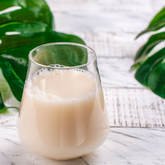






Despite the growing acceptance, numerous misconceptions surround plant milk. Let's unravel the truth and dispel some common myths associated with this nutritious dairy alternative.

Myth 1: Plant Milk Lacks Nutritional Value
One common misconception about plant milk is that it is nutritionally inferior to dairy. In reality, many plant milks, whether store-bought or homemade, can match or exceed the nutritional content of cow's milk. Homemade plant milk, in particular, offers unique advantages. When made at home, plant milk allows for precise control over its nutritional composition. For example, almond milk can be fortified with essential nutrients like calcium, vitamin D, and vitamin B12 according to individual preferences. This flexibility makes homemade plant milk an ideal choice for those with specific dietary needs.
Myth 2: Plant Milk Tastes Inferior
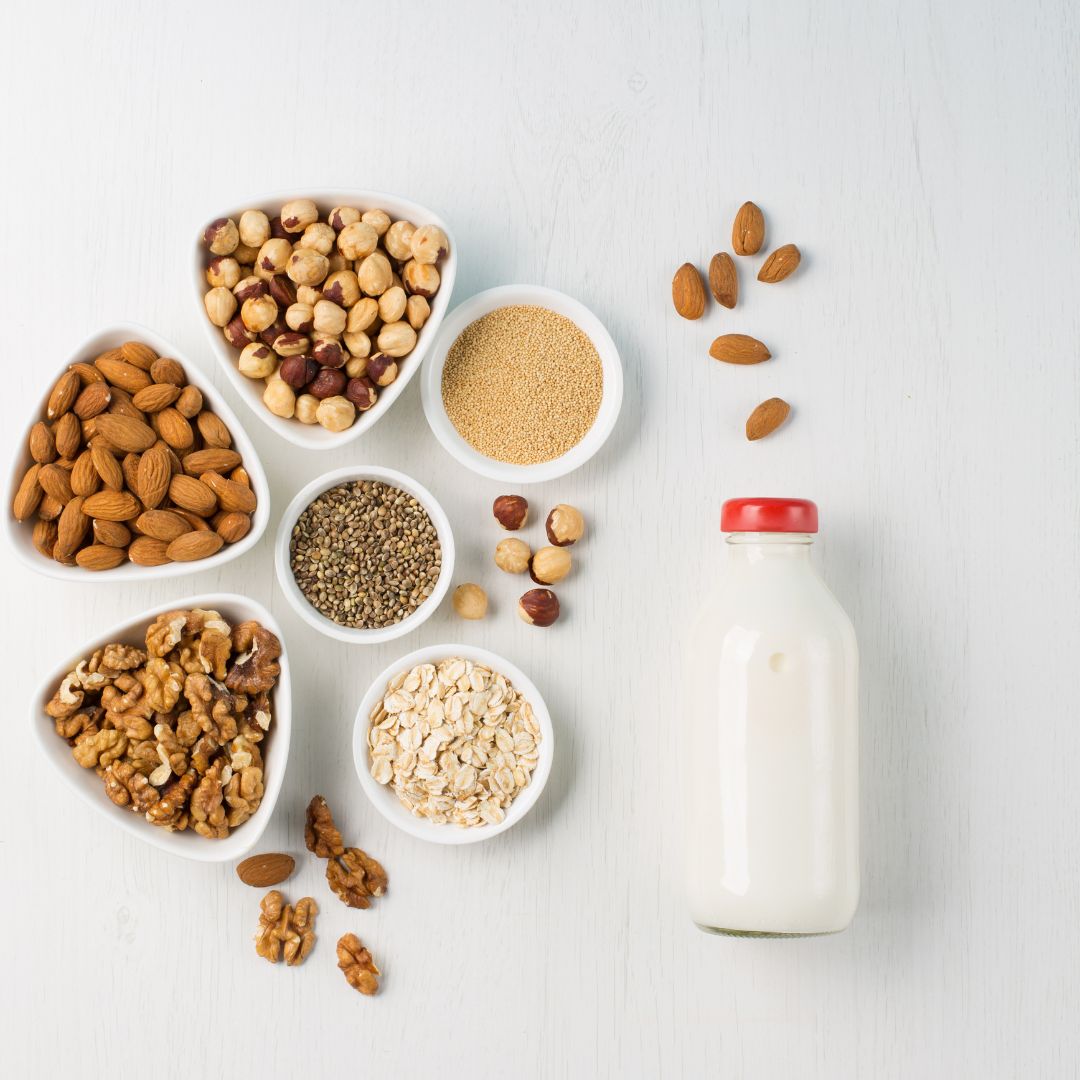
Another misconception about plant milk is that it lacks the creamy richness of traditional dairy. In reality, there's a diverse range of plant milks—almond, soy, oat, or coconut—each with its unique taste and texture. Many people find plant milk just as delicious, if not more so, than dairy. Making plant milk at home enhances this experience, allowing you to adjust sweetness and taste to your liking. Experimenting with different grains or nuts adds a creative touch, providing a personalized alternative to store-bought options. Whether you prefer the convenience of buying or the hands-on approach of homemade, plant milk offers a flavorful and versatile dairy alternative.
Myth 3: Plant Milk is Only for Vegans
While plant milk is a staple in vegan diets, it is not exclusively for those who follow a plant-based lifestyle. Many people choose plant milk due to lactose intolerance, dairy allergies, or simply as a personal preference. Plant milk is a versatile option that can be enjoyed by individuals with diverse dietary needs, making it an inclusive choice for everyone.
Myth 4: Plant Milk is Environmentally Unfriendly
One more misconception is that plant milk production is detrimental to the environment. In contrast, the environmental impact of plant milk is often lower than that of conventional dairy farming. Plant-based alternatives generally require less land, water, and emit fewer greenhouse gases. Choosing plant milk can be an eco-friendly decision that contributes to sustainability efforts and reduces the overall carbon footprint associated with food production.
Myth 5: Plant Milk is Expensive
Some individuals shy away from plant milk under the assumption that it is more expensive than traditional dairy. While certain specialty brands or organic options may come with a higher price tag, many plant milk varieties are competitively priced and often comparable to their dairy counterparts. Additionally, as the demand for plant milk continues to rise, the market is becoming more diverse, offering budget-friendly options for consumers.

A cost-saving option worth noting is making plant milk at home. By doing so, you not only have control over the ingredients and nutritional content but can also save on costs, making plant-based alternatives an affordable and accessible choice for a wider audience.
As plant-based diets gain traction, it's essential to dispel common misconceptions surrounding plant milk. This dairy alternative not only offers a delicious and nutritious option for those with dietary restrictions but also contributes to environmental sustainability. By understanding the facts and embracing the variety of plant milks available, individuals can make informed choices that align with their preferences and values. We suggest trying Milky Plant for a wholesome experience, crafting your plant milk at home, with full control over ingredients, saving you money and time.