





One of the most common questions vegans are asked is, "Where do you get your protein?" It's a valid concern, but the notion that vegans lack protein sources couldn't be further from the truth. In fact, a well-balanced vegan diet can provide all the protein your body needs for optimal health. This blog will explore various vegan protein sources, with a particular focus on one of the rising stars in the plant-based world: plant milk.
Understanding Vegan Protein Needs
Before delving into vegan protein sources, it's essential to understand protein requirements. The Recommended Dietary Allowance (RDA) for protein is around 0.8 grams of protein per kilogram of body weight for adults. However, many experts suggest that vegans may benefit from slightly higher protein intake to ensure they get a well-rounded amino acid profile.

Diverse Plant-Based Protein Sources
- Legumes: Legumes are a vegan's best friend when it comes to protein. Beans, lentils, and chickpeas are versatile and can be used in a variety of dishes, such as soups, stews, and salads.
- Tofu and Tempeh: Soy products like tofu and tempeh are rich in protein and incredibly versatile. You can use tofu to create scrambles, stir-fries, or desserts, and tempeh can be marinated and grilled for a meaty texture.
- Nuts and Seeds: Almonds, peanuts, and pumpkin seeds are high in protein. They make great snacks and can be incorporated into dishes, adding a satisfying crunch.
- Whole Grains: Grains like quinoa, farro, and bulgur offer not only carbohydrates but also a decent amount of protein, making them an essential part of a balanced vegan diet.
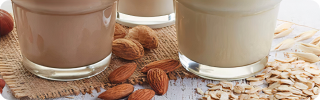
- Plant Milk: Plant milk, such as almond, soy, and oat milk, has gained popularity as a convenient and tasty source of protein. While it may not be as protein-rich as other sources on its own, it can contribute to your daily protein intake when used in various recipes or alongside protein-rich cereals and foods.
The Plant Milk Powerhouse
Plant milk, made from nuts, soy, grains, or seeds, is not just a creamy, dairy-free alternative but can also be an excellent source of protein. While it may not contain as much protein per serving as some other foods on this list, it's an easy way to increase your daily protein intake.
For example, almond milk provides approximately 1 gram of protein per cup, while soy milk contains around 7 grams of protein per cup, which is comparable to cow's milk. To boost your protein intake, you can use plant milk in smoothies, cereals, coffee, or tea. Additionally, many plant milk brands fortify their products with additional vitamins and minerals, further enhancing their nutritional value.

Balancing Your Vegan Diet
The key to a successful vegan diet is balance. To ensure you're meeting your protein needs, include a variety of protein sources in your meals. Mix legumes, tofu, nuts, seeds, and plant milk to create well-rounded, protein-rich dishes. Additionally, monitoring your protein intake and consulting a registered dietitian can help you make informed choices about your diet to meet your nutritional needs.
Getting an adequate amount of protein as a vegan is far from being a challenging task. The world of plant-based eating offers a vast array of protein sources, making it easy to enjoy a healthy, cruelty-free diet. Among these sources, plant milk stands out as a convenient and versatile option. Whether you're sipping it with your cereal, frothing it for your latte, or blending it into a smoothie, plant milk is a delicious and nutritious addition to your daily meals.
For those who prefer their plant milk homemade and free from additives or artificial ingredients, consider the Milky Plant machine. This nifty device allows you to craft your own plant milk with ease, providing you with a fresh and pure alternative that's as easy as pushing a button.
So, the next time someone asks, "Where do you get your protein?" you can confidently reply that there's a world of plant-powered options at your fingertips, including the delightful choice of homemade plant milk from the Milky Plant machine.