






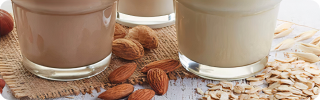


As the leaves turn golden and the temperatures drop, there’s nothing more comforting than a warm, creamy bowl of soup. Fall is the perfect season to enjoy rich, hearty soups packed with seasonal vegetables, and for those looking to skip dairy, fresh plant milk is a wonderful alternative that offers both creaminess and flavor. Let’s explore how you can transform your autumn soups into nourishing, plant-based delights with the help of Milky Plant!
Why Use Fresh Plant Milk in Soups?
Freshly made plant milk is not only healthier and more flavorful but also free from preservatives, artificial thickeners, and added sugars often found in store-bought versions. Making your own plant milk at home with the Milky Plant ensures you’re using only the finest ingredients, and you can customize your milk to suit different recipes.
For soups, the creamy texture and subtle flavor of homemade plant milk elevate the dish, adding richness without the need for dairy. Whether it’s almond, cashew, oat, or even hemp milk, each type brings its unique benefits, making it easy to achieve the perfect consistency and taste.
Benefits of Plant-Based Soups
Switching to plant-based soups this fall is not only kinder to the planet but also beneficial for your health. Plant-based soups are packed with fiber, vitamins, and minerals from vegetables and legumes, and using fresh plant milk provides added nutrients like protein, omega-3s, and calcium. Plus, plant-based options tend to be lower in calories and saturated fats compared to dairy-based alternatives.
Here are three easy and delicious soup recipes to try this fall, each featuring fresh plant milk for a creamy, dairy-free twist.
Creamy Pumpkin Soup with Cashew Milk
Pumpkin soup is a fall classic, and using cashew milk takes it to the next level with a velvety finish. Cashew milk has a natural creaminess that pairs beautifully with the earthy sweetness of pumpkin.
Ingredients:
- 4 cups roasted pumpkin puree
- 2 cups fresh cashew milk (made with the Milky Plant)
- 1 onion, diced
- 2 cloves garlic, minced
- 1 tsp ground cumin
- 1 tsp ground cinnamon
- Salt and pepper to taste
- Olive oil for sautéing
Instructions:
- In a large pot, heat olive oil and sauté onion and garlic until soft.
- Add the pumpkin puree, cumin, cinnamon, salt, and pepper. Stir well.
- Pour in the fresh cashew milk and simmer for 10 minutes.
- Blend the soup until smooth using an immersion blender.
- Serve with a drizzle of olive oil and toasted pumpkin seeds.
Butternut Squash Soup with Oat Milk
Oat milk adds a gentle sweetness and creamy texture to this butternut squash soup. It’s perfect for a cozy lunch or dinner on a cool autumn day.
Ingredients:
- 1 large butternut squash, peeled and cubed
- 1 apple, peeled and chopped
- 1 onion, diced
- 3 cups vegetable broth
- 1 ½ cups fresh oat milk (made with the Milky Plant)
- 1 tsp curry powder
- Salt and pepper to taste
- Coconut oil for sautéing
Instructions:
- In a pot, heat coconut oil and sauté the onion until soft.
- Add the butternut squash, apple, curry powder, salt, and pepper.
- Pour in the vegetable broth and bring to a boil. Reduce heat and simmer for 20 minutes until the squash is tender.
- Stir in the fresh oat milk and blend until creamy.
- Serve warm with a sprinkle of fresh herbs.
Creamy Mushroom Soup with Almond Milk
For a heartier option, this creamy mushroom soup made with almond milk offers rich flavors and a satisfying texture.
Ingredients:
- 4 cups mixed mushrooms, sliced
- 1 onion, diced
- 3 cloves garlic, minced
- 2 cups vegetable broth
- 1 ½ cups fresh almond milk (made with the Milky Plant)
- Fresh thyme
- Olive oil for sautéing
- Salt and pepper to taste
Instructions:
- Sauté the onion and garlic in olive oil until softened.
- Add the mushrooms, thyme, salt, and pepper, and cook until mushrooms are browned.
- Pour in the vegetable broth and bring to a simmer. Cook for 10 minutes.
- Stir in the almond milk and nutritional yeast (if using). Blend the soup slightly, leaving some texture.
- Garnish with fresh thyme and serve hot.
With Milky Plant, you have the freedom to experiment with various plant milk types and adjust flavors according to your preferences. Add spices like nutmeg, turmeric, or paprika directly into your plant milk for a warming touch before blending it into your soups. You can also try mixing different nuts or seeds for unique milk blends, such as cashew-almond or hemp-sunflower.
This fall, embrace the warmth and comfort of creamy, plant-based soups made with fresh plant milk. Whether it’s a cozy pumpkin soup, a sweet butternut squash bowl, or a savory mushroom delight, using fresh, homemade plant milk will take your soups to a new level of flavor and nutrition. With Milky Plant, creating dairy-free, nutritious soups is easier than ever—perfect for warming up during those crisp autumn days!