






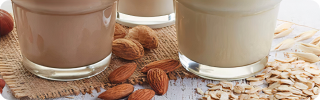


As more people embrace sustainable and healthy lifestyles, growing your own food has become a rewarding practice. One of the simplest yet impactful ways to utilize homegrown ingredients is by making fresh plant milk. Whether you're growing nuts, seeds, or grains, creating your own plant milk can reduce your carbon footprint and deliver rich, fresh flavors to your kitchen. Using the Milky Plant machine makes this process even easier, allowing you to craft homemade, nutrient-dense plant milk with ingredients right from your garden.
Growing your own ingredients for plant milk provides several advantages:
- Sustainability: Reducing reliance on store-bought products means less packaging waste and fewer transportation emissions.
- Freshness: You know exactly where your ingredients come from, ensuring they’re pesticide-free and harvested at peak ripeness.
- Cost-Efficiency: Once you've established a small garden, producing ingredients like seeds, nuts, or oats becomes much more affordable.
- Flavor Control: Homegrown ingredients let you experiment with a variety of plant-based milk flavors, personalizing them to your taste preferences.
Many common plant milk bases can easily be grown in a home garden. Here are some ideas for what you can cultivate to make fresh plant milk:
- Almonds: Almond milk is a popular, creamy option. Although growing almonds requires space and time, the payoff is a rich and nutty milk.
- Hazelnuts: Another nut option for plant milk, hazelnuts can grow in temperate climates and produce a sweet, subtle flavor.
- Walnuts: Known for their robust flavor, walnuts make a thicker, more earthy milk.
- Sunflower Seeds: Sunflower seeds are an excellent option for those seeking a light and nutritious plant milk. Sunflowers are relatively easy to grow and are ideal for creating a nut-free milk alternative.
- Pumpkin Seeds: If you're growing pumpkins, don't throw away the seeds! They’re packed with nutrients and create a delicious, green-tinted milk.
- Hemp Seeds: Hemp is easy to grow in many climates and produces a protein-rich, creamy milk perfect for smoothies and cereals.
- Oats: Oats are one of the simplest grains to grow at home. Oat milk is creamy, slightly sweet, and ideal for coffee or baking.
- Quinoa: A more unique option, quinoa produces a slightly nutty milk with an abundance of vitamins and minerals.
The Milky Plant machine makes it incredibly easy to transform your homegrown harvest into fresh plant milk. Here's how to use your garden-grown ingredients:
Harvest and Prepare: Depending on the type of nut, seed, or grain, some may need to be soaked overnight, while others (like sunflower seeds) can be used directly. Be sure to hull nuts and clean seeds thoroughly.
Add Ingredients: Place your homegrown ingredients in the Milky Plant machine's designated compartment. You can experiment with quantities depending on how thick or thin you like your milk.
Add Flavor: Fresh vanilla, cinnamon, or a pinch of sea salt from your herb garden can be added for extra flavor. You can even infuse the milk with fresh herbs like mint or basil for a unique twist.
Take your fresh plant milk to the next level by incorporating homegrown herbs and spices.
- Lavender: Infuse lavender for a calming, aromatic milk perfect for bedtime lattes.
- Mint: Add fresh mint leaves for a refreshing spin on classic almond or oat milk.
- Turmeric: Grow turmeric to make a vibrant and anti-inflammatory golden milk, a delicious drink for chilly evenings.
You can either add these ingredients directly into the Milky Plant machine or simmer the milk separately with the herbs and spices for an infused flavor.
By using homegrown ingredients, you're not only creating a nutrient-packed beverage but also contributing to a healthier planet. Here's why fresh, homemade plant milk is a game changer:
- No Additives or Preservatives: Store-bought plant milk often contains emulsifiers, stabilizers, and other additives. With fresh milk, you control every ingredient that goes into your body.
- Rich in Nutrients: Homegrown, freshly harvested ingredients retain more nutrients than store-bought options, giving you the maximum health benefits.
- Full of Flavor: Fresh plant milk has a depth of flavor that you can’t get from boxed alternatives, and you can tweak it to your personal preferences.
Making plant milk from homegrown ingredients is more than just a kitchen experiment—it’s a full-circle way of embracing sustainability, wellness, and creativity. The Milky Plant machine is the perfect companion for turning your garden’s bounty into delicious, wholesome plant milk.
This fall, take advantage of your garden’s harvest and create fresh, homemade plant milk right from your backyard. From almonds to oats, the possibilities are endless, and your body (and the planet) will thank you.