




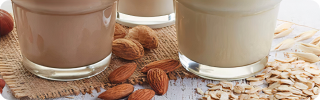


Calcium is one of the most essential minerals for human health. It is well-known for its role in building and maintaining strong bones and teeth, but calcium also supports nerve transmission, muscle function, and vascular health. Traditionally, dairy products have been the primary dietary source of calcium. However, for those following a plant-based diet, meeting calcium needs requires careful selection of non-dairy foods.
How Calcium Works in the Body
Calcium absorption is a complex physiological process. When you consume calcium, it must be absorbed through the intestines into the bloodstream. Vitamin D plays a critical role here, as it facilitates calcium transport across the gut lining. Once in the bloodstream, calcium is either utilized immediately for metabolic processes or stored in bones and teeth for long-term structural support.
Plant-Based Sources of Calcium
Plant foods contain calcium in forms that vary in bioavailability, meaning the body may absorb some forms better than others. Key plant-based calcium sources include:
- Leafy Greens: Kale, bok choy, and collard greens are high in calcium and low in oxalates, which can inhibit absorption.
- Legumes and Pulses: Beans, lentils, and chickpeas provide moderate amounts of calcium, along with protein and fiber.
- Nuts and Seeds: Almonds, sesame seeds, chia seeds, and tahini are calcium-rich, though the fat content can slightly reduce absorption.
- Fortified Foods: Plant-based milks and juices are often fortified with calcium, mimicking the levels found in cow’s milk.
- Seaweed and Algae: Certain types of seaweed, like wakame, contain high calcium content, though absorption may vary.
Factors Affecting Calcium Absorption
Several factors influence how efficiently the body absorbs plant-based calcium:
- Oxalates and Phytates: Found in spinach, rhubarb, and beans, these compounds can bind calcium and reduce its bioavailability.
- Vitamin D: Adequate vitamin D levels are essential for optimal calcium absorption.
- Balanced Intake: Excessive consumption of certain minerals, like magnesium or phosphorus, can compete with calcium absorption.
Maximizing Calcium Intake on a Plant-Based Diet
To ensure sufficient calcium intake from plant sources:
- Rotate among different calcium-rich foods to balance absorption inhibitors.
- Include vitamin D-rich foods or supplements to enhance absorption
- Use cooking methods like soaking, fermenting, or lightly steaming to reduce oxalates and phytates in plant foods.
For those seeking a convenient way to incorporate calcium into a plant-based diet, Milky Plant Plus can be a game-changer. MPP allows you to make fresh, nutrient-rich plant milks from almonds, oats, seeds, or legumes in minutes. These freshly made plant milks retain high levels of bioavailable calcium, especially when using calcium-rich ingredients. Additionally, making plant milk at home ensures no added preservatives and provides the flexibility to fortify with other nutrients, supporting overall bone and metabolic health.