






From Blossoms to Beverages: Flower-Infused Plant Milks to Try

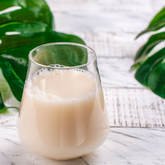
There’s something magical about sipping a warm, fragrant cup of floral-infused plant milk. From delicate rose petals to calming chamomile, flowers have long been cherished for their beauty, aroma, and wellness benefits. Now, with Milky Plant, you can bring these blossoms straight into your cup—naturally, simply, and with the perfect touch of elegance.

In this blog, we explore how to infuse your fresh plant milks with edible flowers, creating aromatic drinks that are both nourishing and visually stunning.

Why Flower-Infused Milks?

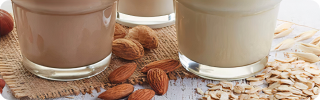
Edible flowers offer more than just aesthetic charm. Many contain antioxidants, calming properties, and subtle, soothing flavors. Combined with your favorite nuts, seeds, or grains, these blossoms elevate your homemade milk into a truly sensory experience.

Here are some gentle and flavorful combos to explore:

Rose Almond Milk – Romance in a Cup

Ingredients:

  • 40g almonds (soaked)
  • 1 tbsp dried food-grade rose petals
  • Optional: 1 date or a dash of vanilla

This dreamy combo is lightly sweet and ultra-soothing. Rose is known for its anti-inflammatory and stress-reducing properties. Enjoy it warm for a comforting evening treat.

Chamomile Oat Milk – Calm & Cozy

Ingredients:

  • 30g rolled oats
  • 1 tbsp dried chamomile flowers
  • ½ tsp maple syrup (optional)
  • Chamomile is the classic bedtime bloom. Paired with creamy oat milk, it’s the perfect nightcap. Use the hot function on your Milky Plant to make it extra cozy.

Lavender Cashew Milk – Relaxation in Every Sip

Ingredients: 

  • 40g cashews (soaked)
  • 1 tsp dried culinary lavender
  • 1 tsp agave or honey (vegan-friendly)

Lavender’s floral notes pair perfectly with the natural richness of cashews. It’s excellent for stress relief and makes a lovely addition to lattes or desserts.

Hibiscus Coconut Milk – Tangy & Tropical

Ingredients:

  • 30g shredded coconut
  • 1 tsp dried hibiscus petals
  • Optional: pinch of cinnamon or clove

This bright and zesty milk is bursting with antioxidants. Hibiscus brings a tart, berry-like flavor that complements creamy coconut beautifully—serve chilled for a refreshing twist.

Tips for the Perfect Floral Milk

  • Go Organic & Edible: Only use flowers labeled as food-grade. Avoid anything treated with pesticides.
  • Adjust to Taste: You can play with the flower-to-nut ratio depending on how fragrant you like your milk.
  • Strain Smart: With Milky Plant, the built-in filtration system ensures your milk is smooth, even with whole flower petals.
  • Warm It Up: Use the hot function for soothing, tea-like experiences—perfect for morning rituals or winding down.

With Milky Plant, you're not just making milk—you’re creating a wellness ritual. Flower-infused plant milks are a beautiful way to reconnect with nature, nourish your body, and enjoy a moment of calm.

From blossoms to beverages, your cup just got a whole lot lovelier.


Back to blog
  • Filtered Water & Veganuary: How Clean Water Improves Nutrient Absorption

    Filtered Water & Veganuary: How Clean Water Imp...

    Veganuary is one of the most powerful resets for your health. More plants, more fiber, more antioxidants, all great things. But there’s one factor most people overlook when switching to...

    Filtered Water & Veganuary: How Clean Water Imp...

    Veganuary is one of the most powerful resets for your health. More plants, more fiber, more antioxidants, all great things. But there’s one factor most people overlook when switching to...

  • Why Water Is the Missing Nutrient in Most Veganuary Diets

    Why Water Is the Missing Nutrient in Most Vegan...

    Veganuary often focuses on what we eat, more plants, more fiber, fewer animal products. Yet one essential nutrient is consistently overlooked during plant-based transitions: water. From digestion to nutrient absorption...

    Why Water Is the Missing Nutrient in Most Vegan...

    Veganuary often focuses on what we eat, more plants, more fiber, fewer animal products. Yet one essential nutrient is consistently overlooked during plant-based transitions: water. From digestion to nutrient absorption...

  • Veganuary & Gut Health: How Fermentable Fibers Support Digestion

    Veganuary & Gut Health: How Fermentable Fibers ...

    Veganuary is the perfect time to explore plant-based eating, but for many people, the first weeks can come with digestive changes like bloating, gas, or discomfort. The good news? These...

    Veganuary & Gut Health: How Fermentable Fibers ...

    Veganuary is the perfect time to explore plant-based eating, but for many people, the first weeks can come with digestive changes like bloating, gas, or discomfort. The good news? These...

  • Veganuary Fatigue? Nutrients That Support Energy on a Plant-Based Diet

    Veganuary Fatigue? Nutrients That Support Energ...

    Starting Veganuary can feel exciting, new recipes, lighter meals, better habits. But for many people, the first weeks also bring something unexpected: fatigue. Low energy, brain fog, or sluggish workouts...

    Veganuary Fatigue? Nutrients That Support Energ...

    Starting Veganuary can feel exciting, new recipes, lighter meals, better habits. But for many people, the first weeks also bring something unexpected: fatigue. Low energy, brain fog, or sluggish workouts...

  • The Best Nuts & Seeds for Veganuary (And How to Turn Them Into Creamy Milk)

    The Best Nuts & Seeds for Veganuary

    Veganuary is the perfect time to explore plant-based nutrition, and few foods are as versatile, nourishing, and satisfying as nuts and seeds. Rich in healthy fats, plant protein, minerals, and...

    The Best Nuts & Seeds for Veganuary

    Veganuary is the perfect time to explore plant-based nutrition, and few foods are as versatile, nourishing, and satisfying as nuts and seeds. Rich in healthy fats, plant protein, minerals, and...

  • Plant-Based Nutrition for Beginners: What to Eat in Your First 30 Days

    Plant-Based Nutrition for Beginners: What to Ea...

    Research shows that dietary changes made consistently over 3–4 weeks help establish long-term habits. During your first 30 days, your body begins to: Adjust gut bacteria toward fiber-digesting species Improve...

    Plant-Based Nutrition for Beginners: What to Ea...

    Research shows that dietary changes made consistently over 3–4 weeks help establish long-term habits. During your first 30 days, your body begins to: Adjust gut bacteria toward fiber-digesting species Improve...