


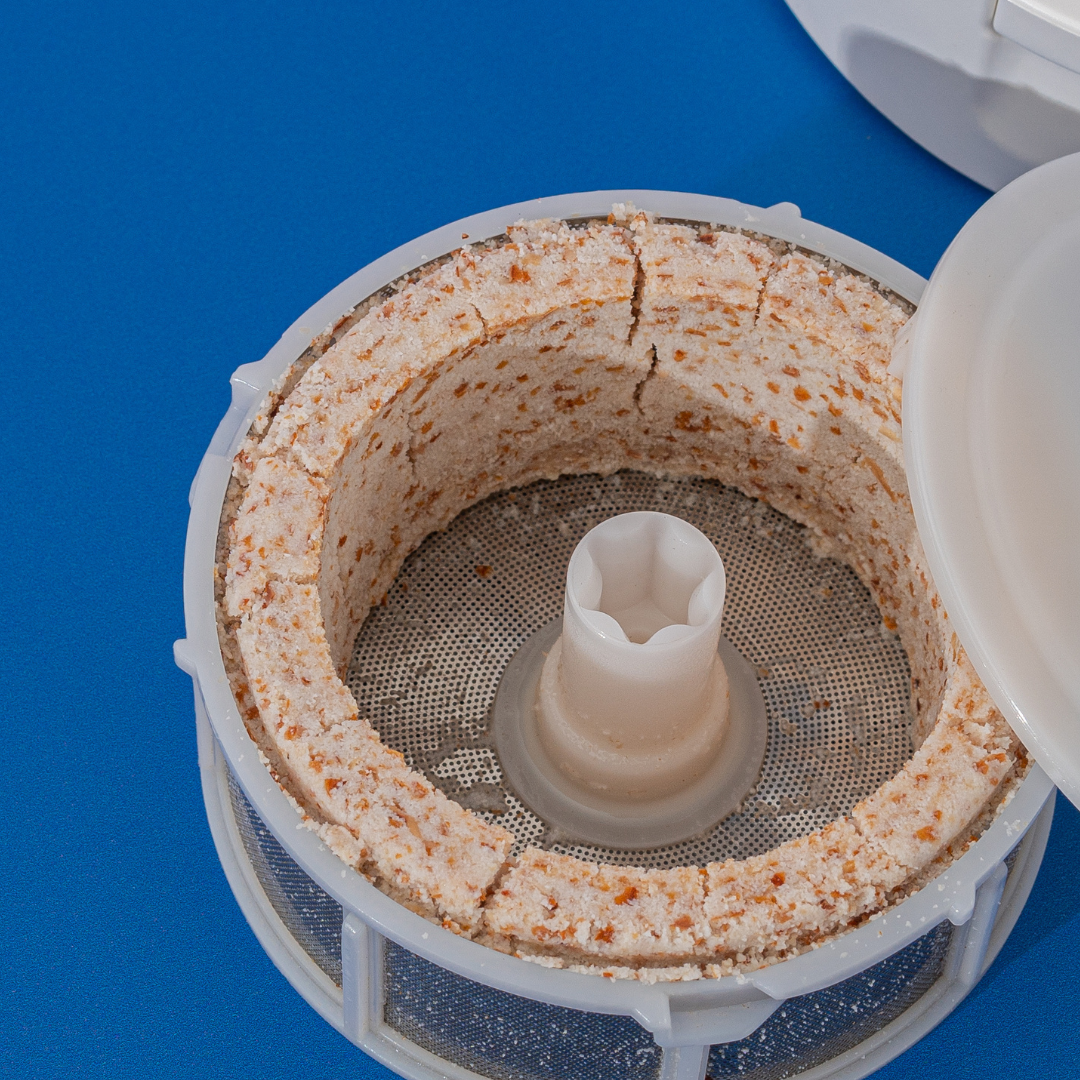
Making your own plant milk at home is not only a fun and rewarding process, but it also allows you to customize the ingredients and flavors to your liking. However, if you've ever made plant milk, you know that you're often left with a significant amount of pulp after straining the liquid. Instead of tossing this nutrient-rich byproduct, you can get creative and put it to good use! Here are some inventive and delicious ways to repurpose your plant milk pulp.
Add It to Baked Goods
Plant milk pulp can be a great addition to your baking recipes. It adds moisture, texture, and a subtle nutty flavor to a variety of baked goods. Here are some ideas:
- Cookies and Muffins: Incorporate the pulp into your favorite cookie or muffin recipes. It works especially well in recipes that call for oats or nuts.
- Bread: Add the pulp to your bread dough for extra fiber and nutrients. It's perfect for whole grain or nutty bread recipes.
- Cakes and Brownies: For a healthier twist, replace a portion of the flour or fat in your cake or brownie recipes with plant milk pulp.
Blend It into Smoothies
If you're a fan of smoothies, plant milk pulp is an excellent way to boost the fiber and nutrient content of your drinks. Simply blend the pulp with your favorite fruits, vegetables, and liquids. This works particularly well with nut pulps, which add a creamy texture to smoothies.
Make Plant-Based Cheese or Spread
Nut and seed pulps, such as those from almonds, cashews, or sunflower seeds, can be transformed into delicious plant-based cheeses or spreads. Mix the pulp with nutritional yeast, garlic, lemon juice, and herbs, and blend until smooth. You can adjust the seasonings to your taste and enjoy it as a dip, spread, or topping.
Create Energy Bites or Bars
Use your plant milk pulp as a base for homemade energy bites or bars. Combine the pulp with dates, nuts, seeds, and a natural sweetener like maple syrup or agave. Roll the mixture into balls or press it into a pan to create bars. They're perfect for a quick and nutritious snack on the go.
Enhance Your Breakfast Bowls
Add plant milk pulp to your oatmeal, yogurt, or smoothie bowls for extra texture and nutrients. It pairs well with fresh fruits, nuts, and seeds. You can also mix it into granola or muesli for a crunchy and satisfying breakfast option.
Thicken Soups and Sauces
The pulp from plant milk can act as a natural thickener for soups and sauces. Stir it into creamy soups, gravies, or pasta sauces to add body and richness. It works especially well in recipes where you want a subtle nutty flavor.
Use It as a Face or Body Scrub
Plant milk pulp isn't just for eating! You can use it as a gentle exfoliating scrub for your face or body. Simply mix the pulp with a bit of water, oil, or honey, and gently massage it onto your skin. The natural oils and fibers help to exfoliate and moisturize, leaving your skin feeling soft and refreshed.
Compost It
If you're not in the mood to use the pulp immediately, consider composting it. Plant milk pulp is rich in organic matter and nutrients, making it an excellent addition to your compost pile. It will help enrich the soil and support a healthy garden.
Repurposing plant milk pulp is a fantastic way to reduce waste and get creative in the kitchen. Whether you're baking, cooking, or crafting, there are countless ways to use this versatile byproduct. So next time you make plant milk, don't throw away the pulp—experiment with these ideas and discover your favorite way to enjoy it!
And if you're looking for a convenient and efficient way to make fresh plant milk at home, give the Milky Plant a try. This innovative device allows you to create delicious plant milk in minutes, without the need for straining. You'll have fresh milk and pulp ready to use, making it easier than ever to incorporate these creative ideas into your routine.