


Iron is an essential mineral that plays a central role in oxygen transport, energy production, and cognitive function. It forms a key component of hemoglobin, the protein in red blood cells responsible for carrying oxygen throughout the body. While iron deficiency remains one of the most common nutritional deficiencies worldwide, individuals following plant-based diets can meet their iron needs successfully with the right dietary strategies.
The key lies in understanding how plant-based iron is absorbed and how certain foods and preparation methods can significantly enhance its bioavailability.
Understanding Plant-Based Iron
Iron in food exists in two primary forms: heme iron and non-heme iron.
- Heme iron is found in animal products such as meat and fish and is generally absorbed efficiently by the body.
- Non-heme iron, which is found in plant foods, has a lower absorption rate and is more influenced by other dietary components.
Plant-based diets rely on non-heme iron sources such as:
- Legumes (lentils, chickpeas, beans)
- Tofu and tempeh
- Nuts and seeds
- Whole grains like quinoa and oats
- Dark leafy greens such as spinach and kale
- Dried fruits like apricots and raisins
Although non-heme iron is absorbed less efficiently than heme iron, research shows that well-planned plant-based diets can provide sufficient iron intake when supported by the right nutritional strategies.
Why Iron Absorption Matters
Iron absorption is influenced by several compounds naturally present in foods. Some substances enhance absorption, while others inhibit it. Because of this, the combination of foods within a meal can significantly influence how much iron the body ultimately absorbs.
For people following plant-based diets, focusing on iron absorption strategies can be just as important as consuming iron-rich foods themselves.
Pair Iron With Vitamin C
One of the most effective ways to increase non-heme iron absorption is by combining iron-rich foods with vitamin C. Vitamin C converts iron into a more absorbable form and can significantly enhance uptake.
Examples of effective pairings include:
- Lentils with bell peppers
- Spinach salad with lemon dressing
- Chickpea curry with tomatoes
- Oatmeal with berries
Scientific studies have shown that vitamin C can increase non-heme iron absorption by two to three times, making it one of the most powerful enhancers for plant-based iron intake.
Reduce Iron Inhibitors During Iron-Rich Meals
Certain compounds can reduce iron absorption when consumed in large quantities alongside iron-rich foods.
Common inhibitors include:
Phytates – found in whole grains and legumes
Polyphenols – present in coffee and tea
Calcium – found in dairy products and some supplements
This does not mean these foods should be avoided entirely. Instead, it is helpful to consume them at different times of the day. For example, drinking tea or coffee between meals rather than with meals can help improve iron uptake.
Use Traditional Preparation Methods
Traditional food preparation techniques can naturally enhance mineral absorption. Methods such as soaking, sprouting, and fermenting reduce phytates that bind minerals and limit their bioavailability.
Examples include:
- Soaking beans and lentils before cooking
- Sprouting grains and seeds
- Consuming fermented foods such as tempeh or sourdough
Research suggests these techniques can significantly improve the body's ability to absorb minerals like iron.
Build Balanced Iron-Supporting Meals
Creating balanced meals that combine iron sources, vitamin C, fiber, and healthy fats can further support nutrient absorption and overall metabolic health.
Examples of iron-supportive plant-based meals include:
- Quinoa bowls with roasted vegetables and lemon tahini
- Lentil soup with tomatoes and herbs
- Tofu stir-fry with broccoli and bell peppers
Balanced meals help maintain steady energy levels while supporting optimal nutrient intake.
Iron is a vital nutrient for energy production, oxygen transport, and overall health. While plant-based iron requires slightly more attention to dietary combinations, a thoughtful approach to meals can significantly improve absorption.
By pairing iron-rich foods with vitamin C, minimizing inhibitors during meals, and using traditional preparation methods such as soaking or fermenting, plant-based eaters can easily meet their iron needs.
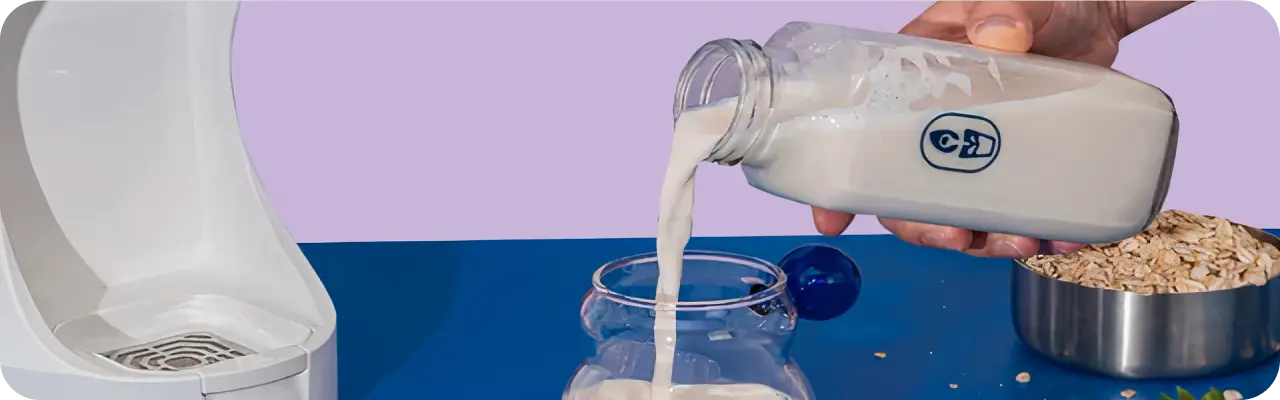
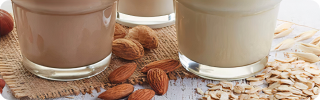
Simple daily habits can also help integrate iron-supportive foods into your routine. Preparing fresh plant milks, smoothies, or nutrient-rich blends with ingredients like nuts, seeds, oats, or dates can contribute to overall mineral intake. Tools such as Milky Plant Plus make it easy to prepare fresh plant-based drinks at home, allowing you to combine iron-rich ingredients with vitamin-C-rich fruits for better nutrient absorption and a more nourishing plant-based lifestyle.