



If you've noticed your skin feeling tight after a shower, or your hair looking dull no matter how many products you try, the culprit might not be your routine at all. It might be your water.
What Makes Water "Hard"
Hard water contains high levels of dissolved minerals, mainly calcium and magnesium, picked up as water travels through soil and rock before reaching your home. It's completely safe to drink, but those same minerals behave differently on skin and hair than they do in your glass.
When hard water meets soap, it doesn't rinse cleanly. Instead, the minerals react with soap to form a residue sometimes called soap scum, the same filmy layer you might notice on shower doors or faucets. That residue doesn't just stay on tile. It settles on skin and in hair too.
How Hard Water Affects Your Skin
Dermatologists have observed a few consistent patterns in people who wash regularly with hard water:
Dryness and irritation. Mineral residue left on the skin's surface can interfere with its natural barrier, making it harder for skin to retain moisture. This often shows up as tightness, flaking, or rough patches, especially in colder months when skin is already more vulnerable.
Clogged pores. The film left behind by hard water can mix with natural oils and trap dirt in pores, which may contribute to breakouts for people who are already acne-prone.
Worsened eczema symptoms. Several studies have looked at the link between water hardness and eczema, particularly in children, and found that hard water exposure is associated with a higher risk of flare-ups. Researchers believe the mineral deposits disrupt the skin barrier, allowing irritants to penetrate more easily.
How Hard Water Affects Your Hair
Hair tells a similar story. Mineral buildup coats each strand, which can lead to:
- Dullness. A mineral film on the hair shaft scatters light instead of reflecting it, so hair looks flat rather than glossy no matter how well it's conditioned.
- Dryness and frizz. Like skin, hair struggles to hold onto moisture when it's coated in residue, leading to a rougher, more frizz-prone texture.
- Weakened strands. Over time, mineral buildup can make hair more brittle and prone to breakage, particularly for color-treated or chemically processed hair, which is already more porous.
- Product buildup. Shampoo and conditioner don't rinse out as effectively in hard water, so residue accumulates faster, weighing hair down even when you're washing regularly.
Signs Your Water Might Be Hard
You don't need a lab test to spot the clues. Common signs include:
- Soap or shampoo that doesn't lather easily
- A filmy residue on shower doors, faucets, or tiles
- Spots on glassware after washing
- Skin that feels tight or itchy after bathing
- Hair that feels straw-like or looks dull despite good products
If several of these sound familiar, water hardness is worth looking into.
What You Can Do About It
You don't need to overhaul your entire home to reduce the impact of hard water on skin and hair. A few practical steps help:
Shorten hot showers. Hot water opens pores and can strip natural oils faster, compounding dryness caused by mineral residue.
Moisturize immediately after washing. Applying moisturizer or hair oil while skin and hair are still slightly damp helps lock in hydration before it evaporates.
Use a clarifying shampoo occasionally. This helps strip mineral buildup from hair every couple of weeks, though it shouldn't replace a regular gentle shampoo.
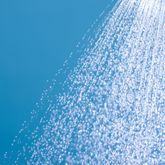
Consider filtering the water itself. Rather than treating the symptoms, a filtered showerhead reduces the mineral content and chlorine in water before it ever touches your skin or hair, addressing the root cause instead of compensating for it afterward.
Skin and hair struggles aren't always about which products you use. Sometimes the water itself is working against you. Paying attention to how your skin and hair feel after washing, and understanding what's actually in your water, is a simple first step toward figuring out what your routine really needs.